Despite many cats enjoying being independent creatures, according to the PDSA PAW Report,43% of cats in the UK now live in multi cat households. Whilst it’s understandable why so many of us give in to the temptation of introducing another feline friend into the home, it’s also important to be cautious of the potential onset of cat behavioural issues such as aggressive behaviour i.e. hissing, growling, or chasing as a result of doing so, and to consider if the dynamic of a multi cat household would work for you and your family. However, if you do decide to take the plunge, here are some tips on how you can try and keep the peace.
Plenty of Exercise
Providing your cats with plenty of exercise will help to keep them at a healthy weight and keep them stimulated. Both are important for all cat owners, even those who only have one cat. However, for cats who live amongst other cats, keeping active can aid with avoiding a potential build up of excess energy, which can sometimes manifest itself as aggression towards other cats in the household.
One way to help keep your cats exercised is through play, which will also help to strengthen the bond between you and your furry friend. A great way of exercising your pets is to invest in acat tree. Cats love climbing and scratching, so a cat tree is one sure way to encourage this and keep them entertained.
Use Pheromone Diffusers
Pheromone diffusers are an odourless plug-in product that works by producing pheromones, or chemical substances, that your cat naturally releases when they either rub against surfaces, scratch at items, bump heads with humans or other cats, or spray. Pheromone products mimic how pheromones would naturally send messages between cats, meaning that they can help in multi cat households to have your cats to feel more relaxed, and reduce their stress levels.
Multiple Litter Boxes
It’s important that your cats have their own litter box when they live with other cats. This is because of their territorial nature, which often means that cats like to ‘claim’ where they go to the bathroom and do not like this area to be shared. If cats feel as though their territory is under threat, this can lead to aggressive behaviour such as fighting.
Furthermore, most cats will refuse to use a dirty litter box, which will likely happen should you only provide a single litter box for several cats, as of course, their waste will accumulate more quickly than if your cats were to have their own. The general rule of thumb is that you should have one litter box per cat, plus one spare to have placed out in your home.
Separate Feeding Stations
Cats like to be alone when they’re eating, meaning that if you have multiple cats, they will require separate feeding stations at mealtimes. When cats are forced to share the same area for feeding time with another cat, it can take away from their predatory instinct to hunt and eat by themselves, which inevitably can induce anxiety and aggressive behaviour. In a multiple cat home, cats may see a shared feeding area as an opportunity to compete for food, which could result in you having a ‘food bully’ on your hands. As well as providing your cats with their own food bowls, give them each a designated space in the home to eat any from any other cats.
Furthermore, creating this divide will help your cats to stay healthy by having them fed equally, or in accordance to their own specific dietary needs, as it ensures one cat cannot access the other’s food. For example, factors such as the age, weight, or medical condition of your cat/s may mean that they have to be fed different diets. Therefore, it’s fundamental that you leave each cat’s bowl out of reach from any potential cat food thieves!
Personal Space
By nature, many cats need their own personal space, even when they’re not eating. It’s a good idea to have an area in the home that they can go to escape to by themselves, away from both humans and other animals. If you have the room, it’s advisable that each of your pets have at least one of their own private areas in the home that they can go to without being disturbed and becoming overwhelmed. This may even be a cardboard box if you’re limited for space, but be sure this is away from the hustle and bustle of the home or outside.
Introducing a new cat can be a difficult time for you and your already existing pet, but fortunately, it’s not impossible to make multi cat households work. So after a bit of advice, hopefully the transition period will be a lot easier. However, should you notice any signs of aggression between your cats, it’s important to seek help from a veterinarian before these issues get out of control.
As the days get shorter, you might find that your chickens are not laying as much as they normally do. Egg production is partly regulated by daylight hours, and the more light the chickens see, the more eggs they will lay. Other factors that can affect the production are moulting, broodiness and your hens getting older.
But if you find that you’re collecting significantly less eggs than you did six months or a year ago, there might be some things you can do to encourage your hens to start laying again and get the most eggs possible from your flock. Have a look at our tips below!
1. Choose the right breeds
If eggs are the number one reason you keep chickens, you should make sure you pick hens for your flock that through generations have been bred to lay. Bantams or more decorative breeds like Polish and Silkies generally lay relatively few eggs, as do the larger breeds that were developed for meat.
The ideal egg layer is also hesitant to sit on her eggs, and rarely go broody. Some examples of breeds that lay many eggs are Australorp, Sussex, Rhode Island Red and Leghorns.
2. Give your hens a good quality feed
It’s always important to give your chickens the best possible quality feed you can, but extra important if you want them to produce eggs. A good feed should have a good amount of protein (16-20% depending on the age of your chickens) as well as important vitamins and minerals.
If you feed your chickens treats, they should be kept to a minimum, and be low in fat. Fat or obese chickens will not lay, so make sure they fill up ongood feed, a handful of corn, and maybe some delicious worms from the garden. That should keep your hens happy and healthy, and hopefully laying regularly.
3. Minimise stress
Chickens that experience stress on a daily basis will put all their energy into being constantly on their toes, and will produce no or very few eggs.
Make sure your birds feel safe in their chicken coop and where they are free ranging. A predator resistant coop and run, like the Eglus, will allow your chickens to roost away from any danger. Try to keep cats and dogs away from the area where your chickens are roaming, and let the hens come to you rather than chasing them around the garden.
Generally, hens will also feel most comfortable when you have a clear routine. Let them out of the coop around the same time every day (made super easy with an automatic chicken coop door), feed them the same feed at the same place, and put them to bed when they’ve all returned to the coop.
Sometimes it’s impossible to avoid a certain amount of stress, for example if you’re moving the hens to a new place or are introducing new chickens to your flock. The chickens should return to their normal laying pattern once things have calmed down, but you could experience a few weeks of disturbed laying.
4. Give them plenty of calcium
Chickens need calcium to create strong egg shells. A good feed will contain a fair amount, but you should also provide your laying hens with an additional source, most commonly oyster shell or crushed, baked egg shells.
5. Provide fresh water
A chicken can drink up to a pint of water a day (!), so it’s important to give your flock plenty of fresh, clean water. Chickens will happily drink from muddy puddles and other water sources, but as standing water can contain bacteria and parasites it’s always best to make sure they have plenty of clean water to drink from their drinker.
This is especially important in the warmer months, as a dehydrated chicken will not lay, but also make sure the water doesn’t freeze in winter.
6. Keep parasites at bay
Mites are the number one culprit when it comes to a decreased egg production. They suck blood from the chickens’ legs at night, resulting in the hens being anemic and too tired to lay. Fleas and lice can really annoy chickens and make them stressed, and internal parasites like worms will lower your hens’ immune system and possibly make them very ill.
Get into the habit of checking your chickens over every, or every other, week by picking them up and going through their face, feet and feathers. That way you will be able to spot a potential problem early, and hopefully treat it before it affects your pets and their egg production. You can read more about giving your chickens a health check here.
7. Keep the chicken coop clean
Just like you and I, chickens don’t like sleeping, eating and socialising in mess and dirt. Their idea of cleanliness might look slightly different from ours, but if you want your chickens to be happy and healthy and lay plenty of eggs, you must make sure the coop and the run are tidy and free from poo and dirt.
With a chicken coop like the Eglu Cube, making sure the hens’ home is clean is super easy. Thanks to the wipe down surfaces and the handy pull out dropping tray, it will only take minutes to clean the coop.
Fill the nest boxes with plenty of soft bedding so your hens have somewhere comfortable to lay.
8. Provide more space
Lack of space can lead to a lot of stress for chickens. While roosting they prefer sitting close together in the coop, but during the day it’s important that they have a good amount of space to move around on.
If you chickens aren’t laying, maybe consider giving them a slightly larger run or area to free range on. Or if you have introduced new hens to your flock, it might be time to buy a second coop to house one half of the group.
Chickens, like most animals, have a defined number of eggs in their bodies, and once they have used up their reserves, nothing you do will make them produce more delicious eggs. If you have rescued ex battery hens for example, the rate of egg laying might slow down quite quickly, despite the hens still being young, as they have lived in an environment where they were manipulated to lay as much as possible, as quickly as possible.
It’s also good to remember that chickens are not machines, and their bodies will sometimes just need a rest. This doesn’t mean they will never lay again, so don’t give up on them! After all, as well as eggs, our chickens provide us with plenty of entertainment and companionship, and they deserve to be properly cared for however many eggs they produce.
Estimates of the world’s domestic rabbit population vary wildly between 15 million and over 700 million. People have kept rabbits for hundreds of years, and traditionally they were farmed as a plentiful resource – after all, they do breed like rabbits! The larger population estimate includes all the rabbits that are still kept for meat and fur.
With this many rabbit owners around the world, and with the bunny’s rather inscrutable facial expression, it comes as no surprise that the question “is my rabbit happy?” has been asked more than a few times by anxious rabbit keepers.
There are several ways of telling whether your furry friend is content and happy, most of them centring on body language.
Happy bunny body language
Body language is the key way of telling how your rabbit is feeling. Simply by spending time with your bunny, you will learn some of the basic messages that tell you if they are happy and relaxed, or stressed.
These are some of the signs of a rabbit’s mood.
Twitching nose. Rabbits are constantly twitching their noses. Not only does this help them sniff the air around them, it also eases their breathing, regulates their body temperature and helps them relax. A contented rabbit will do a lot more nose-twitching than a stressed rabbit, so if you notice that your rabbit hasn’t twitched its nose in a while, there may be something distressing it.
Chilling out. Another easy-to-spot sign of a happy rabbit is an overall relaxed body. Chilled bunnies will lie quietly, ears erect (unless their flop-eared bunnies), sometimes with their legs stretched out, noses twitching contentedly.
Crouching. Like us, when a rabbit is stressed, its muscles become tense as its fight-or-flight instincts activate and its body floods with adrenaline. If the bunny is in a crouching position, ears flat, pupils dilated, it is anxious, stressed or afraid. The cause could be another pet, a scary noise, or even a whiff of something unfamiliar in the air. This behaviour is common in rabbits who have not been hand-tamed from a young age. Conversely, if your rabbit is chilled out, lounging in the hay and not tensed up in any way, you can be sure that they are content.
Hopping. When most people picture a rabbit, they imagine a cute creature hopping around. Rabbits have evolved to be great jumpers, with very strong back legs to help propel them at high speeds. Hopping not only acts as a great escape mechanism, it also assists rabbits in their play. Bunnies like to hop around when they are feeling happy and mischievous. Your rabbits may perform the occasional playful leap in their enclosures, jumping in the air, twisting their bodies a little and then landing again, alert and playful. A rabbit showing this type of behaviour is very happy with life. A bunny who is gently hopping around and exploring the world around them is also feeling playful and happy.
Running. A rabbit who darts for cover, usually stamping its back legs on the ground first, is not a happy bunny. Something has startled your poor pet, and the best thing to do is let it recover its composure and confidence in a safe area – usually a quiet corner of the hutch. A quick run to another spot, with ears flat, can also be a sign of anger.
Curiosity. Rabbits are naturally nervous and will only let their curiosity take the lead when they feel safe. In the wild, rabbits are at the bottom of the food chain, a source of food for many predators. Because of this, rabbits are naturally jumpy (pun intended) and on edge. Domestic rabbits are calmer than their wild relatives but still retain their natural wariness.
Angry bunny body language
These physical clues tell you that your bunny isn’t chilled or afraid – it’s hopping mad!
Sitting, front legs raised. If your rabbit sits up, front paws raised and flicking in and out as if trying to punch something, it means the bunny is angry – no matter how cute the behaviour might look! The ears will be erect (although not in flop-eared bunnies) and facing outwards like radars. The posture may be accompanied by a growling sound.
Crouching and thumping. If your rabbit is tensed up and thumps its back legs on the ground but doesn’t bolt for cover, it’s angry. The tail will be raised and, in stiff-eared breeds, the ears will be erect. Everything about the bunny will look tensed up, and the pupils will be dilated.
Crouching with bared teeth. If your bunny is crouched with its front legs stretched in front of it and its head up, teeth bared, it’s angry and ready for a fight. The body will be tense, even quivering, and the mouth will be open, the tail raised, pupils dilated and ears folded back.
How to make rabbits happy
There are various reasons why a pet bunny might be unhappy or stressed. The commonest cause is poor environment. They need sufficient space in their hutch and run, and they don’t want to be harassed by nosy dogs, cats or loud parties. The rabbits will also need the company and stimulation that enables them to fulfill their natural instincts. Remember – rabbits are social animals and love having other bunnies to play with.
Giving your rabbits regular health check-ups and ensuring they are up to date with their vaccinations is also essential. A healthy diet will go a long way towards ensuring a happy bunny. A high-quality pellet mix and a lot of hay form the basis of healthy diets, with fresh veg as treats.
To summarise, if your rabbit is relaxed around you or shows signs of curiosity rather than fear when introduced to something or someone new, they are almost certainly happy and relaxed.
A chilled-out rabbit is a mixture of nature and nurture. They are naturally skittish animals, but if handled by their owners at an early age, they will come to treat you as part of their safe environment, and their happiness will be obvious in the fact that they love spending time with you.
Unless you know exactly when your hens were born, it is difficult to determine their exact age. We can’t simply ask them how old they are, so we have to make educated guesses based on their looks and behaviour.
Like most animals, a chicken’s looks and behaviour gradually change as they age. It is the visible evidence of these life stages that helps us determine a hen’s age. Young birds are the easiest ones to identify, as chicks do not have a complete set of adult feathers, beginning life with the short-lived fluffy yellow coating called down. They wear this attractive yellow coat for the first week or so of their lives.
After the first couple of weeks, chicks gradually moult their down and small feathers begin to grow to replace it. A baby chicken can be considered a chick until it sheds all its down, which usually takes around 12 weeks.
So, if a chicken still has some down, chances are it is 12 weeks old or less, although some breeds may take a while longer to shed all their baby fluff. But, generally, the more down, the younger the bird.
From chick to pullet
Once a chick has moulted and lost its down, it enters the transitional period between chick-hood and adulthood, the chicken equivalent of teenage years. Hens over the age of 12 weeks are in this phase, and are known as pullets. This period of their lives usually lasts until 20 weeks old, though it can be longer. The name ‘pullet’, though, is generally used for any hen under one year.
Pullets are considered adults when they lay their first eggs, which occurs somewhere between 18 and 25 weeks. Male chickens – cockerels, or roosters – reach adulthood when they start to crow and show an interest in the hens, usually by chasing them. This occurs at around five months old, although some breeds are later developers.
At this point in a chicken’s life, when it has finally become an adult bird, it is hard to pinpoint exactly how old they are. If your hens are not laying eggs yet but have all their adult plumage, they are most likely somewhere between 12 and 20 weeks old. Young hens of this age will tend to have smaller combs than fully adult birds.
From pullet to adult hen
If you are keeping multiple hens, it can be hard to tell if an individual bird has started laying or not. Pullets will have small, dry and pale vents in comparison to hens, and this can be used as a way of telling whether or not they are laying.
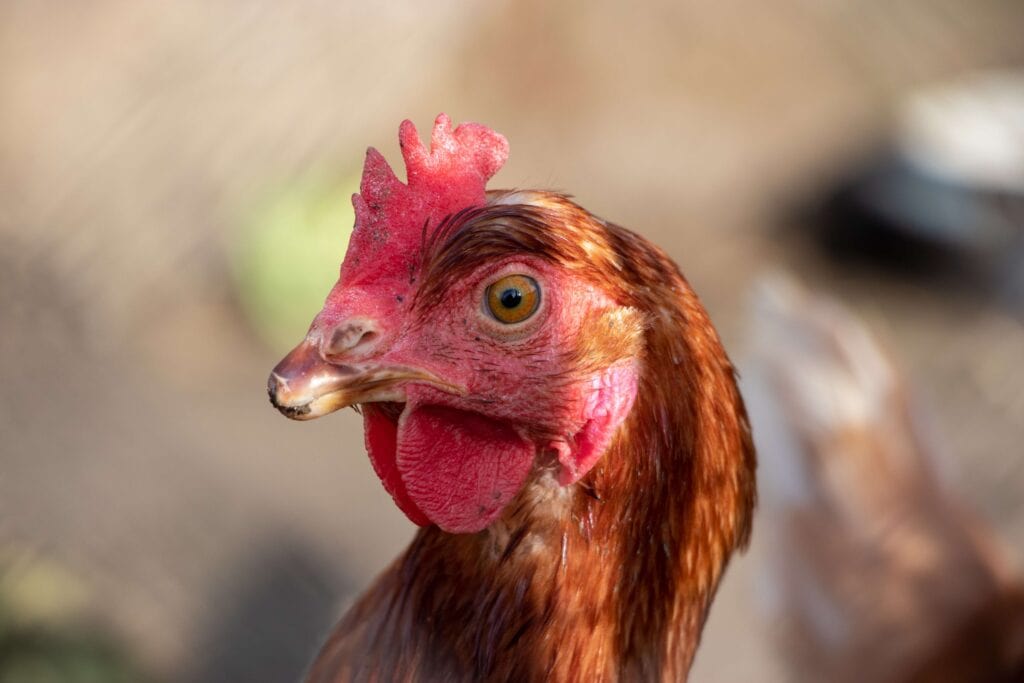
During this post-20 week period, both the pullets’ and cockerels’ combs and wattles will gradually become brighter and more pronounced. Birds with less vibrant combs and wattles are most likely to be aged around 12-15 weeks. It is during this prime egg-laying stage of a chicken’s life that their combs and wattles will be at their most vibrant – as a hen ages, it slowly loses the red colour.
Hens increase their body mass as they mature, and most have reached maximum plumes at nine months old.
Signs of an adult chicken
Once your pullet has laid its first egg, and your cockerel has started crowing and harassing the hens, they have reached adulthood. Despite the fact that they are considered adults at this point in their lives, they are still growing (albeit slower) and will reach their final size and weight at around one year.
At this age, hens will usually be laying one egg per day, and the cocks will spend a lot of time chasing the hens. At the age of 18 to 20 weeks, the chickens will have their first feather moult.
Guessing the age of a fully grown chicken that has had its first moult is more challenging. However, there are some features that help us determine their age with reasonable accuracy.
A young cock will have short spurs, a little under 1cm in length. By the time your rooster is two years old, their spurs will have grown and may reach lengths of 2.5cm-3cm.
Hens that lay an average of five to six eggs per week are probably in the first two years of their life
For the first two years of their adult life, both hens and cocks will be in their prime. This manifests in vibrant feather colours, smoother legs than older birds and colourful combs and wattles.
Older hens and roosters
At around the second year of their lives, chickens will enter the second half of their adult lives. It is usual at this time for hens to stop laying daily, and cockerels will start showing less interest in the hens.
During this time, a chicken’s legs will start to get rougher and more scaly, and their combs, wattles and feathers will become less vibrant.
However, although past their prime, at this point in their lives, a chicken will still have around between two and five years left in them, depending on the breed. As they get older, hens will only lay occasionally, and the eggs may be larger than the ones they laid as young birds. However, some breeds continue laying into their fourth year, and some can live up to 10 years or more.
It’s frustrating when a hen decides to ignore the comfy nesting boxes and lay eggs on the floor of the coop or run instead. Chickens love routine, and once they get into the habit of laying eggs on the ground, it can be hard to change their routine.
The main disadvantage to laying an egg on the ground is that it can be damaged. It can also be pecked, as chickens tend to peck at anything they find. If hens acquire the taste for fresh eggs, they tend to peck at every egg they can find, which is disastrous.
Luckily, there are a few ways of persuading a hen that nesting boxes are the best place to lay eggs.
1. Make sure you have enough nest boxes
You will need space for all the hens to lay, which generally means one box for every four hens. Note: if there are too many nest boxes, some of them will be ‘vacant’, and one of the hens might decide to move in permanently, using it as her sleeping box, and it will soon become fouled with droppings.
2. Make the nest boxes clean and comfy
The nest box should have lots of soft bedding, changed regularly to make sure it remains unsoiled and free of red mites. You also need to collect the eggs regularly, as a hen faced with a pile of eggs might not want to sit there and lay one of her own. A nesting box with just one egg or none is more appealing to a hen.
3. Provide enough roosting bar space
This might not seem linked to nest boxes and eggs, but it’s actually vital to the process. Chickens need space to perch when roosting. If there isn’t enough of it, some hens will be forced to look for space elsewhere, and that means they’ll occupy a nesting box. Being stubborn creatures of habit, once they’re installed, it will be hard to evict them.
4. Tempt the hens in with an egg
Young hens might not know instinctively where to lay their eggs. If you place a ceramic or rubber egg in the nesting box, it will give them a visual clue, and once they’ve laid their first egg or two in the nest box, the habit will be ingrained.
5. Keep hens in the coop first thing in the morning
Most hens lay their eggs early in the morning, so confining them to the coop until the sun has been up for a bit will prevent them from wandering away and laying eggs in inappropriate places.
6. Make it harder for the hen to lay in the wrong place
As creatures of habit, hens tend to lay in the same ‘wrong’ spot each time. If this is on the ground, you can put a rock there, or some sticks or plastic bottles.
7. Move the hen before she lays
You will start to notice when a hen is ready to lay on the ground. She will stop her usual foraging and clucking and snuggle down. Move her to the nesting box when she does this, and she will soon – in theory – get the message and go to the box when she needs to lay.
8. Stop hens from sleeping in the nesting boxes
A hen who sleeps in a nest box will mess it up overnight and not want to lay her eggs in the same place. Shoo any hens from the boxes in the evening as they are settling down to discourage the nest-sleeping habit. If the problem is more to do with the roosting bars being hard to access, address that issue instead.
9. Make sure the hens feel safe in the box
If the nesting box is too close to the ground, or if bright light leaks in, or if noisy pets or children play next to it at the crucial laying time, hens will be discouraged from laying eggs there. Make the habitat as hen-friendly as possible. Raising the boxes a few inches from the ground is a good start (but not so high that young birds can’t access the box).
10. Make sure your hens can easily access the nesting box
This may sound obvious, but it is sometimes overlooked. A poorly designed coop might make it difficult for hens to access the boxes and lay eggs in the nest, in which case they will take the path of least resistance and lay elsewhere. The nest boxes may be too low or too high, making it difficult for smaller chickens to access, or the roosting bars might block easy access to the boxes.
You can bypass all these issues by installing your hens in a well-designed coop such as the Eglu. All hens prefer to lay in a quiet, dark, comfy spot, so a nesting box will nearly always be their first choice. It’s a simple case of ensuring they have the space and easy access to a clean, appealing egg-laying space.
Getting a new puppy is such an exciting time for everyone involved (even if it means a manic few months ahead of you!). A cross between a poodle and cocker spaniel, cockapoos have soared in popularity over the past few years, with their hypoallergenic coat and undeniably cute looks both playing a huge part in this! With such a loving and fun temperament, it’s hardly surprising that they have become a new firm family favourite. So, now you’ve decided that a cockapoo is the right puppy for you, where exactly do you start? Writing a puppy checklist is a good idea to get prepared before you bring your pet pooch into their new home.
Essentials for Before They’re Home
The first few days with your new puppy might be tough, as they adapt to your life and you become familiar with your four legged friend. Every dog is different but there are some essentials that we recommend for your cockapoo before even bringing them home that will make for a much easier start.
Food and Water (Including Bowls)
Puppies, of course, need a fresh supply of food and water (along with appropriate sized bowls for each). A reliable cockapoo breeder will tell you know what food your cockapoo puppy has been on before they come home, to make for a less stressful transition. Be sure to also purchase treats for your new furry friend. They’re a fantastic way to start the training process and will keep your puppy motivated.
Collar and Lead
When you pick your puppy up, they’ll probably have had a collar on to differentiate them from their litter-mates. However, you’ll want to purchase your own, even before they are able to go for their first walk. This will help to train them to get used to the feeling of a lead and collar. For size reference, cockapoos are generally medium sized dogs but this can range depending on what type of poodle they are mixed with. The general rule of thumb is that you should be able to fit two fingers under your cockapoo’s collar. Alternatively, you may wish to opt for a harness. Whichever you decide for your new cockapoo pup, make sure they are fitted with an ID tag, which states your name, first line of your address, post-code, contact number, and a message that indicates that your dog has been microchipped i.e. “I’m microchipped”.
A Crate and Bedding
When you bring your puppy home you should introduce them to a crate. A crate should never be used as a cage or to punish your dog, but should work as a den for your new cockapoo. TheOmlet Fido Studio Dog Crate allows your dog to have their own private and safe place in the house, whilst the modern design will compliment your home. Happy owner and happy pup!
Puppies need sleep, and a lot of it! So comfortable bedding for your cockapoo puppy is essential. YourFido Studio Crate can also be very easily fitted with a wide range of dogbeds. The easy clean Bolster Dog Bed is perfect for puppies, it’s a breeze to throw the cover in the washing machine when it’s time for a freshen up!
Cockapoos are remarkably intelligent and many puppies take to toilet training within the first few weeks. For when your pup arrives home it really is a personal preference as to whether you’d like to use puppy pads for toilet training or not.Puppy pads are massively convenient, especially to those with limited outdoor space. However, if getting up in the middle of the night to take your puppy for a wee isn’t a problem for you then you may wish to avoid this product as your pup may find it difficult or confusing to transition between the pads and outdoor peeing.
Toys
Pups love to play and cockapoos are no different here. Known for their outgoing, playful personalities, you’ll need to be stocked up with plenty of puppy toys to keep their minds occupied. Toys are also great for when you have to start leaving your puppy alone. Do make sure however, that any toys you leave with them are safe, age appropriate, and cannot be consumed! Puppies also love to chew, especially as they get into the teething stage. Be sure to explore different styles ofdog toys to see how you can keep your cockapoo entertained and help with their chewing.
Grooming Kit
Although it’s wise to take your cockapoo to a professional groomer now and again, it’s also important to upkeep their grooming at home too. Purchasing a brush, comb, dog shampoo, and nail clippers is a great place to start. However, as cockapoos are of course a mixed breed, their coat type may vary. When your puppy reaches around seven to nine months old, they’ll develop their ‘adult coat’ and you will have a better indication of the best way to groom your dog.
Hopefully all the time spent preparing to bring your new puppy to their new home will help your family to transition better to life with your new furry friend!
Many of us have worked from home over the past year with our best furry friends beside us, giving encouragement and comfort on the toughest of days. It’s understandable for those people that going back to the office without their canine companion could be nerve wracking and upsetting. For the dogs who are now used to constant company, new spouts of being home alone could lead to anxiety and stress. But what if there was a better solution? What if your workplace was dog-friendly? Read on as we take a look at the benefits for all parties…
How do dogs improve our mood?
It’s no secret that dogs, and pets in general, are good for our physical and mental well-being, whether that be through easing loneliness, encouraging exercise, or reducing anxiety, stress and depression. You might have felt it yourself when returning home to your dog, or perhaps going to visit a friend’s new puppy. Interacting with dogs increases our levels of the hormones oxytocin and serotonin, which are important for the regulation of stress and anxiety and also improve our mood and happiness.
Having a dog present in an office environment can significantly elevate the mood, while also improving communication, reducing tension and increasing productivity!
Can a dog-friendly workplace benefit employers?
Not only will your boss enjoy the mood-boosting benefits of a new four-legged colleague, they may also begin to notice some practical benefits for their business too.
For some employees, especially those who have been working from home for a long time now, going to the office requires someone to look after their dog, perhaps hiring a dog walker to take them out or even a hurried trip home in their lunch break to check on their dog. Understandably, this in itself can be a cause of stress for any dog owner, and being able to take their dog to the office with them is a huge job-perk which could be hard to walk away from. Could a dog-friendly office actually improve employee retention? Woof!
Do dogs enjoy going to the office?
Obviously it’s not all about us. If you’re going to be taking your dog to the office you also need to consider whether he/she will be comfortable with the new environment.
If you’re thinking about taking your dog to work for the first time, you may have to accept that the first few trips won’t necessarily be a walk in the park! Start slowly if you can, introducing your dog to colleagues and spaces gradually so as to not overwhelm them. Have a bed next to your desk so your dog can see you at all times and reward them with treats and pets regularly.
Maybe not after the first visit, but hopefully soon your dog will relax into the new environment just as if they’re at home, and new faces, sounds and smells will no longer be a cause of excitement or stress. Instead, they will feel the benefits of being close to you, just as you do!
What should you consider before taking your dog to the office?
If your boss has given the green light to bring your dog to the office, there might be some things to check before going ahead. Of course, check in with your colleagues that no one has allergies or is afraid of dogs. If other colleagues are also going to be bringing their dog to the office, consider whether your dog will be okay with that, or if it could cause some stress.
Make sure you can schedule breaks in your day to take your dog outside to stretch their legs and go to the bathroom – this fresh air time is also great for your own well-being. Make sure you have everything with you, including treats, poop bags, a water bowl and a comfy bed where your dog can feel comfortable and relaxed. You may wish to keep a set of these items at the office if you’ll be bringing your dog with you regularly.
Whether or not you decide to take your dog to the office, the most important thing is that your dog is happy and comfortable. If you are returning to full time office working, consider your options to decide what’s best for your dog.
For years dog owners have been limited to beds in dull shades of brown, grey and black, but things are about to change! The Omlet Bolster Beds are now available in 15 amazing colours, ranging from a stylish Meringue White to an eye-catching Cherry Red, so there is sure to be one you will love.
Are you having trouble choosing? Why not try and match the colour of the bed to your dog’s personality? We’ve put together a quick quiz that will help you establish which colour Bolster Bed will be the perfect style for your pooch. Choose the answers that most resemble your dog, and add together the results at the end to find out which colour will suit them best!
What is your dog’s idea of a perfect day?
A. Snoozing on their bed not getting disturbed B. Playing with the other dogs in the park C. Going for a walk in the city sniffing outside shops D. Digging a big hole in the garden E. Hiking up a mountain
What’s your dog like with strangers coming to your home?
A. Doesn’t pay them any interest whatsoever B. Jumps up and down and barks as soon as someone knocks on the door C. Comes to have a look, but then goes back to whatever they were doing D. Tries to get a belly scratch from anyone, doesn’t matter if they’ve never met them before E. They will love to come and say hello, but can tell if the guest doesn’t want to play with them
What is your dog’s coat like?
A. Very, very fluffy B. Long in some places, short in others – a bit of a mess really C. Perfectly soft and smooth, we brush it every day D. Short and easily maintained E. They’ve got a lot of it, that’s all I’ll say
What is your dog’s favourite treat?
A. Dry duck fillets B. Liver from the butcher’s C. Ridiculously expensive organic dog treats we ship in from Luxembourg D. Probably pizza, or anything else they’re not supposed to eat E. Just normal dog treats will do
How does your dog feel about bath time?
A. They hate it! B. Bath time? Are you supposed to wash dogs? C. Loves it, especially at the groomers D. They enjoy getting sprayed with the hose outside, but I wouldn’t trust them in my bathroom E. They accept it, but they’re not a big fan
What is your dog’s favourite time of year?
A. Springtime, it’s warm but not too hot B. Summer, they love going to the beach C. They really don’t like snow, but apart from that they don’t really mind D. Christmas, or any other time when the whole family is together E. Probably autumn, they love jumping in the leaves
What would be your dog’s reaction to meeting a squirrel on your walk?
A. They would just look at it and keep walking B. They would chase it up a tree, then try to climb the tree themselves C. They would bark, but wouldn’t run after it D. They would run after it hoping to make friends E. They would look at me, asking for permission to chase the squirrel
If your dog was reading a book this summer, what type of book would it be?
A. A book about World War II B. Something the other dogs in their doggy book club had chosen C. A romance novel D. The latest crime best seller E. A Russian classic
Mostly As: It is clear that your dog is as relaxed and easy going as dogs come; they are happy to go along with most things as long as they have a comfy bed to come back to for a snooze. A Mellow Yellow bed will be perfect for him or her to rest their head on after walks and play.
Mostly Bs: Your dog is a fiesty one, full of energy and play. We think that a Mocha Brown bed will be perfect for him or her. The soft and subtle brown colour will look great in any room of your house, and against whatever colour your dog’s coat is. As a bonus, the inevitable muddy paw prints front our dog’s adventures will be camouflaged on the bed!
Mostly Cs:Midnight Blue is no doubt the colour for your dog. A stylish and sensitive soul, he or she will love relaxing against the calming blue after a busy day out on the town, and you will appreciate the way the dog bed adds a bit of colour to your home while still blending in nicely with the rest of your furnishings.
Mostly Ds: It’s clear that your dog will love a Lavender Lilac dog bed. They are a social creature who want nothing more than to spend time with their favourite humans, it doesn’t matter if it’s on a walk or lying in the corner of the kitchen while you’re having dinner. The relaxing dark purple colour will be great for when they are tired and need to wind down.
Mostly Es: Your dog is adventurous and has lots of energy, he or she probably never slows down, and is always happy to chase a ball in the garden or go for a run across the fields. You’re probably very similar, so we think a Matcha Green bed will be perfect for those rare times when they actually retreat to their bed to rest those legs.
Chickens are not only great companions, but also a great way of being more resourceful, providing you with a frequent supply of fresh eggs. However, you could have a problem on your hands if you begin to notice that a few eggs are going missing. Sometimes chickens develop a bad habit of eating their own eggs, which although is not detrimental to their health, is a sure sign that something is not right.
Your Chickens are Bored
Your poor chickens may simply be suffering from boredom! Boredom in chickens can occur when they either don’t have enough space to roam, or they’re lacking facilities to keep them entertained.
For a happy hen, they need a bare minimum of 1 square meter each in their run, however 2 square meters plus (per hen) is always preferable. Chicken toys are also a fantastic way to keep your chickens entertained. How about trying out theOmlet Pendant Peck Toy, an interactive and engaging feed toy that not only improves flock behaviour but will provide your hens with the mental stimulation they desire.
Dehydration
Chickens that eat their eggs may be dehydrated. Since eggs contain a large amount of water, your chickens may be resorting to eating them simply to keep themselves hydrated.
To stop egg eating behaviour, make sure that your hens are supplied with a clean water bowl/feeder at all times. During the warmer summer months, chickens need a lot more of it, so add some ice to their bowl or feeder to make sure they stay on top of hydration.
Vitamin Deficiency
A vitamin deficiency can be another reason as to why your hens have turned to egg eating. Your chicken’s diet is fundamental to their wellbeing, and a poor one could be depriving them of their nutritional requirements. Along with eating eggs, broken eggs can be another indication that your chicken is vitamin deficient, more specifically suffering with a calcium deficiency.
It’s important to provide your chickens with a balanced diet of enough protein, carbohydrates, vitamins, and minerals, so although they naturally forage, you should supply your chickens with a good quality feed. For added calcium, it’s recommended to add grit, a ground hard substance, to your chicken’s diet, which aids with digestion. Surprisingly, you can feed your hens crushed egg shells, or alternatively, you can use crushed oyster shells – a high calcium, soluble grit.
Inadequate Nesting Facilities
Your nesting box needs to be a secure and safe space for your hens. Egg eating can occur when your hens are uncomfortable with the nesting box, most commonly due to the bedding itself or exposing your chickens to too much light.
First of all, make sure that their nesting area has adequate bedding and is made of a comfortable nesting material. There are a number of choices of bedding to choose for your hens so if you notice that they are not getting on with what you’re currently using, try changing their bedding to see what works best for them. You’ll also want to keep on top of cleaning their bedding by replacing it weekly, also removing any droppings.The Eglu chicken coops make for easy cleaning, with integrated and private nesting boxes, whilst offering plenty of space that your hens will love.
An Anxious or Stressed Chicken
Chickens found to be eating eggs can also be suffering from stress or anxiety, which your hens can be experiencing for a number of reasons. Stress-inducing scenarios can be related to either handling, a new environment, the introduction of new chickens, extreme heat, or regular visits from predators.
Having an anxious hen isn’t pleasant for either you or them but fear not, as there are steps you can take to help minimise stress to help your egg eaters. Some stressful situations are easier to tackle than others, such as introducing new chickens or handling if these are two stressors. Take a look at Omlet’s guide on how to correctly handle your chickens and guide onintroducing new chickens for some more help.
Still Struggling?
If you’ve tried all of the above, ruled out anything medical, and yet your flock remain stubborn with their egg eating habit, here’s what else you can do to try and tackle the problem:
Quickly Collecting Eggs
Quickly collecting eggs once they have been laid will give your chickens, or particular offender if it is just the one hen, less opportunity to eat the eggs. If possible, check the next box four times a day to start with. Hopefully after a few days, this will break the habit, and you can go back to collecting the eggs once a day.
Fake Eggs
Fake eggs can be made of wood, rubber, or ceramics and will leave your chicken pecking but will eventually become frustrated so that they’ll stop attempting to peck at real eggs.
Using Mustard
Create a small hole in your egg, empty the contents and fill with mustard. Mustard is a flavour that (most!) hens can’t stand so after a few attempts, they’ll likely stop attempting to eat eggs.
If you do have an egg eater on your hands, don’t panic! It may seem a bit odd, or the behaviour might confuse you but with a few tips you can get the habit well under control. Hopefully next time you go to collect eggs, you’ll have happy laying hens, with your eggs still intact!
The metal chicken runs are designed to be used outdoors for years to come. However, we recommend that you check the run regularly for signs of corrosion, especially if you live somewhere with extreme weather conditions or close to the sea. Corrosion will occur if the coating has been scratched or scraped for example. If you do see some, remove any loose rust and touch up with a weather resistant paint.
Are you a long term Eglu or Walk in Run owner? Omlet products are known to be extremely long lasting, but we do recommend checking over your coop and run every year for signs of wear and tear, and to remember the little maintenance needed to keep your coop in tip top condition and your pet happy and healthy. You may have also missed some of the new products we have developed over the years to make the coop and runs even better. Take a look at ways you can upgrade and improve your Eglu below!
Run Clips
When you carry out your regular deep clean, make sure you have a quick walk around the run and check the security and stability of the run panels. In time, the run clips can age and become weaker. If you notice that run clips are cracking when you open them or move the coop and run, or that there are some clips falling to the ground, you should consider refreshing all the run clips on your coop.
We have now made it super quick and easy for you to find the right pack of run clips for your Eglu or Walk in Run. Take a look here.
New Ladder
If you purchased your Eglu before summer 2019, you may not have benefited from the new Ladder Grips we have designed to resolve the problem of some chickens disliking the metal coop ladder, or being too small for the steps. The ladder grips replace the black friction strips, clipping on securely and easily to provide a wider platform for chicks to climb up on.
You can buy ladder grips for your Eglu Cube here or for your Eglu Go UP here, for £4.99.
Autodoor and Coop Light
We’re sure you haven’t missed the Automatic Chicken Coop door that can be attached straight onto your Eglu Cube or Walk In Run, but have you seen that you can also attach a coop light to guide your chickens in at night? The light is powered by the control panel of the Autodoor, and will automatically come on 5 minutes before the door closes. As soon as the door has closed for the night, the light turns off.
Run Covers
In high winds and torrential rain, old run covers can take a beating. If you have had your run covers for some time and they are looking a bit worse for wear, it might be a good idea to invest in a new set of covers to ensure your chickens continue to be fully protected from the elements.
Discover our wide range of run covers for all Eglus here.
New hentertainment
We have also introduced new feeders and treat dispensing toys in the last few years, which your chickens are sure to love.
The Caddi Treat Holder is ideal for larger treats, such as fat balls or vegetables from your garden, and hangs in your run to keep food off the ground and prevent mess on the run floor. The Peck Toys are a rewarding, slow release solution for treat-dispensing which your chickens will be entertained by all day. The Pendant hangs from the run, while the Poppy is put into the ground – perfect if your chickens are fully free ranging.
We’re here to help
If you are unsure about the condition of your Eglu or your run, please contact our friendly and knowledgeable Customer Service team. They can give you advice on how to maintain your product, making sure it’s in top condition for many years to come!
Chickens sometimes lay eggs that look nothing like a standard supermarket egg. Some are huge, some are tiny, some are ball-shaped, some are pointy, and some are soft-shelled. There are various reasons for these oddities.
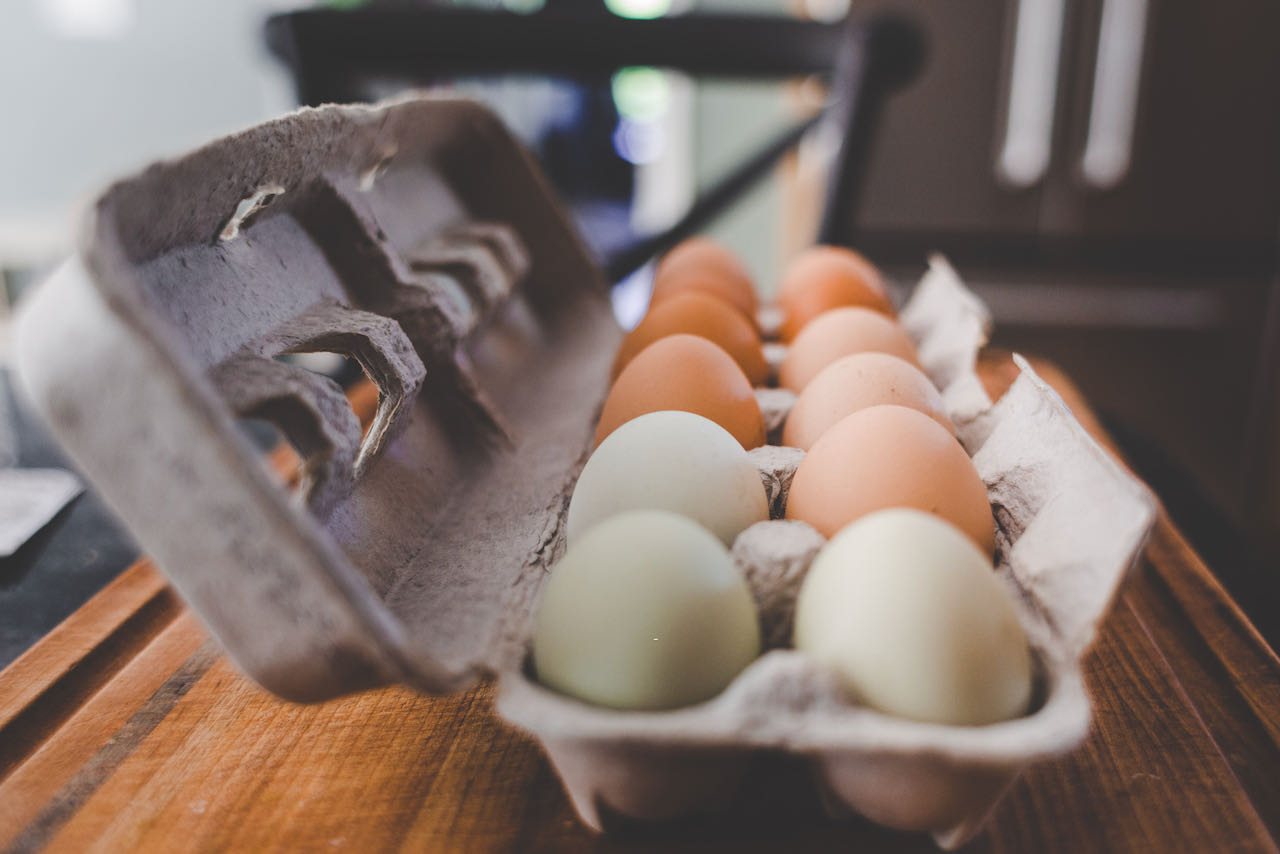
Each hen will have her own ‘quirks’ in terms of egg size and colour. Although most chicken breeds lay light brown eggs, some have eggs with pigmented shells. A hen will produce eggs of the same colour throughout her laying years. The palette ranges from deep browns to light blues and pastel greens, with speckling adding another dimension of prettiness.
Odd shapes and sizes are something quite different, though. They are quirks rather than breed-specific traits.
Why are chicken eggs sometimes bigger or smaller than usual?
A huge egg contains two yolks. In these cases, the hen has doubled up on her usual daily production and has had to produce a giant egg to accommodate the extra mass. These eggs usually have smaller-than-usual yolks, but they look very eye-catching in the poaching or frying pan!
Young birds often produce small eggs, and they will begin laying regular eggs very quickly. Some smaller bantam breeds produce small eggs all the time, of course.
Why are chicken eggs sometimes misshapen?
An oddly-shaped egg can be produced for various reasons. It often takes young hens an egg or two before they settle into their regular pattern. Stress in the chicken coop can lead to misshapen eggs too. This is usually due to a hen having the urge to lay but finding her space in the laying box occupied by another bird.
Misshapen eggs can be elongated, or they may have a thin, pointy end. Sometimes they are rough-looking, with craggy rather than smooth surfaces, or with thicker bands of shell running across their middles. In all these cases, the egg inside is unaffected and is perfectly safe to eat.
A ball-shaped egg is usually a sign of slight calcium deficiency. The round shape requires less calcium than a normal oval egg.
Are oddly-shaped chicken eggs a sign of illness?
Infectious bronchitis can lead to misshapen eggs. An infected hen will stop producing eggs for a few days or will only lay intermittently. The eggs she lays will have thin, wrinkled or rough-shelled eggs, and the white of the egg will be watery. It is also common for the affected eggs to have lighter-coloured shells than usual. The condition is rare, and chickens can be vaccinated against it.
Laryngotracheitis is another illness linked to egg abnormalities, and this, too, can be prevented through vaccination. Any ailment can cause a hen to become stressed, so, in theory, any illness can result in misshapen eggs.
Why do chickens lay freckled eggs?
Some breeds always lay speckled eggs. However, if a hen that typically produces plain eggs lays speckled ones, there are various possible causes. She may have been shocked or stressed in some way while the egg was forming, or she may have developed a quirk in the pigment-producing part of her egg-laying system.
Freckling is often the result of excess calcium production, sometimes associated with the ‘end of season’ laying at the beginning of winter. On some eggs, there is a marbled pattern rather than an area of freckles.
The speckling is usually smooth, but it sometimes manifests as raised blotches of excess calcium. These can be spots or wormlike strands, and they often occur as single spots on an otherwise standard egg. This may be linked to dehydration, so make sure your hens have enough water, and that a timid hen isn’t being bullied away from it all the time.
Why do chicken eggshells sometimes have a white ring?
Viewed from the side, an eggshell with this peculiar oddity has a thick white ring, looking uncannily like an x-ray of the egg that lies beneath. It is usually caused by an interruption in the formation of the eggshell, caused by stress or by a second egg entering the internal production line.
The second egg produced in this process will usually have a flattened side, as it has bumped into the first egg during the early stages of shell formation and has been ‘squashed’ into an odd, flattened shape.
Why are chicken eggs sometimes wrinkled?
A wrinkly eggshell can be a sign of stress or illness, but is usually a hereditary condition. Some older hens begin to lay wrinkly eggs too. The wrinkles are often deep grooves, giving a very misshapen egg and making this perhaps the weirdest of all the egg oddities.
The wrinkles sometimes look like a series of cracks in the shell. This results from an egg cracking during calcium formation, and the cracks are the chicken’s repairs, laying calcium over the cracks. Once again, the underlying cause is usually stress or illness, although sometimes it is simply the result of a second egg ‘crashing into’ the first due to an over-productive system.
Why do some chicken eggs have soft shells?
A soft shell is a sign of calcium deficiency or a lack of vitamin D. Low calcium can be prevented by making sure the hens have a high quality feed and don’t gorge on kitchen scraps (which may fill them up so much that they don’t bother eating the layers pellets). Low vitamin D can be prevented by sunlight – not always easy in the colder months of the year!
Other possible causes include heat stress, too much salt or too much spinach. When feeding chickens kitchen scraps, avoid giving them anything that is salted.
The extreme version of the soft-shelled egg is the egg with no shell at all. If a hen lays a shell-less egg, it should be cleaned up at once, as it will soon become rotten in the warm coop.
Weird eggs are usually one-offs, and they are nothing to worry about. If a hen lays an odd egg two days in a row, it is worth looking at possible underlying causes. Diet and stress are the chief culprits.
In terms of culinary uses, don’t worry. With the exception of soft-shelled and shell-less eggs, all these egg oddities are safe to eat.
Behind the twitching noses and soft expressions of rabbits lies a surprisingly structured social system. Because they’re social animals, bunnies thrive best when living in pairs or groups. But with more than one rabbit in the mix, you’ll quickly see a hierarchy take form. Understanding how rabbits decide who’s boss will help you interpret their behaviour, support healthy bonds, and step in when needed.
Why rabbits have a hierarchy
In the wild, rabbits live in large warrens with many individuals. To keep the peace in such close quarters, they rely on a clear hierarchy. This order establishes dominant rabbits as the first in line for resources like food and shelter, and helps submissive rabbits understand their place, which reduces the risk of constant conflict. When a healthy hierarchy is in place, the whole group can coexist peacefully.
Domesticated rabbits are no different. Even in your backyard rabbit setup or indoor enclosure, bunnies will establish a pecking order among themselves. Knowing how to tell who the dominant and submissive members are and making sure there’s plenty of rabbit enrichment will help you maintain the peace.
Signs of dominance
A dominant rabbit will usually make its position clear through a mix of bunny body language and behaviours like:
Mounting — Not always a mating gesture; it’s a way to show dominance over another rabbit. Both males and females will mount other rabbits of either gender until the hierarchy is established.
Nudging or chasing — Used to move submissive rabbits out of the way. Sometimes chasing manifests as circling, and shouldn’t result in stress or injury.
Resource guarding — Blocking access to food bowls, hay feeders, or favourite hideouts. This shouldn’t be persistent, just a dominant rabbit staking their claim as first in the desired activity.
Demanding grooming — Lowering their head expectantly for attention from others. This “bowing” may be met with another bow from the other rabbit until the hierarchy is firmly established.
These are normal parts of establishing hierarchy, but they should settle into routine rather than remain constant.
Signs of submission
The flip side of dominance is submission, and it’s just as important for keeping the peace. A submissive rabbit may:
Groom the dominant rabbit as a show of respect. The rabbit doing the grooming is acknowledging the elevated position of the other rabbit, and is accepting their place lower in the hierarchy.
Lay low with ears back to avoid confrontation. This “flattening” is in response to a rabbit feeling threatened by another, and it will usually diffuse tension right away.
Move away when challenged instead of fighting. Passive behaviours are a sure way to tell which of your rabbits are more submissive.
Recognising these behaviours reassures you that your rabbits are negotiating boundaries rather than escalating into real conflict.
How the hierarchy is established
When rabbits first meet, or when an established pair goes through changes, the hierarchy must be worked out. During periods of change, or when introducing new rabbits, you can expect to see mild scuffles like quick “boxing” matches or brief chases. You may also see nose-to-nose standoffs until one rabbit backs down. And, most commonly, you’ll notice mounting and chasing until the roles are accepted.
This process can look dramatic, but it’s usually short-lived. The important thing to remember is that dominance isn’t always permanent. It can shift later due to age, health, or personality changes. Keep an eye on your rabbits to make sure all transitions and shifts remain safe.
Healthy vs. problematic behaviour
While it’s normal to see chasing, nudging, and mounting during normal bonding and hierarchy restructuring, there’s a line between healthy dominance and problematic aggression. Here are some warning signs to watch out for:
Persistent bullying of the same rabbit.
Fur pulling or biting that draws blood.
One rabbit being isolated or excluded from resources.
In these cases, separating the aggressive rabbit and reintroducing them over a longer period of time may be necessary to prevent further injury and stress.
Top tips for rabbit owners
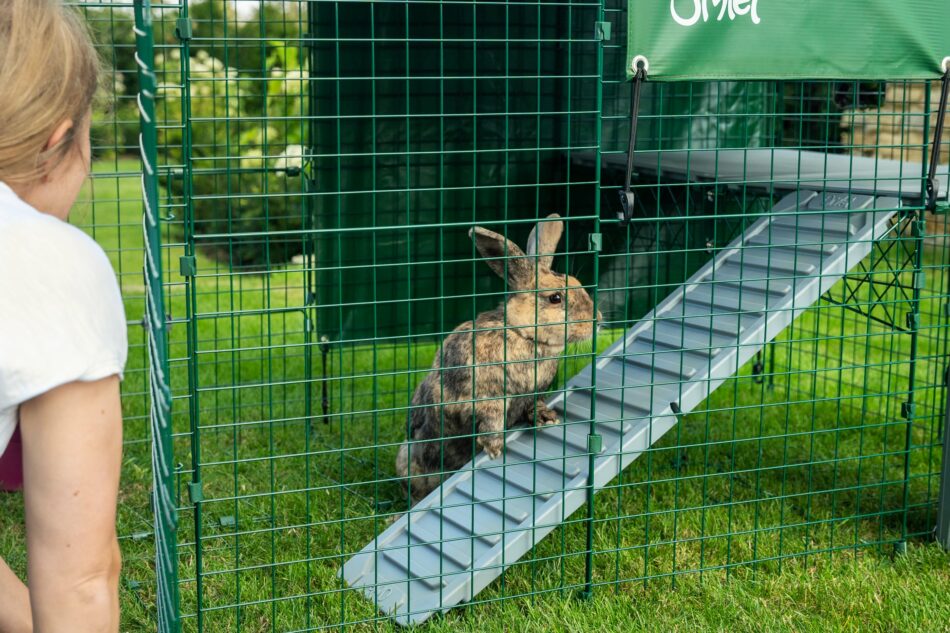
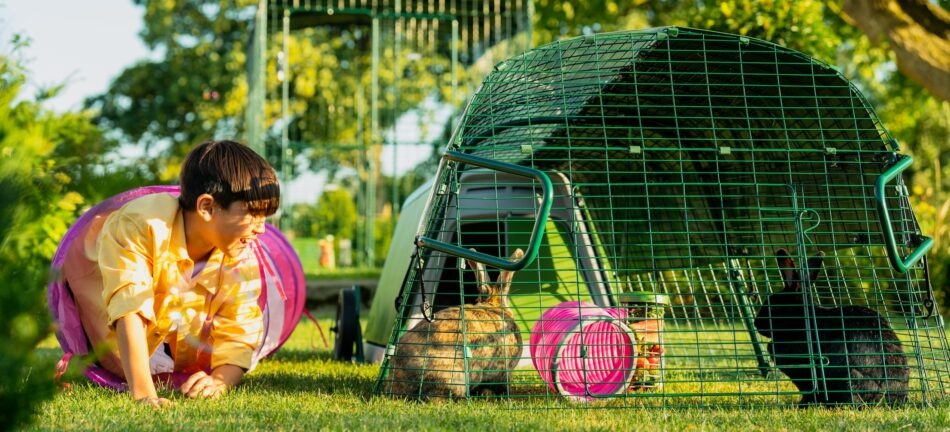
As their owner, you can make hierarchy establishment smoother and safer. Providing a neutral bonding space like a rabbit playpen gives bunnies a fresh environment to help reduce territorial disputes. Offer more than one feeding and watering station, and provide plenty of rabbit hideouts to prevent competition for resources, and create escape routes with Zippi tunnels and platforms to allow submissive rabbits a way to retreat. And most importantly, remember to be patient. Bunny bonding and hierarchy take time, over the course of several days or even weeks. But once it’s established, your rabbits will have created an environment where everyone belongs and enjoys each other’s company.
Omlet and your rabbits
The right setup makes it easier to manage your rabbits’ social needs. Omlet’s Zippi Rabbit Runs and Zippi Rabbit Tunnels offer plenty of customizable space and entry points, giving rabbits the room they need to retreat or explore during the bonding process. Paired with an Eglu Go Rabbit Hutch, and both dominant and submissive bunnies will be able to call this secure and engaging setup their home.
Chickens are fascinating creatures, and their eyes, even more so. Here are some amazing facts about chickens’ eyes that you may not have heard before!
Chickens Can See More Colours Than Us
Chickens are tetrachromatic. They can see the colours we see in (red, yellow and blue), but whilst we have three types of cones in our retinas, chickens have four, which allows them to see in ultraviolet light. This gives chickens access to a much wider range of colours and shades than humans.
Chickens Have a Third Eyelid!
Believe it or not, chickens actually have a third eyelid, on each eye! The third eyelid, called the nictitating membrane, horizontally draws across the eye which helps clean, moisten, and further protect the eyes from dirt. The nictitating membrane is transparent in appearance which means that chickens still have the ability to see, even when the third eyelid is closed.
They Can Use Each Eye Independently
Chickens are able to use each of their eyes independently, with a 300 degree field of vision (humans only have 180!), meaning that both of their eyes can focus on different tasks at the same time. This is also known as monocular vision, which amazingly already begins even before a chick’s arrival. When the chick is still in its shell, it turns towards the right to absorb any light and the left side of the shell is covered by their body. When the chick then hatches, nearsightedness develops in their right eye, which will allow the chick to search for food, as the left simultaneously develops farsightedness. This is to help the chick look out for any potential predators. You will probably notice this from when chickens tilt their heads when a hawk flies over.
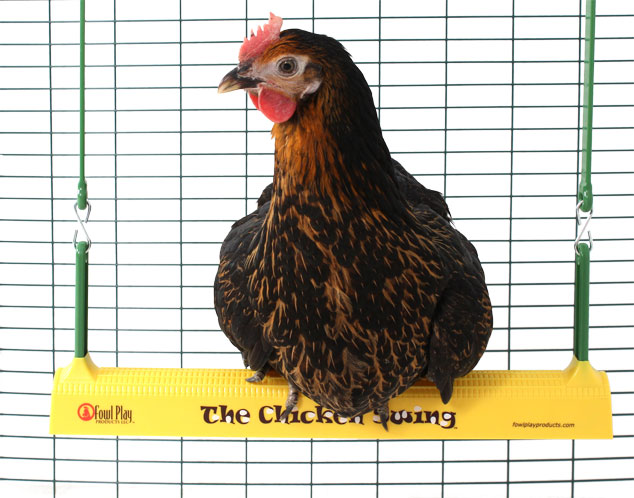
The Omlet Chicken Swing is the perfect toy for keeping chickens entertained!
Chickens Have Terrible Vision in The Dark
Night vision definitely isn’t their strong point! Having descended from dinosaurs all them millions of years ago, as opposed to being preyed on by them like other species, chickens had no need to learn how to run and hide in the dark. For this reason however, chickens today require protection at night because just like humans, they’re awake during the day and sleep during the night, and are highly susceptible to predators.
Chicks Have Amazing Eyesight From Birth
When chicks first hatch, they surprisingly have remarkable eyesight, in fact a lot better than humans. From the minute they hatch, chicks are able to detect small items such as grains of food and even have spatial awareness. A human baby however, lacks this ability and does not develop such skills until a few months down the line.
Chickens Rarely Move Their Eyeballs
Chicken eyes have a very limited range of motion and lack the ability to remain focused on an object whilst the rest of their body is moving. This is why you’ll often see chickens walking around, bobbing their heads, whilst facing onwards. It is not so much a case of chickens not being able to actually move their eyes at all, but rather their eyes cannot move quickly enough to process the image in front of them. Instead, chickens will tend to turn their heads when they want to gain better eyesight of something.
Their Eyes Have a Double Cone Structure
The retina of the eye is composed of rods and cones, the rods being to detect light-sensitive motion, and cones to see colour. As we found out earlier, chickens have more types of cones than us, hence why they are able to enter a fourth dimension of colour, which us humans can’t. A double cone retina structure means that a chicken’s eyes are more sensitive to movement. This is advantageous to chickens as it gives them a greater ability to detect motion, which is helpful when it comes to spotting a perceived threat.
Chicken Eyes Make Up 10% of Their Head Mass
That’s quite a lot, considering our eyes only make up for approximately 1% of our head mass! Although it may look humorous, there’s actually a good reason behind it. Having such large eyes helps chickens to see larger and clearer images as they are produced.
Chickens Can Sense Light Through Their Pineal Gland
Light reaches chickens through either their eyes, skulls, or skin, which activates the pineal gland in the brain. The pineal gland, also sometimes referred to as ‘the third eye’, is something else that makes chicken vision oh so interesting. A pineal gland helps chickens to sense daylight, or the lack of, even if they are unable to see with their eyes. This means that even a blind chicken is able to detect lighting or seasonal change!
They Have the Ability to Recognise up to One Hundred Different Faces
They say that elephants never forget but apparently chickens don’t either! Chickens are able to recognize up to one hundred faces, be it other chickens, humans or any other species. They can also amazingly decipher between their positive and negative encounters.
After a few interesting facts, we’re sure that you’ll now know a whole lot more about the amazing subject of chickens’ eyes, that’ll be bound to get you wondering just what’s really going on through the eyes of your chickens!
Moulting is the natural process where chickens shed their old feathers and grow a fresh set. It happens to every chicken, at every age, and while it can make your hens look a little rough around the edges, it’s a completely normal and healthy part of their annual cycle. During a moult, you’ll likely see a drop in egg production as your hens redirect their energy towards growing new feathers, but with the right support, they’ll come through it looking better than ever.
Moulting serves a real purpose beyond appearances. It gives your chickens a chance to repair skin damage, renew their insulating feather coat ahead of winter, and give their reproductive systems a well-earned rest. Think of it as a seasonal reset.
Key point: A moulting hen isn’t necessarily sick. She’s doing exactly what her body is designed to do.
What Is Chicken Moulting and When Does It Happen?
Moulting is the shedding of old, worn feathers to make way for new growth. Feathers are made almost entirely of protein, so producing a full new set takes a significant amount of energy and nutrients. That’s why you’ll see changes in behaviour, appetite, and egg-laying during this time.
Chickens don’t just moult once. They go through several moults across their lifetime, starting from just a few weeks old.
Chick Moults: The Four Stages
Before your chickens reach adulthood, they go through four distinct moults as they shed their downy baby fluff and grow their full adult plumage.
First moult: 1-6 weeks
Second moult: 7-9 weeks
Third moult: 12-13 weeks
Fourth (final chick) moult: 20-22 weeks
By the time the fourth chick moult is complete, tail feathers begin to come in fully, which makes it easier to spot young roosters in the flock. If you’ve been wondering which of your chicks is a cockerel, this is often the moment it becomes clear.
Adult Annual Moults
Once your chickens reach adulthood, they settle into a yearly moulting cycle. Most hens have their first significant adult moult at around 16-18 months of age. After that, moulting typically happens once a year, most commonly in late summer or early autumn as the days get shorter and daylight hours decrease. The exact timing can vary depending on the individual chicken, the breed, and your local climate.
Occasionally, a chicken will moult outside of this seasonal window. This is usually triggered by stress, such as a sudden change in diet, an illness, a flock disruption, or an extended period of extreme weather. These out-of-cycle moults are sometimes called “stress moults” and tend to be less predictable in their duration.
Signs Your Chicken Is Moulting and What’s Normal
The first time you see a hen going through a heavy moult, it can be alarming. Patches of bare skin, a dishevelled appearance, and a noticeably quieter hen are all par for the course. Knowing what to expect makes it much easier to stay calm and respond appropriately.
Common Signs of Moulting
Feather loss – patches of missing feathers, sometimes large, often starting around the head and neck
Dull or frayed feathers before they drop, giving your hen a ragged look in the days leading up to the moult
Reduced or paused egg production as energy is diverted from laying to feather regrowth
Increased appetite since growing new feathers requires a significant protein intake
Behavioural changes including being quieter, more irritable, or less interested in being handled
Dull combs and wattles, which may appear paler or less vibrant than usual
How Moulting Progresses
The moulting process follows a fairly consistent pattern across the body. It begins at the head, then moves down towards the breast and legs, and finally reaches the tail. By the time the tail feathers are falling out, the head feathers will often have already started to regrow. This sequential pattern means your hen may look like a patchwork of bare skin and fluffy new growth at any given point.
What about pin feathers? As new feathers emerge, you’ll notice small, waxy-looking shafts called pin feathers (or blood feathers) pushing through the skin. These are sensitive because they contain a blood supply that feeds the growing feather. This is why handling your hens gently during a moult matters so much.
When to Be Concerned
Patchy feather loss during a moult is normal, but unexplained feather loss at other times of year warrants a closer look. If you’re not expecting a seasonal moult, feather loss could point to mites or lice, bullying within the flock, or an underlying illness. Give your chickens a quick health check and contact a vet if you suspect something other than a natural moult is to blame.
Watch out for these signs that something may be wrong:
Feather loss without any new growth appearing after several weeks
Bleeding or scabbed-over bare patches
Excessive lethargy or signs of pain
Feather loss concentrated in one area, particularly the back, which can indicate feather-pecking by other chickens
How Long Does a Chicken Moult Last?
A typical moult lasts around 8-12 weeks, though some chickens can take up to 16 weeks to complete the process. The variation comes down to the individual chicken, her breed, her overall health, and the type of moult she’s going through.
Hard Moults vs. Soft Moults
Not all moults look the same. Chickens tend to fall into one of two patterns:
Hard moult: Dramatic, rapid feather loss across large areas of the body. Shorter overall, with feathers regrowing quickly.
Soft moult: Gradual feather loss that’s less visually obvious. Longer overall, and can drag on for months.
A hard moult can look startling. A hen that was fully feathered one week may look nearly bare the next. While dramatic, this is actually a sign that the process is moving efficiently. Soft moults, by contrast, may be barely noticeable at first glance but can take considerably longer to complete.
Does the Weather Make a Difference?
Yes. Cooler temperatures in the autumn actually help speed up feather regrowth, which is one reason the annual moult tends to happen as summer ends. The body prioritises growing a thick, insulating coat before winter sets in. If your chickens are moulting in warmer months, the process may take a little longer.
A note on egg production: Don’t expect a fixed timeline for when laying will resume. Most hens stop laying entirely during a moult, and egg production typically picks back up 4-8 weeks after the new feathers have grown in. Some hens return to laying before the moult is fully complete, while others wait until they’re fully feathered again. Both are normal.
How to Help Your Chickens Through a Moult
Moulting isn’t an illness, so it doesn’t need treatment. But there’s a lot you can do to make the process more comfortable and to support your chickens’ bodies as they do the hard work of regrowing feathers.
Boost Their Protein Intake
Feathers are made up of around 80-85% protein, so it makes sense that growing a new set puts a huge demand on your chickens’ nutritional reserves. During a moult, switch to a higher-protein feed, ideally one with at least 18% protein content. This is the single most impactful thing you can do.
For more guidance on what to feed your flock and how to balance their diet, take a look at our chicken feed guide.
Keep Handling to a Minimum
Pin feathers are sensitive. Because they contain an active blood supply while the feather is growing, any pressure on them can be uncomfortable or even painful for your hen. During a moult, resist the urge to pick up and cuddle your chickens more than necessary, even if they seem to need reassurance.
Equally, avoid putting jackets or saddles on moulting chickens. While chicken saddles are useful for protecting the backs of hens that are being over-mated, using them during a moult can irritate bare skin and interfere with feather regrowth.
Support Their Immune System
A moult is physically demanding, and a stressed or run-down hen may take longer to complete the process. A few simple additions can give their immune system a boost:
Add a small amount of apple cider vinegar to their water (roughly one tablespoon per gallon)
Offer fresh herbs like oregano, which has natural antimicrobial properties
Make sure they have consistent access to clean, fresh water at all times, since hydration supports feather development
Keep Their Environment Clean and Comfortable
Your chickens will shed feathers constantly during a moult, both in the coop and in the run. Clearing shed feathers regularly keeps things tidy and gives your chickens clean ground to dust bathe in, which actually helps the moulting process along. Dust bathing is how chickens naturally care for their skin and feathers, so make sure they always have access to a suitable spot.
An easy-to-clean coop makes a real difference during moult season. The Omlet Eglu Cube and Eglu Pro chicken coop are designed with hygiene in mind, making the daily removal of shed feathers and debris much quicker than cleaning out a traditional wooden coop.
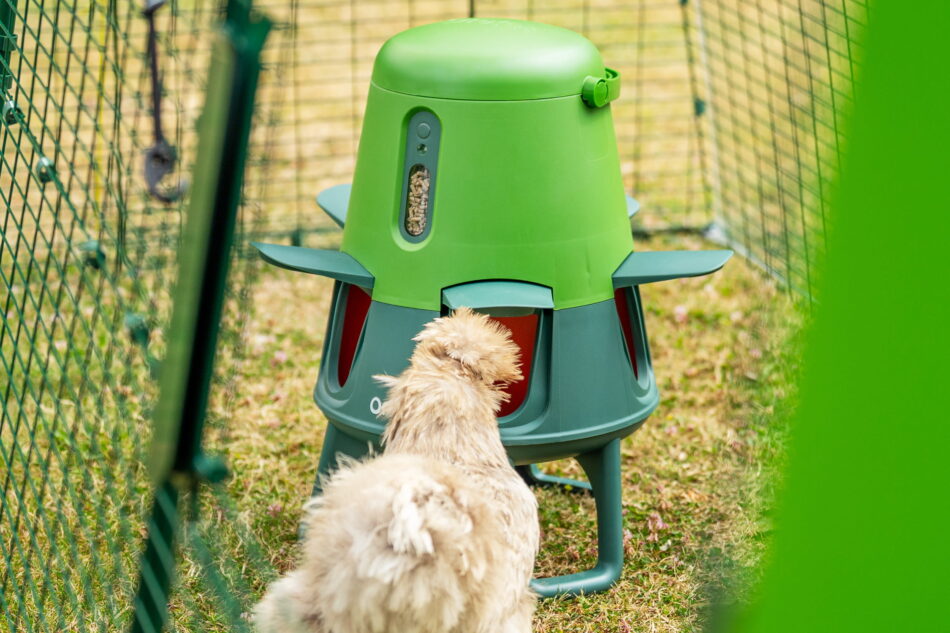
Keep feeders and waterers topped up. Chickens may have an increased appetite during a moult so ensure they eat every ounce with a no waste feeder that stops feed being spilt and wasted on the run floor. Use a feeder with a viewing window so you can see when the feed is running low, or opt for a Smart Chicken Feeder that sends a notification when it’s time to refill.
Check on your flock daily. Most hens will move through their moult without any complications, but staying observant means you’ll catch any issues early.
What to Expect When the Moult Is Over
Once the moult is complete, you’ll likely be struck by how different your hens look. Fresh feathers are brighter, fuller, and more vibrant than the dull, worn ones they replaced. Your hens will look like themselves again, and better.
Egg production will gradually return as the moult wraps up. Hens that were strong layers before the moult tend to come back to laying at a similar rate, though it’s worth noting that older hens may not return to their previous peak. This is a natural part of ageing rather than anything to worry about.
If you have a flock rather than a single hen, you’ll notice that your chickens tend to moult on a similar schedule. This means you may face a period of little to no egg production across the whole flock at once. It’s worth planning ahead: save any surplus eggs in the weeks before moult season so you’re not caught short. Unwashed eggs will keep in the fridge for several weeks.
Why Nutrition Matters More During Moulting Season
“Moulting is a pretty demanding process for a chicken.” say Scratch & Peck Feeds, experts in quality, organic chicken feed. “Feathers are made primarily of protein, so when a bird is replacing a significant portion of her plumage, her body is putting a lot of resources toward growing those new feathers. This is why we think of moult as a time to really focus on good, complete nutrition rather than simply adding lots of treats or supplements.”
We’ve partnered up with Scratch & Peck Feeds to bring you the best feeding advice for the moulting season. Read on for everything you need to know about moult nutrition.
What Should Chickens Be Eating During a Moult?
“The foundation should still be a complete, balanced feed formulated for their life stage. During moult, we especially like a feed with a little more protein to help support feather regrowth.
“It can be tempting to throw every high-protein treat in the coop when your flock starts looking a little scruffy, but treats shouldn’t replace complete feed. You still want birds getting the right balance of protein, amino acids, vitamins and minerals, not protein alone.”
Do Chickens Need More Protein During a Moult?
“A little extra protein can be really helpful. Feathers are roughly 85–90% protein, so growing an entirely new set requires a substantial amount of it.
For flocks normally eating a 16% Layer Feed, moult can be a great time to temporarily move to an 18% Layer Feed. You can also supplement with protein-rich treats like grubs, particularly if some birds are moulting while others aren’t.
The goal isn’t necessarily “as much protein as possible.” It’s giving the flock a complete diet with enough high-quality protein and essential amino acids to support what their bodies are doing.”
Practical Moulting-Season Care Tips
Here’s Scratch & Peck’s top moult season tips:
Don’t panic when egg production drops. It’s normal for laying to slow or stop while a hen puts her resources toward growing feathers.
Be gentle with your birds. Those new pinfeathers can be surprisingly sensitive, so moulting chickens may not appreciate being picked up or handled as much as usual.
Keep treats in perspective. Moult is a great time for protein-rich treats, but you don’t want treats filling birds up at the expense of their complete feed.
Keep fresh water available at all times. Good hydration is important year-round, including while birds are going through the stress of a moult.
Remember that every bird moults differently. Some seem to lose half their feathers overnight while others moult so gradually you barely notice. They also won’t necessarily moult at the same time, so pay attention to the individual birds in your flock.
Give them time. A moulting chicken can look pretty rough for a while, but feather replacement is a normal and important part of the yearly cycle.
When to Worry: Signs It May Not Be a Normal Moult
Moulting explains a lot of things that might otherwise seem alarming, but it shouldn’t be used as a catch-all explanation for every change in your flock. There are specific signs that warrant a closer look, regardless of whether your chickens are in the middle of a moult.
Moulting does not explain:
Lethargy, weakness, or a hen that’s noticeably unwell beyond being quieter than usual
Weight loss or a significant drop in body condition
Discharge from the eyes, nostrils, or vent
Severe or persistent distress that doesn’t ease as the moult progresses
Signs that may point to something other than moult:
Localised feather loss in one area, particularly on the back or neck, which can indicate feather-pecking by other flock members
Skin irritation, redness, or visible parasites around the base of the feathers, which may suggest mites or lice
Feather loss with no new growth appearing after several weeks
A hen that isn’t eating, seems very weak, or has symptoms that fall outside a normal moult pattern
If you’re unsure whether what you’re seeing is a moult or something more serious, give your chickens a health check and contact a vet if anything doesn’t seem right. It’s always better to check.
Key Takeaways
Moulting is the natural cycle of shedding old feathers and regrowing new ones. Chicks go through four moults before adulthood, and hens typically experience their first major adult moult at around 16-18 months of age, usually in late summer or autumn.
Expect feather loss starting at the head and moving down the body, reduced laying, increased appetite, and possible behaviour changes like irritability or withdrawal.
Most moults last 8-12 weeks, though hard moults finish faster while slower moults can stretch up to 16 weeks.
Nutrition is the most important thing you can do to support a moulting hen. Switch to an 18% protein feed and offer protein-rich supplements like grubs to help feather regrowth. Use a trusted feed brand like Scratch & Peck.
Handle moulting chickens gently. Pin feathers are sensitive and your hens may be less comfortable being picked up than usual.
Moulting should not automatically explain lethargy, weight loss, discharge, or severe ongoing distress. If something doesn’t seem right, give your chickens a health check and contact a vet.
Comfort matters during moult. Clean, easy-to-maintain coops and secure runs help reduce extra stress while your chickens are more vulnerable.
Supporting Your Flock With the Right Setup
Comfort matters during a moult. Regrowing feathers can make hens more sensitive to drafts, handling, and stress, so having a clean, well-maintained setup makes a real difference to how smoothly the process goes.
A coop that’s easy to clean means you can clear shed feathers regularly without it becoming a chore. The Omlet Eglu Cube and Eglu Pro are designed with hygiene in mind, so the daily removal of feathers and debris takes minutes rather than a full session.
A secure, well-covered run also reduces stress on moulting chickens. The Omlet Walk In Chicken Run gives your flock space to move freely and dust bathe, which supports the moulting process, while the heavy-duty steel mesh keeps predators out. If you want to give your chickens more flexibility to roam while keeping them safe, an Omlet chicken run can be a practical option during moult season.
Keep feeders and waterers topped up and accessible throughout the moult. Your chickens will be eating more than usual, and consistent access to clean water is essential for feather development.
The Eglu Cube Chicken Coop will keep your chickens content all year round!
World’s Heaviest Chicken
The heaviest chicken breed, White Sully, was developed on a farm in California. It’s a hybrid breed of large Rhode Island Reds and other heavy breeds. The largest chicken ever recorded was a rooster called Weirdo, and he weighed just over 10kg (22 lb). It is said that he was so aggressive that he killed two cats during his lifetime and seriously hurt a dog that came too close to his territory.
World’s Oldest Chicken
The current world record holder is Muffy, a Red Quill Muffed American Game hen, who died at the age of 22 in Maryland, USA. One of the more famous old chickens was a Red Pyle chicken called Matilda from Alabama, USA. She was the first hen to receive the title of World’s Oldest Living Chicken from Guinness World Records, and lived for 16 years. Veterinarians said it was likely she lived for so long because she was kept in her owners’ house as a pet, and never laid an egg in her life.
World’s Heaviest Egg
The heaviest egg ever recorded was laid by a White Leghorn chicken in New Jersey, USA in 1956. It weighed 454g (16 oz), and had both a double yolk and a double shell.
World’s Biggest Egg
The heaviest egg was however not the biggest egg ever found. Tony Barbouti in Eastwood, Sussex, once found an egg in his coop measuring 23cm (9.1 in) in circumference. It only weighed just over 161g, but certainly gave Barbouti a shock! He later said that the hen was noticeably shocked after having produced the egg, and she walked a bit funny for a few days, but recovered completely.
World’s Longest Flight
Chickens are not known for their ability to fly. In fact many mean that they can’t technically fly, but only jump high and flap their wings to stay in the air. The longest flight of a chicken that has been recorded is 13 seconds. A different record for the longest distance flown is just under 92m (301 ft). Pretty impressive for a supposedly flightless bird!
World’s Most Prolific Layer
A Prof. Harold V. Bieller conducted experiments with chickens in the late 1970s at the College of Agriculture, University of Missouri. The highest rate of egg-laying he found was by a White Leghorn in 1979. She laid a whopping 371 eggs in 364 days!
World’s Most Prolific Mother Hen
Northern Irish farmer John Dolan has got two hens that have made it into the Guinness Book of Records. His hen Sally entered by having two sets of chicks in just 55 days, the latest of which produced 11 live chicks from 12 eggs. Chickens normally stay with their young for at least three months, but Sally started laying again after only 21 days. John’s other record breaking chicken Marmalade made it into the Book of Records by hatching a remarkable 107 chicks in two years!
It is a common myth that dogs only see in black and white. This is not the case, although their colour vision is limited compared to humans.
In that case, you may now be wondering “well, what colours can dogs see then?”, and how exactly do we as humans know this?
What colours do dogs see best?
The first question on your mind might be “what colours do dogs see best?”. Well, whilst the average person can see ‘all the colours of the rainbow’, from red to violet, dogs don’t have the same light receptors in their eyes as we do. To them, the rainbow is missing the red half of the spectrum. They can, however, see the yellows and blues. Indeed, a rainbow, to a dog’s eyes, is a series of yellows and blues of different shades.
What colours can dogs not see?
The ‘missing’ reds and oranges will appear to dogs as the various shades of light brown labelled ‘tan’. The greens in grass, trees and other plants are also tan to a dog. That bright red ball lying in the lush green grass may be very clear to you, but to your pet dog, the ball and the grass are both brown. Buy your dog a yellow or blue toy, however, and it will be as visible to your dog as it is to you.
Luckily for dogs, they rely on their sense of smell more than sight, so locating that ball in the grass won’t be so tricky, no matter what colour the toy is.
Can dogs see colours in their beds and toys?
As long as you don’t decorate your dog’s crate, Fido Nook or another cosy corner with reds, oranges and greens (which will all appear brown to a dog), they will appreciate a splash of colour. There’s nothing wrong with shades of tan either!
There is no evidence, either, that a dog prefers a blue or yellow ball to a red or green one. They will, however, be likelier to lose track of a light brown ball in the light brown grass.
How do dogs see colour?
In the earliest research into animal vision, dogs were taught to choose a disc that was a different colour from the others by touching the odd-one-out with their noses. If they chose the right one, they were given a treat – always a great incentive, as any dog owner knows! Sometimes, however, even the most well-trained dogs struggled to identify the odd-one-out. This told the researchers that the dogs were unable to distinguish between certain colours. When the discs were all red, apart from one green one, all the dogs could see were light browns!
Scientists are also able to use electroretinography to measure how animals’ eyes react to light. It was soon confirmed that key ‘cone cells’ responsible for registering colour in human brains were absent in dogs. Humans have three types of cone receptors, while dogs only have two.
Do dogs have good eyesight?
It may come as a surprise to many people that dogs, in addition to their poorer colour vision, cannot see as clearly as humans. Beyond a certain distance, everything becomes blurry for them. They have a genetic short-sightedness that prevents them from seeing distant objects clearly. The degree of short-sightedness varies between dog breeds, and it comes as no surprise to learn that so-called ‘sight hounds’ such as the Afghan Hound, Greyhound, Irish Wolfhound, Scottish Deerhound and Whippet have better eyesight than Chihuahuas, Pugs and Bulldogs.
However, dogs’ eyesight comes into its own at dawn and dusk, when they can see just as well as they do in the daytime. Like cats, they have retinas that function well in poor light. The shape of their eyes’ light receptor cells and a reflective tissue layer at the back of the eye combine to create this low-light supervision.
And yes, that reflective layer is why dogs’ (and cats’) eyes always have a ‘red eye’ effect in photographs, and in car headlights. (Don’t worry though, we’ve got some top tips on How To Take Better Photos of Your Pets!). No wolf pack in a horror film would be complete without those glowing eyes!
Dogs also have a broader field of vision than humans, as their eyes are more on the side of the head than ours. This enables them to take in details that we would either miss or would be half-glimpsed things seen ‘in the corner of the eye’.
Why do dogs see less colour than humans?
Dogs evolved as hunters, just like modern wolves. On the one hand, this might make you assume that fantastic vision would be essential, as it is, say, in a bird of prey. However, the difference between a dog and an eagle is that the dog evolved to hunt at night, or dawn and dusk. A hunter doesn’t need full-colour vision at night, as colours simply disappear when the sun goes down. The key skill is to detect motion and to see things vividly in the half-light. In these respects, dogs’ eyes excel, and their eyes are super-sensitive to movement.
Humans, in contrast, evolved as daytime hunters, and that’s why we have better colour vision. At night, our eyes are hopeless without some kind of artificial light. At dawn and dusk, our brains have great difficulty identifying moving objects with certainty. That’s why ghosts, goblins and other supposedly supernatural sightings occur at these times of day – they are a function of our brain trying to busk in the half-light!
Human vision, then, contains more colour than a dog’s. However, we are certainly not top dogs when it comes to colour vision in the wider animal world. Many insects, including bees and butterflies, as well as many fish and crustaceans, have far more light receptors than we do and can see far more colours in the rainbow and the world around them.
But a dog’s vision is still perfect – for a dog!
We might see the world differently from our pet pooches, but what owner and pet can both agree on is that our furry friends deserve to live a life of luxury! Shop Omlet dog products today to find the perfect Dog Bed, Dog Crates and Dog Accessories for fido!
Keeping your pets and their homes clean and hygienic is one of the best ways to prevent illness or distress. It’s obvious when your guinea pig is happy and in good health, as they will be running, playing, chattering and acting as they usually do. However, if your guinea pig seems to be under the weather, but a trip to the vet has identified no underlying problems, this could be a sign that better hygiene is required. Here are 5 guinea pig care tips, so that you can be on your way to helping your cavies!
1. Avoid frequent bath time!
If your guinea pigs’ coats are in need of a good clean, there are some important things to bear in mind. Whilst it might be your first instinct to want to bathe them, this can actually be bad for your guinea pigs’ health. In particular, this can lead to developing dry skin.
Guinea pigs actually maintain a good level of cleanliness through self or group-grooming naturally. If a guinea pig coat becomes matted with dirt, you may need to use a chemical-free wipe to slightly wet the fur, enabling you to clean it thoroughly. If a guinea pig’s coat gets wet in the process of cleaning, make sure they have plenty of blankets and warm toys to surround themselves with afterwards.
However, it’s still a good idea to invest in a grooming kit, especially if your guinea pig lives alone. Therefore, you can take the place of their fellow guinea pigs in maintaining their lovely coats!
2. Keep on top of dental hygiene
If you notice that your guinea pigs’ teeth have grown very long, or they’re having trouble eating, it’s a good idea to check with your vet if any action needs to be taken. You can read more about taking care of guinea pigs’ teeth in this Omlet guide.
3. Trim your guinea pigs’ nails
Similarly, you should keep an eye on your guinea pigs’ toenails. Guinea pig toenails need cutting regularly, to keep up with their care regime. If their nails are white, then it is easier to see the blood vessel, or the quick, running down the centre of their nails. This way, you can trim the tip of the nail and avoid the quick. With darker nails however, it can be more difficult to see this. If in doubt, contact your vet, who will be able to help you out with this procedure.
4. Regularly clean your guinea pigs’ hutch
You may be wondering how to clean a guinea pig’s cage, but it’s pretty simple (especially if you have an Eglu Go Guinea Pig Cage!).
Plastic hutches
A healthy guinea pig is a relatively clean animal that relies heavily on the nature and safety of their habitat. The cage, hutch and enclosure are the best places to start when looking at ways to improve your pets’ environment. Depending on the material your enclosure is made of, you will need specific products to clean it. Using the right sort of cleaner will ensure you get the most out of every home and piece of play equipment you buy for your guinea pig.
If your guinea pigs live in a cage or caged hutch, a pet-safe liquid spray disinfectant is perfect for cleaning the cage and any plastic base or guinea pig play equipment. It’s a good idea to soak the cage in water and let it dry before disinfecting, as this will loosen any large pieces of dirt and allow the spray to do its job! If regular disinfecting isn’t doing the trick and the hutch retains unpleasant odours, try using hutch cleaning granules, which have been specifically designed to eliminate smells from your pet’s home. When it comes to how often you should clean a guinea pig cage, the rule of thumb is that it should be done on a twice-weekly basis. This involves taking all of their bedding out of their sleeping area, emptying and cleaning their food bowl, cleaning their feeding area, replacing all the bedding and replenishing the food. The more guinea pigs you have the more often this will need to be done, as more excretions will be produced and more mess made.
Wooden hutches
If your guinea pigs live in a wooden hutch, you need to disinfect it as you would with a regular cage, and it’s also a good idea to clean it every month or so with hot soapy water and scrub the wooden surfaces. Try to minimize soaking the wood by squeezing out most of the water from your sponge before cleaning. If the hutch contains any fleece liners, these are usually machine washable, and it’s good practice to give them a clean more regularly than you would the rest of the hutch. Regardless of which type of hutch you use, always let it dry thoroughly after cleaning before reintroducing the guinea pigs.
5. Replace your guinea pigs’ equipment
Everything you buy for your guinea pigs has a different lifespan, but it is often a good idea to replace items before they deteriorate completely. A typical pet’s water bottle could last many years without breaking, but replacing it every year or so is a good idea. This is because repeated wear and tear of the plastic bottles can result in the animals ingesting plastic, in small pieces or as micro-plastics in the water itself.
Likewise, if you feel that any piece of equipment is no longer possible to fully clean, even after a thorough attempt, it is a good idea to replace it. Your pet would appreciate having something new to play with. Check out Omlet’s range of guinea pig run accessories that are bound to keep your cavies thoroughly entertained!
Although there is no way to ensure your guinea pigs will always stay healthy, paying attention to their hygiene and nutrition will set your pets up for long and healthy lives. Doing plenty of research on your guinea pigs is one of the best things you can do as a pet owner. For example, guinea pigs need lots of vitamin C, and they have been known to lack this essential nutrient in their diets. We’ve even written about why vitamin C is so Important for guinea pigs in a previous blog. They will benefit from the occasional use of supplements.
Keeping up to date with the latest advice on guinea pig health has never been easier than on the Omlet Blog, so be sure to keep checking back in for new articles! You can also visit the Omlet website. Where you’ll find guinea pig run accessories, feeders, and hutches that your pets will love!
If you share your home with a dog, it’s important to make sure the space is just as comfortable, hygienic and safe for them as it is for you. With these 5 dog-friendly interior tips for your home,you can be assured they’re staying safe, whilst your home stays in tip-top condition.
1. Materials matter
This is a simple idea but one that will save you a lot of cleaning time and expense in the long run. Opt for washable sofa covers wherever possible and steer clear of materials that can easily be scratched or will likely attract loose fur. Removing pet hair from your home can be done but it can also be a hassle, especially when it’s partially preventable. Some dogs will need grooming more than others, but brushing your dog regularly will help keep fur off furniture as well.
The same goes for flooring – choose something easy to mop or wipe, especially after a muddy dog walk. A machine-washable dog mattress like our Bolster dog bed will also help to minimize dirt and fur in your home. Simply unzip the cover and machine wash to maintain home hygiene and fresh sheets for Fido.
2. Styling your dog’s bed to your home
Your dog’s bed no longer has to stand out awkwardly in your home. Omlet’s Bolster dog beds are available in 15 bold colours to suit your interior style. Matching the colour of the dog bed to an accent colour in any room can be a great way to integrate their bed with your interior style, and really make it part of the home.
Plus, you can even raise your dog’s bed from the ground for an impressive touch with our range of designer dog bed feet. With the choice of 9 different styles of feet, there’s a dog mattress and feet combination for every home and dog. Curious for more interior styling tips? Find out whether your dog’s bed matches your decor.
3. Dog crate or stylish furniture?
A stylish dog bed needs a stylish dog crate to match. Dog crates are recommended by dog trainers and veterinarians for their many benefits. Not only do they offer a relaxing space for your dog to call their own, but they can also provide comfort and security, especially for puppies and anxious dogs when feeling overwhelmed.
Standard dog crates can be an eyesore in a beautifully decorated home, but we worked to curate a product that doubled as a doggy den and piece of furniture. Introducing the modern Fido Studio dog crate…Available in a Walnut or White design, you can even also an optional wardrobe with a handy storage unit for your dog’s toys and treats (or maybe clothes!). To finish the look, you can seamlessly slide in your Bolster dog bed to create the ultimate hideaway for your four-legged friend and a chic corner in your home.
4. Remove temptation
Most owners of excitable dog breeds will be well-practised in drink-saving reactions to prevent a whipping tail from causing carnage. It’s important to keep breakable or potentially harmful items like candles and glasses up high, not just for your sake but also for your dog’s safety. It’s wise to opt for higher side tables rather than lower-sitting coffee tables for tea and snacks to move the temptation of tasty human treats out of sight.
Dogs that are physically and mentally stimulated are less likely to be destructive in the home as well. Ensure that regardless of your dog’s breed, they’re provided with enriching activities in addition to their daily walks. You can exercise your dog indoors by playing games such as hide and seek, teaching your pup new tricks or even creating an obstacle course using materials you can find around the house.
5. Plants and pets
You can still enjoy house plants and a beautiful backyard when you have a dog but it goes without saying that you should first check they’re not toxic. This isn’t an exhaustive list but the following plants can be dangerous to dogs:
Aloe vera
Onion and garlic plants
Ivy
Bluebells
Daffodils
Grapevine fruits
Mistletoe
Holly
There are plenty of plant species that are also dog-friendly, though. These include but are not limited to:
Magnolia bushes
Rosemary
Fennel
Pansies
Wheatgrass
Sunflowers
Lavender
It’s also worth noting that if your dog loves mud, you might also prefer to keep houseplants up out of reach of digging paws!
Omlet and your dog’s home
With Omlet’s range of dog products such as our easy-to-clean dog beds andstylish dog crates, you can continue to build a wondrous connection between you and Fido, all while your and your dog’s home remains a safe haven and looks great too.
Before introducing new birds to an established flock, they should be quarantined. You will also have to quarantine chickens that have fallen ill or shows signs of illness.
The reason for separating new birds from the established flock is eight parts sensible to two parts paranoia. If you source the new chickens from a reputable supplier or have hatched the birds yourself, there is little chance of the birds harbouring illnesses. However, the potential problems you are guarding against are not easy to spot. Chickens may have internal or external parasites, or the bacteria and viruses that cause disease may be lurking out of sight.
Quarantine significantly lowers the risk of the new chickens spreading parasites or infection in your established flock. In the age of Covid-19, the idea of quarantining has negative associations with isolation and inconvenience. With new chickens, all you’re doing is giving them some space away from the main flock. Other than that, it’s chicken business as usual!
What is quarantine, and when should I quarantine my flock?
Quarantine simply means separating one or more chickens from the rest of the flock. The aim is to minimise the danger of illness spreading between ill and/or new chickens and the existing flock.
All new birds should be put into quarantine. Chickens bought at a show or fair will have been in close proximity with lots of other birds. Chickens from reputable suppliers are not immune to disease either, and even a new-hatched chick may harbour illness, as certain bacteria can penetrate eggshells and infect unhatched birds.
Why do chickens need quarantining?
Bird diseases and parasites spread quickly, and by the time you spot the symptoms, it’s often too late to prevent the other chickens from falling ill. Stressed birds are particularly prone to illness, and a new hen will always be a stressed hen. There’s nothing you can do about this, as it’s a symptom of moving from the world she knew previously to the world of your backyard chickens.
A bird that falls ill needs isolating from the rest of the flock to minimise the risk of the illness spreading. If the issue is parasites – lice, fleas or worms – by the time you spot the problem it will probably be present in every bird, so in these cases, you need to buy the appropriate parasite treatment rather than quarantining single birds.
How long do new chickens need to be quarantined?
New birds should be quarantined for at least four weeks. If there are any illnesses, they will show in the first week, following the stress associated with the move. Give the new birds a thorough health check every few days.
In the final week of quarantine, keepers with a larger existing flock often introduce an older bird – perhaps one that has stopped laying – into the quarantine shed. If at the end of this week the introduced hen is healthy, all is well. If there is any disease lurking unseen, the older bird will begin to look unwell. This is the so-called ‘Canary in the mine’ method, and not everyone will be happy putting an older bird at risk. However, the main point is that you are 90% sure that there is no problem in the quarantined flock by this stage.
Note: bird flu, or avian influenza, has an incubation period of around 21 days, so a hen that was infected on the day you brought her home will not show symptoms for three weeks. This is one of the reasons why the quarantine period is so long.
Setting up a quarantine area for new chickens
There is a simple checklist that gives the quarantine the best chance of being successful:
1. Give the new birds a physical check, looking for signs of lice or fleas. Check the consistency of their droppings and their general posture, referring to our guide to healthy chickens for reference.
2. Make sure the enclosure and coop have everything the new birds need, including a roosting perch, an egg-laying box, fresh food and water, and shelter from the elements.
3. Ensure that no feathers, sawdust, dander, food or water from the quarantined new birds enter the main flock’s enclosure.
4. Don’t wear the same shoes and clothes when tending the healthy and the ill birds. Infection can spread quickly, especially on your hands and the soles of your shoes.
5. The new birds should be kept as far from the other chickens as possible. Ideally, they should be at least 10 metres (33 feet) from the main flock, and downwind as much as possible. However, this will not always be practical, and simply keeping the new chickens in a separate enclosure will be as far as many owners can go. If there is an enclosed building to keep them in, that’s perfect. Keeping the new birds upwind of the existing flock is even more important in these close-proximity set-ups.
What to do if the quarantined chickens fall ill
If any of the new birds become ill, you will need to identify the illness. If you are uncertain, call in expert help to assist with the diagnosis. Depending on the problem, the new chickens will need to be treated and isolated for another month or so. If the illness turns out to be avian flu or another lethal disease, the birds will have to be culled. In the case of the bird flu, check out our bird flu article for the latest advice.
Quarantine of new hens is a better-safe-than-sorry routine that ensures health and happiness in your ever-changing flock of chickens. It also has the advantage of acclimating newcomers to the sights and sounds of your garden before they mingle with the existing flock.
Exercising doesn’t always come easily — in fact, lack of motivation is one of the most common reasons people don’t participate in physical activity. But having a partner to work out with can make all the difference, especially when that partner brings a positive attitude and a wagging tail to the table. Here’s why dogs make great workout buddies, and how you can start exercising with your pup to give you both a healthier leash on life.
5 Reasons why dogs make great workout buddies
There are several reasons to exercise, and they’re as true for you as they are for your dog. Better physical health, maintaining a healthy weight, and increased mental well-being are just a few benefits that physical activity offers for humans and canines alike. Here’s how you and your dog can keep each other accountable and motivated throughout your healthy lifestyle journey.
1. Dogs are energetic
When’s the last time you saw a human jump for joy at the sight of their running shoes? In contrast, a dog’s reaction to seeing their leash is usually a mixture of unbridled excitement and elation. Depending on the dog, this energy can last anywhere from several minutes to the duration of your workout together, lending you the support and motivation you need to get going.
2. Pups set the pace
Dogs are very good at setting a steady pace. Once they find their stride, you can count on your pup to help set the pace for your workout. Match your cadence to canine’s, and find a familiar rhythm in the wag of their tail or the pattern of their panting. This natural soundtrack to your workout is soothing and motivating, and gives you a focal point if you start to lose steam.
3. Safety in numbers
Running or walking alone isn’t just dull, it can be dangerous. Depending on when and where you do your workouts, there can be concerns of various types. The presence of your pup can provide peace of mind, as their ears and noses are much more sensitive than a human’s. Your dog will be able to sense trouble before you do, and will help deter unwanted encounters.
4. Their schedule’s always open
No more waiting for schedules to align with your human workout buddy — your dog is always available. Since your dog is part of your household, your schedules are already in sync with each other, making exercising together even easier. Dogs are also habit-forming animals, so by setting a schedule to workout with them, they’ll come to expect it. Keep their leash in its designated spot, and try to workout at the same time each day. You’ll soon find your pup gravitating toward their leash as your regular exercise time nears to help keep you accountable.
5. Good vibes only
You’ll never hear a complaint or criticism from your canine, only quiet companionship and confidence. The positivity from your pup is often one of the greatest motivators you can find. No more listening to a personal trainer yell instructions to you — let your dog do the barking.
Dog breeds that make the best workout buddies
Exercise benefits all breeds of dogs, but depending on your level of intensity, you may need to modify your workout to your dog’s ability. For example, dogs with short legs like Dachshunds or Corgis won’t be able to run an entire 5k with you, but they can work up to walking one. Similarly, dogs with “smooshed” faces like Pugs, Bulldogs, or Boston Terriers have restricted airways and shouldn’t be pushed to the point of exertion. Puppies and senior dogs also may not be able to keep the pace with you over long distances.
If you’re looking to adopt a dog and want to incorporate them into your active lifestyle, consider these breeds:
High energy, athletic dog breeds
Australian Shepherds
Border Collies
Boxers*
Dalmatians
Doberman Pinschers
English Springer Spaniels
German Shepherds
German Shorthair Pointers
Greyhounds
Jack Russell Terriers
Labrador Retrievers
Siberian Huskies
Vizslas
Weimaraners
*Boxers are a brachycephalic breed, which means they are “snub nosed” and more prone to respiratory distress.
Other breeds may be up to the task of exercising with you, including mixed or smaller breeds. The most important thing is that your pup has received a clean bill of health from your veterinarian, and that you modify workouts as needed to adjust to their ability.
Exercises to do with your dog
So, you’ve decided to be disciplined with your dog and commit to working out — but what disciplines can dogs join you in? The most common exercises that owners take their dogs along for include running and walking, but there are some other activities you can include your dog in. Consider these dog-friendly workout ideas:
Hiking
Swimming*
Kayaking, rowing, or canoeing*
Yoga
Cycling
Dance
*Make sure your dog is fitted with an approved life jacket during these activities.
If you’re heading outside for a workout, choose a time of day where the temperature is moderate. Never exercise outside with your dog in the middle of the day during the hotter months — this can cause heat exhaustion or even heat stroke in dogs, especially breeds with heavy coats. So what temperature is too hot for your dog? When the real-feel temperature reaches 85°F or higher, it’s best to stick to indoor activities. And be sure to check the pavement with the back of your hand before you set out with your dog — if it’s too hot for your hand, it’s too hot for their paws.
Take plenty of water and offer your dog small sips every 15-20 minutes during activity. Plan their mealtimes at least 2 hours before exercising, and wait at least an hour after a workout to feed them to prevent digestive upset. Be sure to take cleanup bags with you — what goes in, must come out, and exercise often stimulates the intestines.
Omlet and your dogs
There’s nothing quite as sweet as that post-workout nap. Give your pup a comfy dog bed to sink into, or a supportive dog crate to retreat to after their cool down. Offer them nourishment and hydration in stylish dog bowls to help them feel their best, so they’re always ready for adventure. With Omlet, you and your dog can enjoy a lifetime of companionship together — both at home and on the go.
By clicking "Accept All", you agree to the storing of cookies on your device to enhance site navigation, analyze site usage, and assist in our marketing efforts.
Privacy Preference Centre
When you visit any website, it may store or retrieve information on your browser, mostly in the form of cookies. This information might be about you, your preferences or your device and is mostly used to make the site work as you expect it to. The information does not usually directly identify you, but it can give you a more personalized web experience. Because we respect your right to privacy, you can choose not to allow some types of cookies. Click on the different category headings to find out more and change our default settings. However, blocking some types of cookies may impact your experience of the site and the services we are able to offer.
Manage Consent Preferences
Always Active
These cookies are necessary for the website to function and cannot be switched off in our systems. They are usually only set in response to actions made by you which amount to a request for services, such as setting your privacy preferences, logging in or filling in forms. You can set your browser to block or alert you about these cookies, but some parts of the site will not then work. These cookies do not store any personally identifiable information.
These cookies allow us to count visits and traffic sources so we can measure and improve the performance of our site. They help us to know which pages are the most and least popular and see how visitors move around the site. All information these cookies collect is aggregated and therefore anonymous. If you do not allow these cookies we will not know when you have visited our site, and will not be able to monitor its performance.
These cookies enable the website to provide enhanced functionality and personalisation. They may be set by us or by third party providers whose services we have added to our pages. If you do not allow these cookies then some or all of these services may not function properly.
These cookies may be set through our site by our advertising partners. They may be used by those companies to build a profile of your interests and show you relevant adverts on other sites. They do not store directly personal information, but are based on uniquely identifying your browser and internet device. If you do not allow these cookies, you will experience less targeted advertising.
 Free returns
  180-day guarantee
  10% off your first order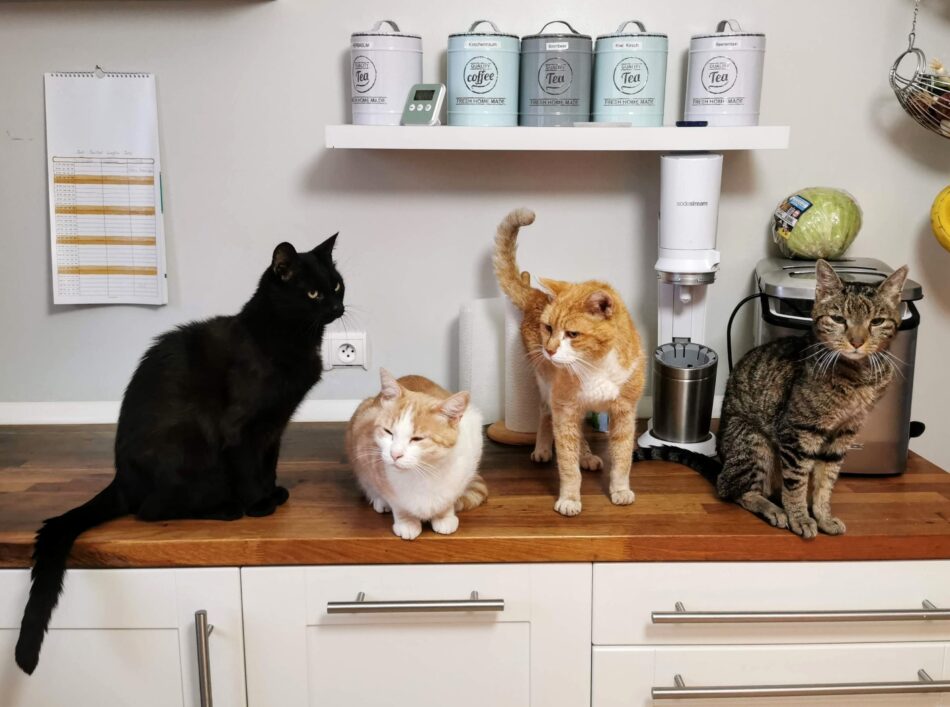
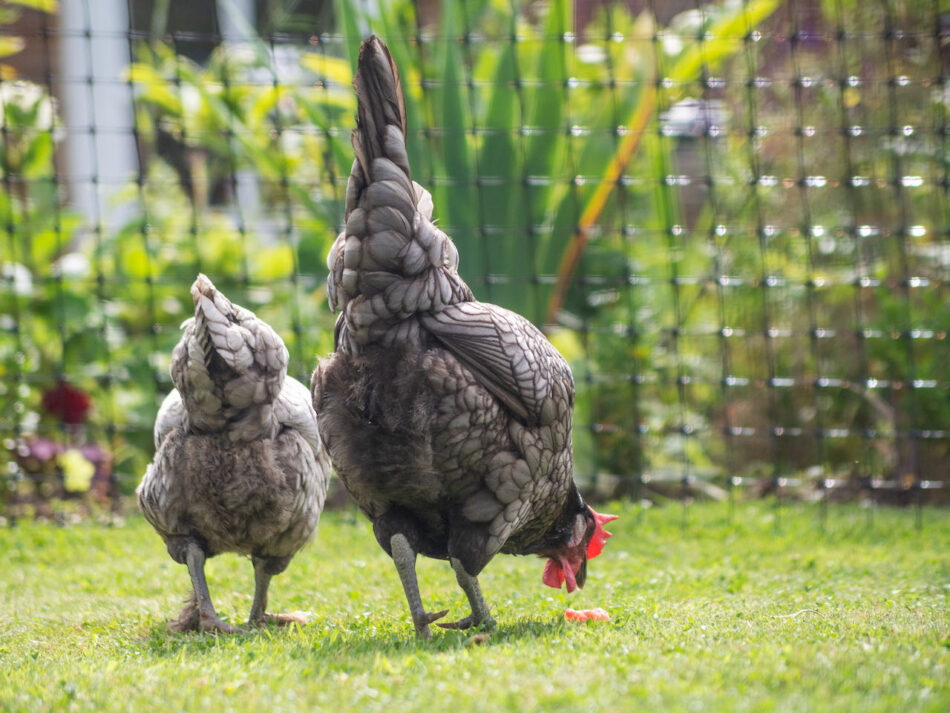 As the days get shorter, you might find that your chickens are not laying as much as they normally do. Egg production is partly regulated by daylight hours, and the more light the chickens see, the more eggs they will lay. Other factors that can affect the production are moulting, broodiness and your hens getting older.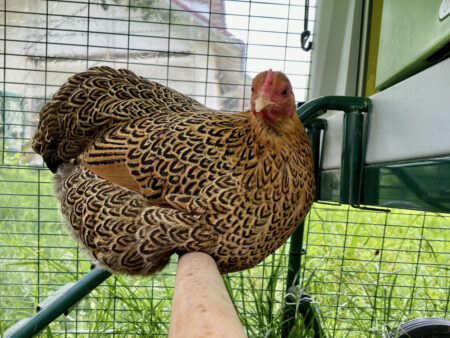
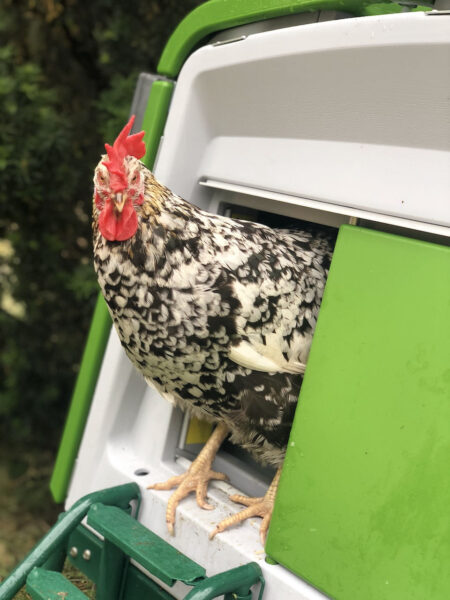
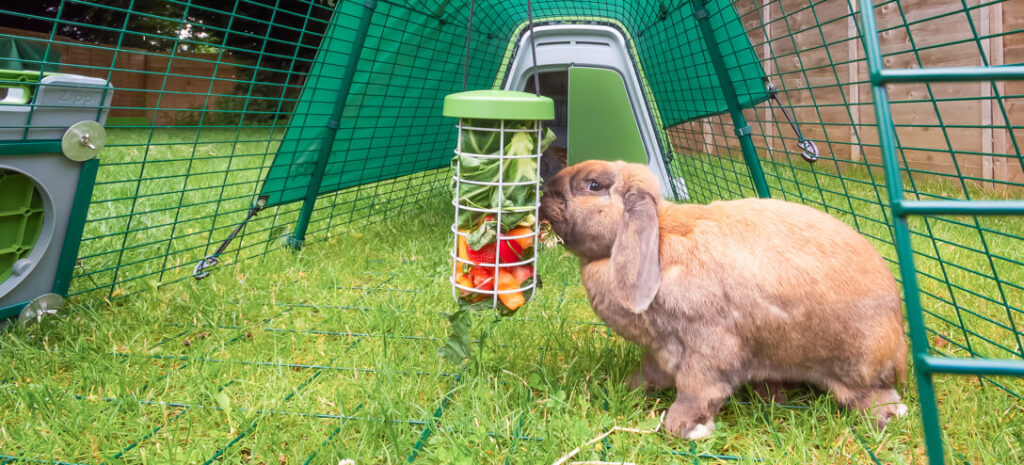
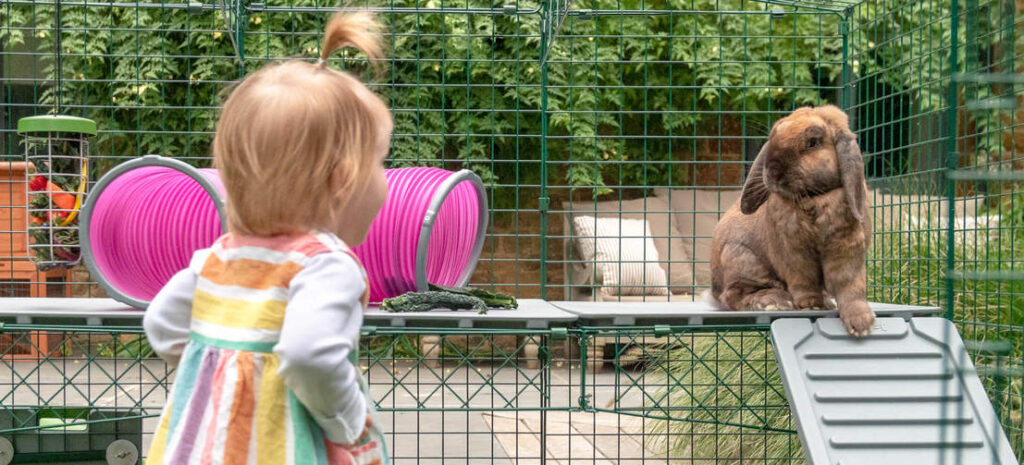
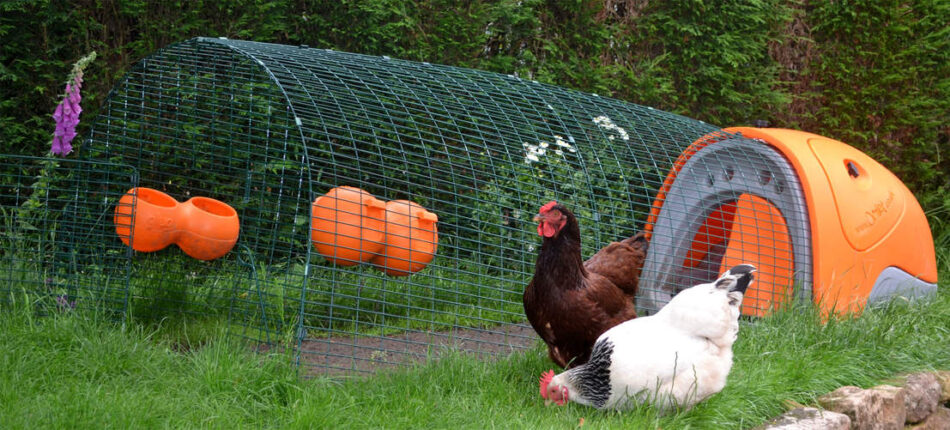
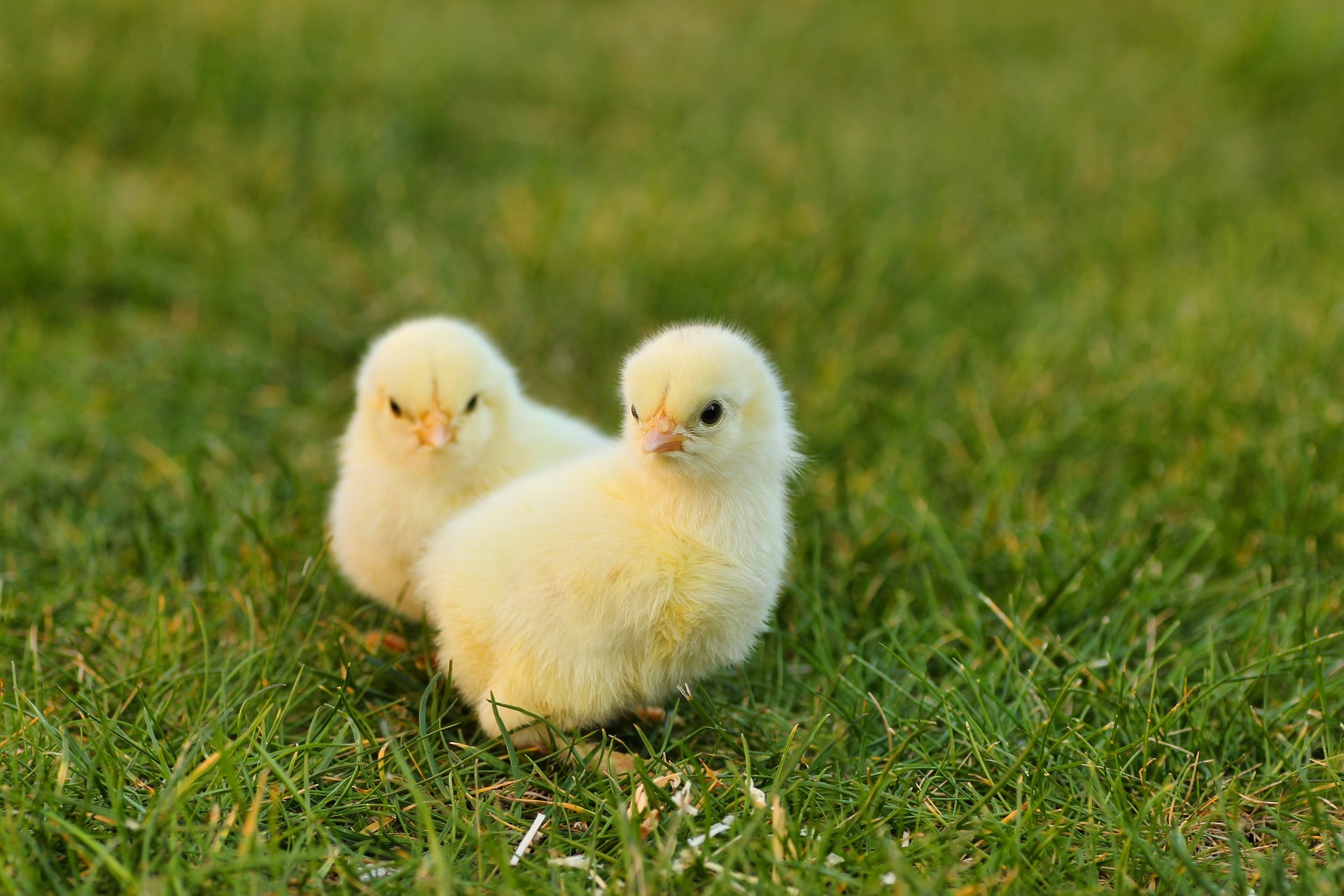
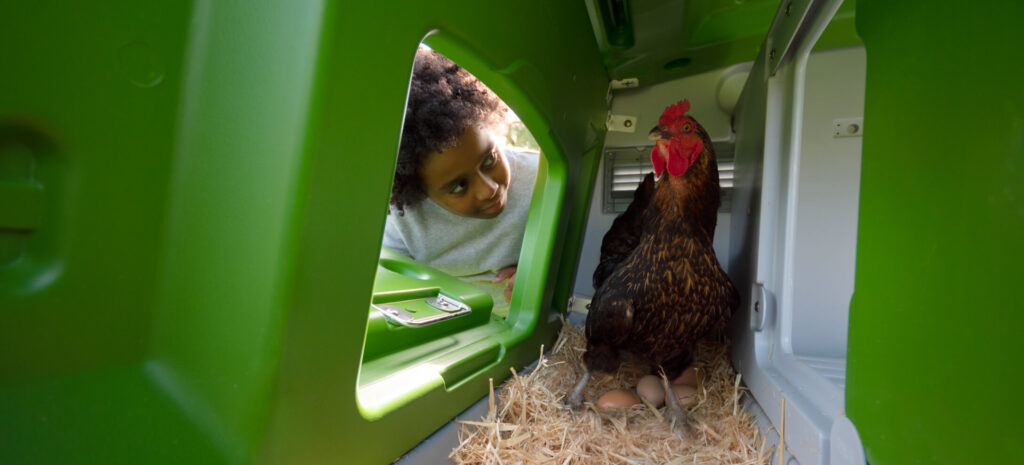
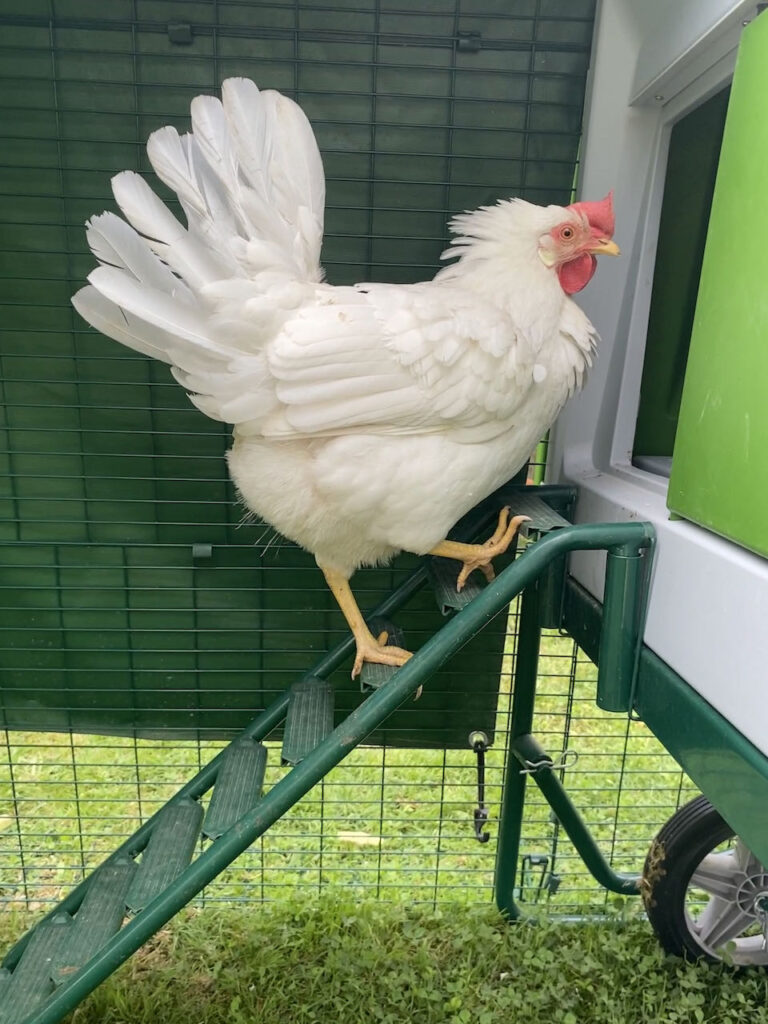
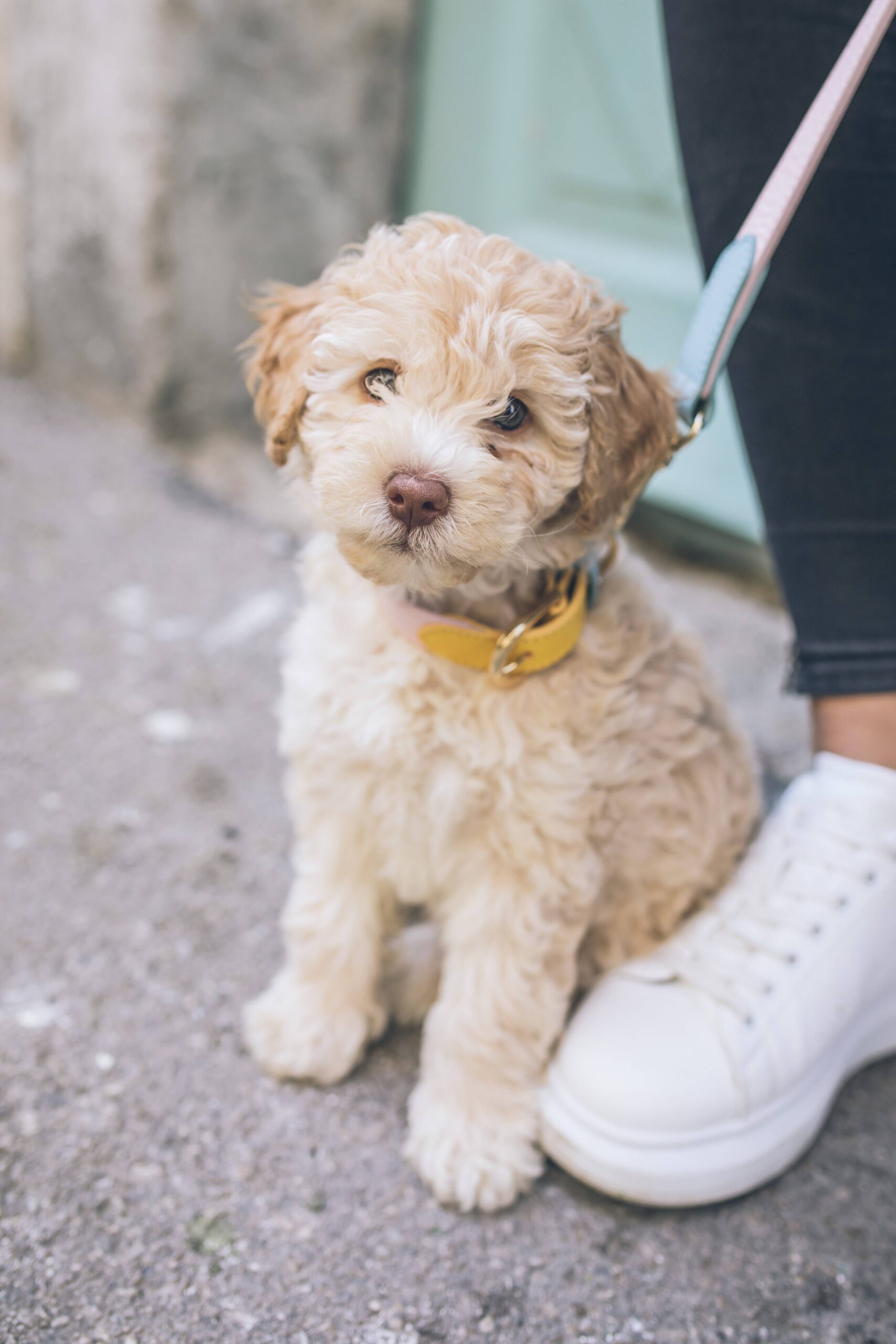

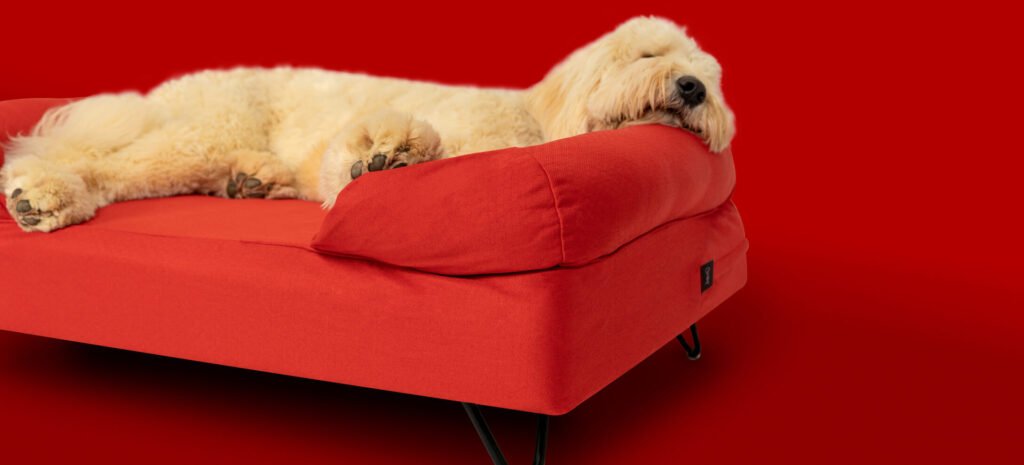
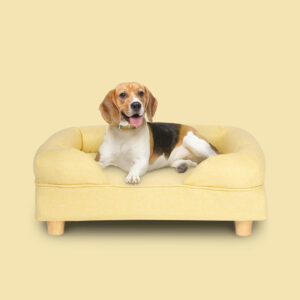
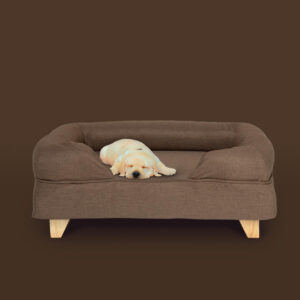


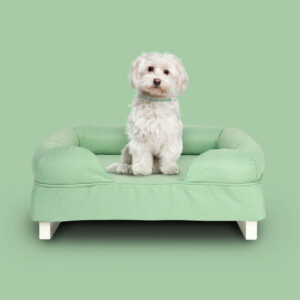
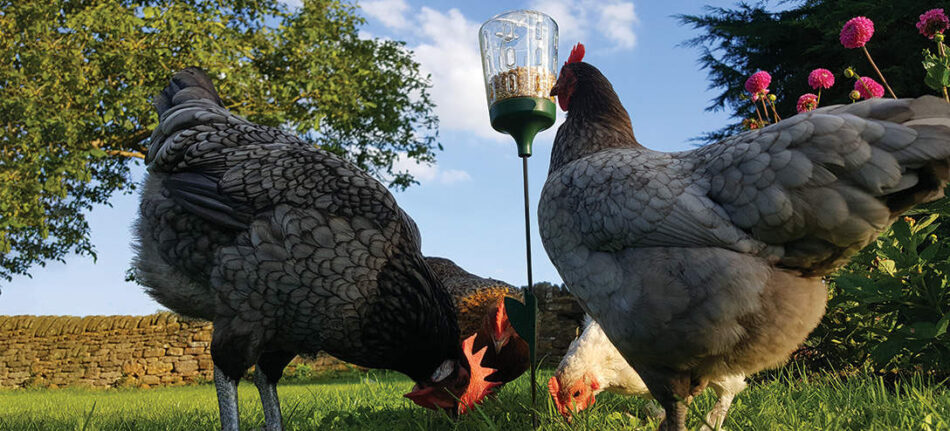
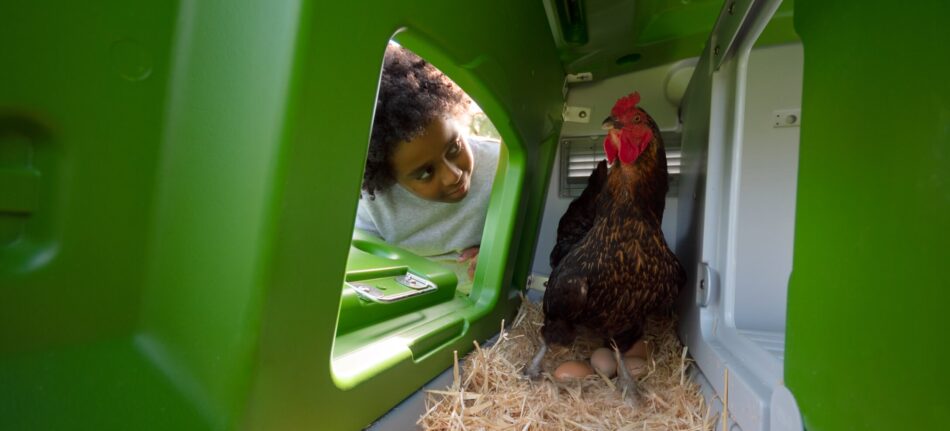
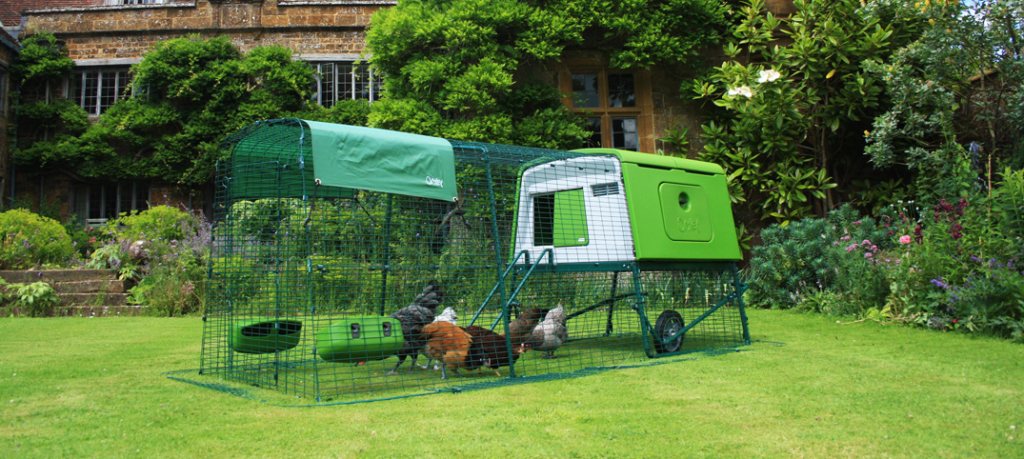 The metal chicken runs are designed to be used outdoors for years to come. However, we recommend that you check the run regularly for signs of corrosion, especially if you live somewhere with extreme weather conditions or close to the sea. Corrosion will occur if the coating has been scratched or scraped for example. If you do see some, remove any loose rust and touch up with a weather resistant paint.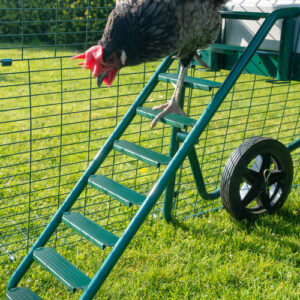
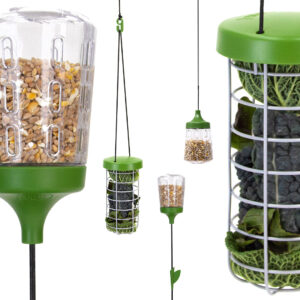
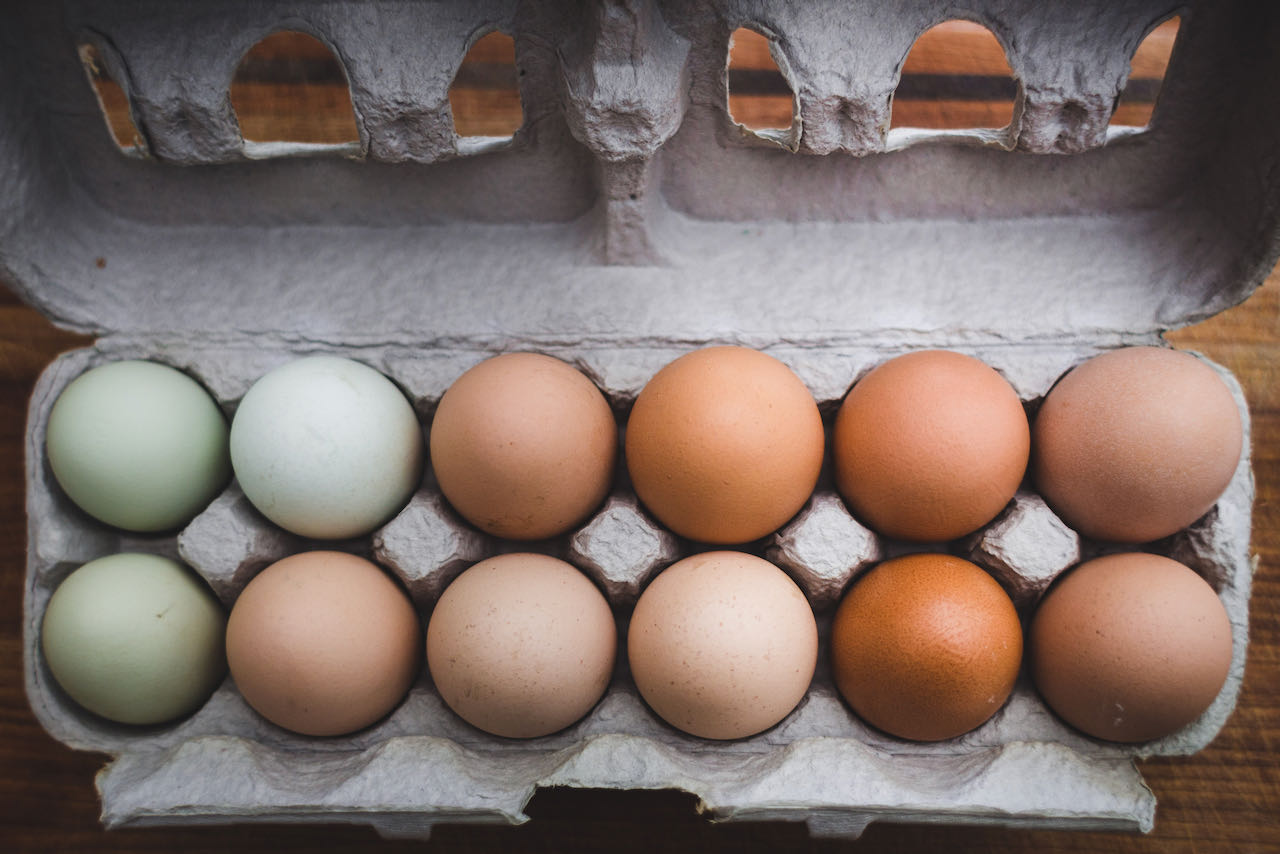 Chickens sometimes lay eggs that look nothing like a standard supermarket egg. Some are huge, some are tiny, some are ball-shaped, some are pointy, and some are soft-shelled. There are various reasons for these oddities.
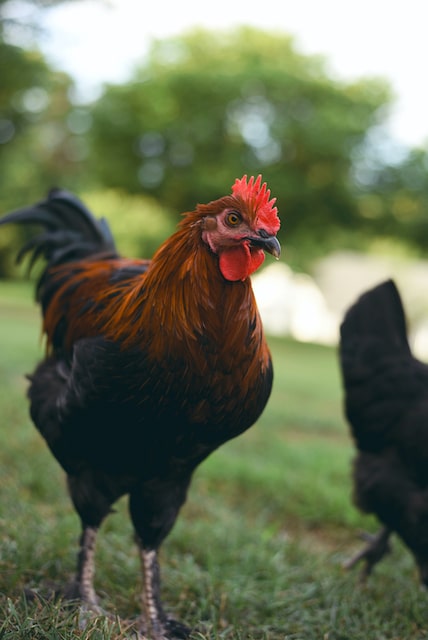 Are oddly-shaped chicken eggs a sign of illness?