 Free returns
 20% off Black Friday
 180-day guarantee
The Complete Guide to Rabbit Care
Rabbits are intelligent, active pets that need far more than a hutch, a food bowl, and the occasional cuddle. A happy rabbit has space to run, a secure place to rest, a healthy diet, daily interaction, and activities that support their natural instincts. Whether your rabbits live indoors or outdoors, the right routine helps them feel safe, healthy, and at home.
Before You Bring Rabbits Home
Rabbits can be wonderful companions, but they need daily care, a thoughtful setup, and a genuine long-term commitment. Planning their home, diet, vet care, and companionship before they arrive makes the transition calmer for everyone involved.
Lifespan, costs, and daily commitment
Rabbits can live for ten years or more, so welcoming one home is a significant responsibility. Before you bring rabbits home, it is worth budgeting honestly for what they need: a secure sleeping area, a spacious exercise space, hay, bedding, fresh food, toys, grooming supplies, and regular veterinary care. These costs add up, and they are ongoing rather than one-off.
Day-to-day care means refreshing hay and water, checking for any changes in appetite or behaviour, cleaning soiled areas, and spending quality time with your rabbits. It is worth remembering that their needs do not pause during weekends, busy seasons, or holidays, so reliable care arrangements are essential whenever you are away.
Choosing and bonding compatible rabbits
Rabbits are social animals, and most thrive with a compatible companion by their side. A neutered male paired with a spayed female is often one of the more straightforward combinations, though every rabbit has its own personality and there are no guarantees.
Bonding is the process of gradually building a trusting relationship between two rabbits so they choose to live together harmoniously. It takes time, patience, a neutral space for introductions, and careful supervision, particularly in the early stages when rabbits are most territorial. Once bonded, it is important to give both rabbits enough room, hiding places, food stations, and water sources so each one can relax, move freely, and feel secure. For more on the bonding process, the Omlet guide to introducing rabbits is a helpful starting point.
What Every Rabbit Needs to Thrive
Rabbits need constant access to hay, fresh water, daily movement, a clean living space, companionship, and gentle care. A predictable routine helps them feel secure and makes it much easier to notice when something is not quite right.
A balanced diet, daily care, and companionship
A healthy rabbit diet is made up of 85% to 90% good-quality grass hay, and must be available to them at all times. Timothy hay is the most common and recommended type of grass hay, but other solid choices include orchard, oat, and meadow hay. Alongside hay, rabbits benefit from a daily serving of pellets sized appropriately for their age, breed, and weight, as well as a variety of leafy greens to add nutritional variety and keep mealtimes interesting.
Small amounts of fruit work well as an occasional treat rather than a daily offering. The natural sugar content in fruit means it is best kept as a reward rather than a staple. You can find more detail on what rabbits can eat in the Omlet rabbit feeding guide.
Each day, take a moment to check that your rabbits are eating normally, drinking well, moving comfortably, and producing regular droppings. These small daily observations are often the first way to catch a health issue before it becomes serious.
Companionship is just as important as food and space. Spend quiet time at floor level so your rabbits can approach, investigate, and build trust at their own pace. Rabbits that feel safe around their owners are generally more relaxed, more active, and more rewarding to keep.
Fresh water, safe treats, and foods to avoid
Fresh, clean water should always be available. Many rabbits drink more readily from a bowl than a bottle, so it is worth experimenting to find what works best for yours. Place water in a shaded, easy-to-reach spot and check it more often during warm weather when rabbits need to stay well hydrated.
Leafy greens, fragrant herbs, and small pieces of rabbit-safe vegetables add welcome variety to meals. When introducing any new food, do it gradually and watch for changes in appetite or droppings that might suggest it does not agree with them.
Foods that should never be fed to rabbits include:
- Sugary or processed human food
- Rhubarb, onions, leeks, avocado, chives and garlic
- Dairy products
- Iceberg lettuce
- Nuts, seeds, and muesli mixes
This is not an exhaustive list. Always check that a food is safe for rabbits before introducing it to their diet.
Space Is a Necessity, Not a Luxury
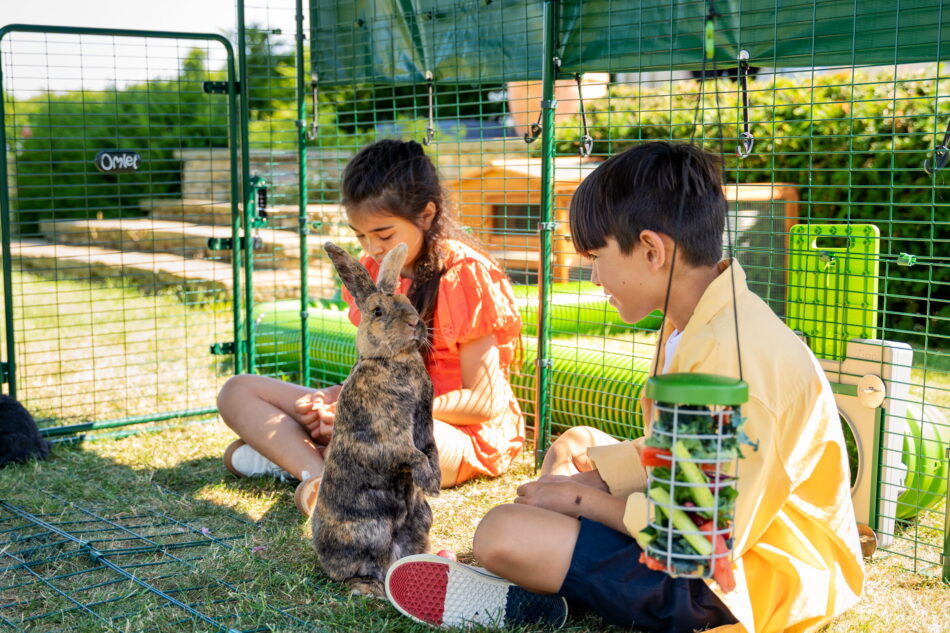
Rabbits need room to hop, stretch, stand upright, explore, and choose where they want to rest. More space supports healthy muscles, good digestion, confidence, and the full range of natural behaviours that make rabbits such entertaining animals to watch. A sleeping area is only one part of a rabbit’s home. Their setup also needs a secure exercise space they can use every single day.
Why room to hop, stretch, and explore matters
A rabbit that cannot take several full hops in a row, lie fully stretched out, or stand on its back legs without restriction is not living comfortably. Regular exercise keeps rabbits physically healthy and mentally engaged, and gives them an outlet for the zoomies, binkies, and exploratory behaviour that are natural signs of a happy, confident rabbit.
Space becomes even more important for bonded pairs. Two rabbits sharing a cramped environment will inevitably compete for resources and resting spots, which can create tension even between well-bonded companions. A larger setup gives both rabbits room to move away from each other, rest independently, and come together on their own terms.
The Zippi Rabbit Run creates a secure, adaptable space for daily exercise that can grow with your rabbits over time. The underfloor mesh prevents digging out, and the flexible panel system makes it straightforward to expand as your rabbits’ needs change.
Creating a safe outdoor rabbit habitat
Outdoor rabbits need a robust run, a sheltered sleeping area, shade, and reliable protection from predators. The best setups allow rabbits to move freely between their sleeping space and their exercise area 24/7 without needing to be handled or carried, which reduces stress and gives them genuine control over their own environment.
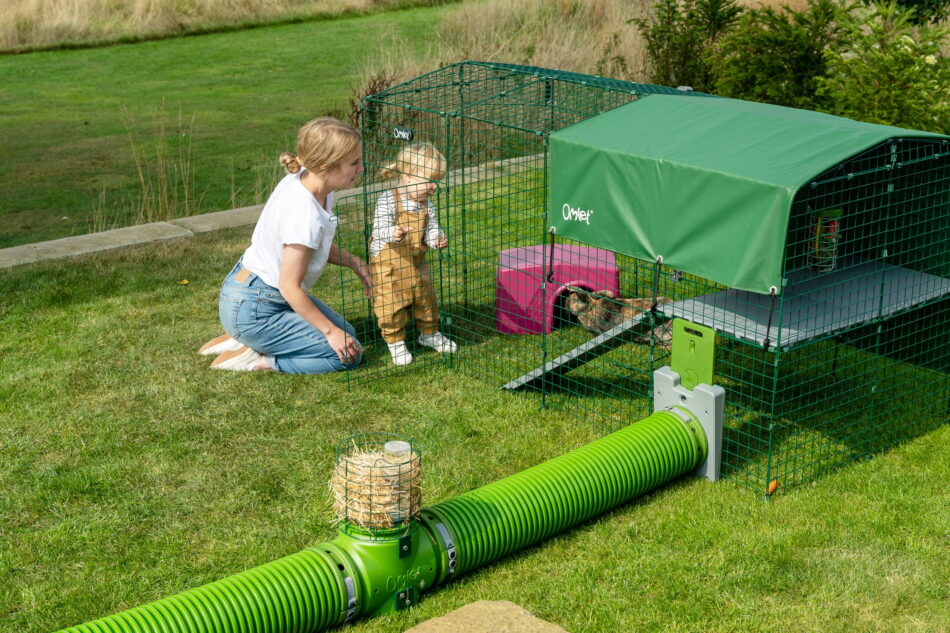
The Eglu Go Rabbit Hutch gives rabbits a sheltered, easy-to-clean place to sleep, while the Zippi Rabbit Run provides the space to explore, forage, and play. Together, they create a connected habitat that supports natural behaviour while keeping rabbits safe. Adding hay, water, shelters, and enrichment activities throughout the run helps the whole area feel like home rather than just a holding space.
Weather protection and predator safety
Year-round outdoor living is entirely achievable with the right setup, but it does require some thought about weather and security. In warm weather, rabbits need shade and plentiful water to stay cool. During colder, wetter months, dry bedding and good weather protection help rabbits stay comfortable without restricting their access to outdoor space.
Check outdoor housing regularly for weak points, gaps, damaged mesh, and signs of digging around the perimeter. Predators are persistent, and a setup that was secure last month may develop vulnerabilities over time. The Eglu Rabbit Weather Protection helps create a more sheltered environment while keeping rabbits connected to their outdoor run. Rabbits with very thick coats, underlying health conditions, or difficulty regulating their temperature may need extra monitoring during periods of extreme weather.
Enrichment Keeps Rabbits Healthy and Happy
Enrichment gives rabbits safe, satisfying ways to chew, dig, hide, run, forage, and investigate. A stimulating environment supports both physical health and mental wellbeing, and turns everyday rabbit care into a more active and rewarding routine for owners too.
Toys, tunnels, and activities for natural behaviours
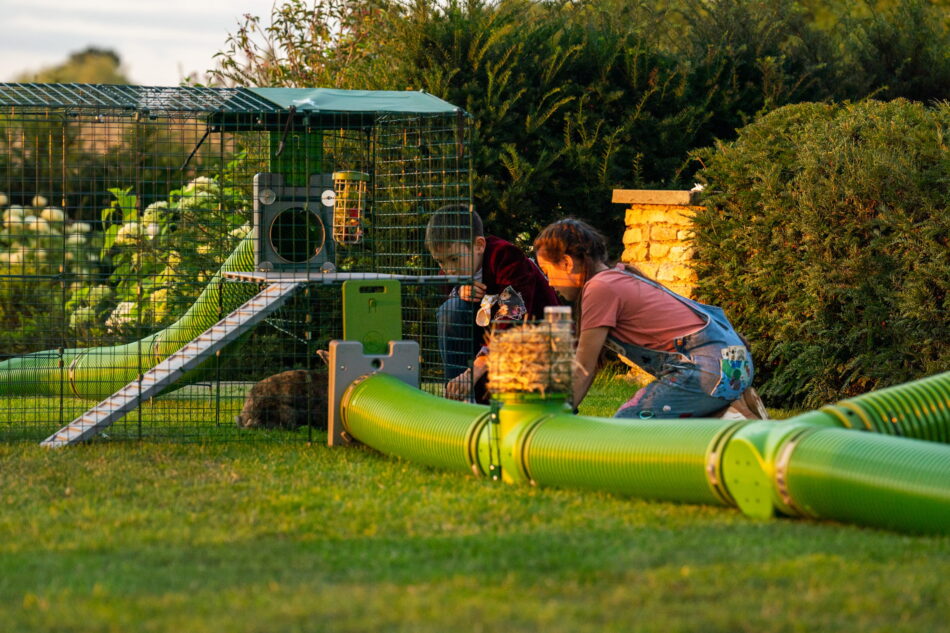
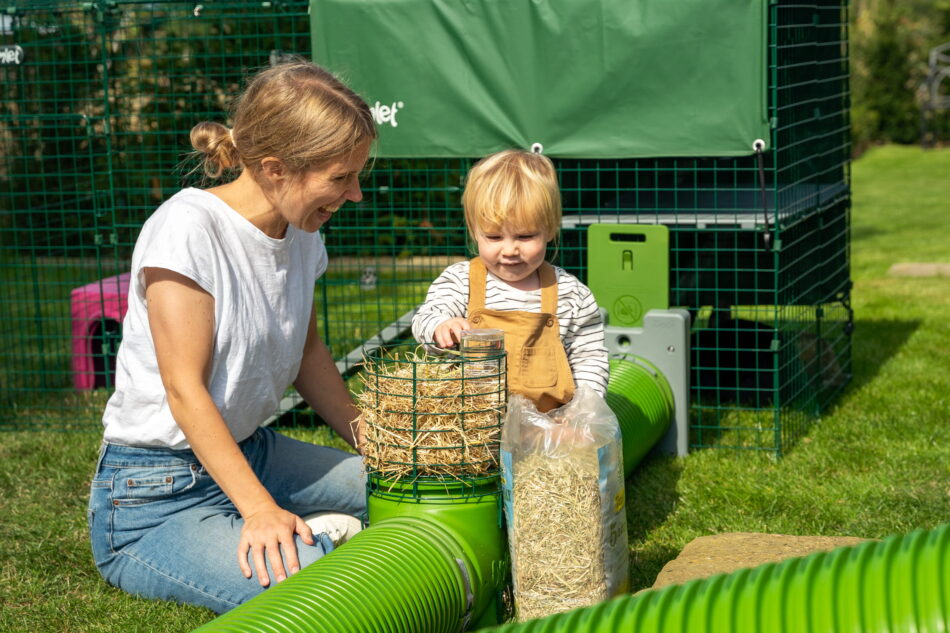
Tunnels are one of the most popular enrichment additions for good reason. Rabbits dart through them, hide inside them, and use them as a way to move between different areas of their space with a sense of purpose. The Zippi Rabbit Tunnel System connects different parts of the run and adds a fun new route for rabbits to explore, tapping into the burrowing instincts they share with their wild relatives.
Zippi Platforms and Ramps create raised spots to hop onto, rest on, and survey the surroundings from, which many rabbits find genuinely satisfying. Beyond purpose-built accessories, cardboard boxes, willow toys, hay-stuffed tubes, and rabbit-safe chew toys all encourage the kind of investigating and gnawing that comes naturally to rabbits. Scattering a small amount of leafy greens or herbs around the run turns feeding time into a foraging activity rather than a passive meal.
How to keep your rabbit mentally stimulated every day
Mental stimulation does not have to be complicated. Occasionally moving a tunnel, shelter, or toy to a new position gives rabbits something fresh to investigate without requiring any new equipment. Adding a Zippi Rabbit Shelter creates a quiet retreat and a new feature to explore, and hiding treats inside gives rabbits an extra reason to investigate it.
Rotating toys rather than filling the run with everything at once is a simple way to keep familiar items interesting. When something disappears for a few days and then reappears, it often captures a rabbit’s attention all over again. Over time, pay attention to what your rabbits gravitate towards most, whether that is climbing, tunnelling, hiding, or foraging, and use those preferences to shape a setup that genuinely suits them.
Rabbit Health Care and Grooming
Rabbits are good at concealing discomfort, which means small changes in routine, appetite, droppings, or behaviour deserve prompt attention. Regular grooming, daily health checks, and a relationship with the right vet are all essential parts of keeping rabbits well.
Finding a rabbit-savvy vet
It is worth finding a vet with genuine experience treating rabbits before an emergency arises rather than searching in a hurry when one does. Not all vets have the same level of rabbit knowledge, so asking specifically about their experience with rabbits, exotics, or small mammals is a reasonable question.
When you register, discuss routine health checks, spaying or neutering, parasite prevention, and any vaccinations recommended in your area. In Australia, advice can vary by region, but vaccination against Rabbit Haemorrhagic Disease (RHDV2) is strongly recommended for all pet rabbits. The approved vaccines are Cylap and Filavac, and your vet can advise on the right schedule for your rabbit’s age and location. Save your vet’s contact details and an emergency clinic number somewhere easy to find, and keep a note of each rabbit’s usual eating habits, weight, and energy levels so you can describe any changes clearly and quickly.
Teeth, nails, coat care, and neutering
Rabbit teeth grow continuously throughout their lives, which is one of the reasons hay is so important. The constant chewing action naturally wears teeth down, and rabbits with enough to gnaw on rarely need dental intervention. Safe chewing materials, such as willow sticks or untreated wooden toys, provide additional opportunities to keep teeth in good condition.
Check nails regularly and trim them when they become long enough to affect how your rabbit moves or rests. Rabbits with longer coats, such as Angoras or Lionheads, need frequent brushing, especially during moulting season when loose fur can be swallowed and cause digestive problems. You can find more on rabbit grooming in the Omlet guide.
Spaying or neutering supports easier bonding, reduces the risk of certain cancers, and prevents unplanned litters. Discuss the right timing with your vet based on your rabbit’s breed and age. It is also important to keep the fur around your rabbit’s bottom clean and dry, particularly in warm weather, to reduce the risk of flystrike.
What is flystrike? Flystrike, also called myiasis, is a potentially fatal condition where flies lay eggs on a rabbit’s skin, usually around a soiled or damp bottom, and the hatched larvae begin feeding on the surrounding tissue. It can develop rapidly and requires immediate veterinary attention. In Australia’s warm climate, the risk is present for much of the year, so checking your rabbit’s rear daily is a simple habit that can be lifesaving.
Warning signs that need urgent care
Because rabbits hide illness so effectively, knowing what to look for is genuinely important. Contact a rabbit-savvy vet quickly if your rabbit:
- Stops eating or drinking
- Produces very few or no droppings
- Seems unusually quiet or withdrawn
- Struggles to move normally
- Shows sudden changes in breathing, balance, posture, or body temperature
Never wait to see whether a rabbit improves after refusing food. Digestive problems in rabbits can worsen very quickly, and early intervention makes a significant difference to outcomes. Checking your rabbits every day is the most reliable way to catch changes before they become emergencies.
Cleaning and Daily Rabbit Care
A clean rabbit home supports health, comfort, and a calmer environment for both rabbits and the people who care for them. Small daily tasks make weekly cleaning quicker and give you a natural opportunity to check on your rabbits at the same time.
A simple daily care routine
A good daily routine does not need to take long, but it does need to happen consistently. Each day, refresh hay and water, then remove any soiled bedding or uneaten fresh food before it has a chance to attract insects or grow mould. Spot-clean the litter area and check for wet patches in the sleeping space.
While you are doing this, spend a moment watching your rabbits. Check that they are eating, moving normally, and producing regular droppings, and look for any changes in their coat, eyes, nose, or posture. Before you leave them for the day, check that all doors, run panels, tunnels, and shelters are secure.
Weekly cleaning and habitat checks
Once a week, go further. Replace bedding, refresh litter areas, and wash food and water bowls thoroughly. Clean the sleeping area and inspect the run for damage, sharp edges, weak spots, or any gaps that a determined predator could exploit.
The smooth, wipe-clean plastic surfaces of the Eglu Go Rabbit Hutch make deeper cleans straightforward and quick. Unlike wooden hutches, there is no maintenance, no painting, and no worrying about the structure deteriorating over time. Wash toys and accessories when needed, then rotate a few items back into the run to give the space a fresh feel. If your rabbits are outgrowing their run or competing for favourite spots, it is a good moment to consider adding more space or an extra sheltered area.
How Omlet Helps You Create a Better Rabbit Home
Omlet products are designed to work together, creating a rabbit setup that supports daily exercise, safe rest, weather protection, and natural enrichment all in one connected space. Rather than a hutch in isolation, the goal is a habitat that gives rabbits the freedom to move, play, eat, and relax in ways that feel genuinely natural.
Spacious rabbit runs for daily exercise
The Zippi Rabbit Run gives rabbits a secure, adaptable place to hop, stretch, and enjoy daily activity. Flexible panels make it easy to build a run that suits your garden and expand it as your rabbits grow. Add Zippi Platforms and Ramps, the Zippi Tunnel System, and Zippi Shelters to make every part of the run more engaging and more comfortable.
Secure housing for comfort and protection
The Eglu Go Rabbit Hutch provides a sheltered sleeping area designed for easy cleaning and year-round comfort. Pair it with a Zippi Rabbit Run so rabbits have a safe home base and a separate space to exercise freely. For rainy, windy, or cooler days, adding Eglu Rabbit Weather Protection creates extra shelter without limiting your rabbits’ connection to their outdoor space.
Enrichment products for happier rabbits
The Caddi Rabbit Treat Holder keeps fresh greens off the ground and turns feeding into a more engaging, foraging-style activity. Combined with tunnels, platforms, and shelters, it helps build a rabbit home that stays interesting every day rather than one that rabbits quickly stop engaging with.
Every rabbit deserves a home that makes room for big hops, peaceful naps, curious exploring, and time with a companion. A connected Eglu Go Rabbit Hutch and Zippi Rabbit Run gives your rabbits a secure place to rest, exercise, and enjoy life at their own pace.
Key Takeaways
- Rabbits are a long-term commitment that need daily care, a thoughtful setup, and genuine attention to their physical and social needs.
- Hay should make up the majority of a rabbit’s diet, supported by pellets, leafy greens, and fresh water available at all times.
- Space is not optional. Rabbits need room to run, stretch, forage, rest, and spend time with a compatible companion.
- A secure hutch and spacious run help protect rabbits while giving them the freedom to move between sleeping and exercise areas on their own terms.
- Tunnels, platforms, shelters, and foraging activities keep rabbits active and mentally stimulated throughout the day.
- Daily health checks, regular grooming, clean housing, and a rabbit-savvy vet are all essential parts of responsible rabbit care.
This entry was posted in Rabbits