Nathalie is the owner of the Instagram account My Backyard Paradise. Together with her husband and their three teenage daughters she runs her own ‘mini backyard farm’ in Belgium. The beautiful pictures she shares with her Instagram followers show that this truly is a backyard paradise. In June 2018 Nathalie decided to extend her mini farm with three ex-battery hens. Follow their journey to recovery in the two-part photo diary she kept for us.
A laying hen, one that can lay up to 300 eggs a year, is what we were missing. During autumn, our purebred chickens don’t lay any eggs for a long time. They instead take spend their time and energy renewing their plumage and waiting for the days to get longer again. Last year we didn’t have any eggs for over 3 months despite having more than ten hens! We decided that if we wanted fresh eggs during autumn, we had to buy laying hens.
We always buy our new chickens from a smaller trader or a hobby breeder, so we can actually see the chickens and know they have access to grass, clean water and decent housing. But we like the idea of rescuing a few laying hens destined for slaughter by giving them a good life in our garden. The life of battery hens ends after just sixteen months. Their bodies need time to recover and their egg production will stop. This means a loss for the industry. Besides that, after each moult the egg production will drop, and the industry does not accept that!
So that’s what we did. First thing to do was find a place where you can rescue commercial laying hens from slaughter. The first option we came across was www.redeenlegkip.be (‘Save a battery hen’), a Belgian website where you can buy or adopt a laying hen. If you decide to adopt a hen, you’ll pay a monthly contribution of €5 and get 24 egg per month in return. When you adopt or buy a chicken, the organization ensures the chickens are collected from the companies and given appropriate first aid. However, we wanted to experience this ourselves. After continuing my search, I came across another Belgian website www.lespoulesheureuses.org (recently also available in France). They give you the opportunity to collect the chickens yourself, so you’ll know the address and code (the one you can find on the egg) of the company.
We then had to wait for the right weather. The best time to save a laying hen is when you can give her the ideal conditions to recover. They often don’t have many feathers left and have probably never been outside their barn, where the temperature is always at least 18 degrees! They’ve never seen rain and you should also be careful with draught and wind. You don’t want them to get ill, they have experienced more than enough stress already.
Week 1
On June 16th 2018, it is finally happening. I reserved three Isa Brown chickens from a code 2 company. Code 2 means the eggs from this company are sold as free-range eggs. Sounds good, you might think…
Free-range eggs from the commercial industry come from chickens that only have access to barns. They have perches, nesting boxes and scratching areas with some straw on the floor. There is a maximum of nine chickens per square meter and debeaking is allowed. This is probably not what most of us have in mind when we think of free-range chickens…
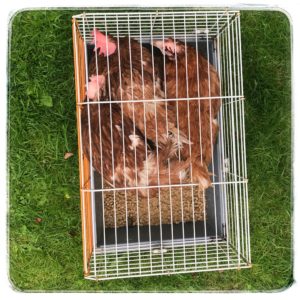
My youngest nine-year-old daughter is joining me on my way to pick up the chickens. I tell her in advance that the chickens will be in a bad shape and will look nothing like the chickens we have at home, that she isn’t allowed to pick them up and cuddle them, and that we have to take care of them first. We are not the only ones here today to buy chickens. An older couple buys two chickens and there is someone with a trailer with 50 chicken cages. People keep on coming. We ask a staff member if we can have three chickens. He looks at my daughter first before turning around to get them for us.Of course, we are not allowed in the barns, we’re not even allowed to take a picture. The chickens we get are in a much better condition than the ones the older couple got, ours still have a lot of feathers. Maybe I shouldn’t have taken my daughter with me, to get a more honest impression of the condition of an average laying hen. The man probably had our daughter in mind when he chose our chickens. After paying €3 per chicken, the life these chickens deserve can finally begin. At home everything is ready for them. After driving 10 minutes, my daughter and I look at each other. It’s smelly in the car. And it’s a strange smell, not like normal chicken manure, but a chemical, unnatural smell. The chickens are quiet, I hope they will survive the one hour drive home…
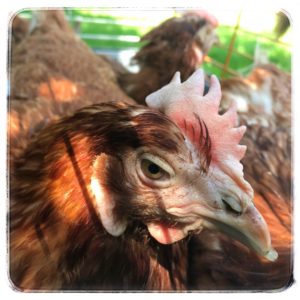
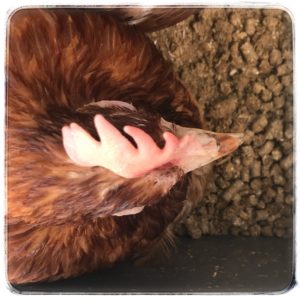
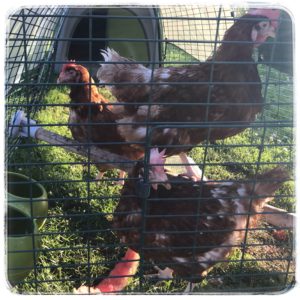
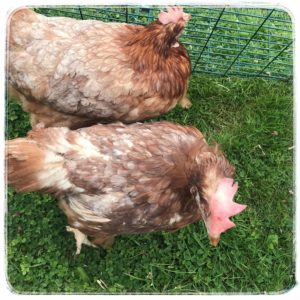
When we get home, we inspect them carefully. They seem numb, or are they frozen with fear? They still have lots of feathers, but they are dull and not shiny like the feathers of a healthy chicken. Their feathers are tangled and the tail feathers don’t look good at all. Their gaze is blank and their comb is very pale. Their toenails are way too long and curly, and there is manure stuck under them. Clearly, they haven’t been able to scratch around that much. The beaks of our chickens have been trimmed. This means the top of the beak has been cut off when they were only ten days old. This is very painful and is done to prevent feather pecking. Chickens do this when they are stressed, for example due to limited foraging opportunities.
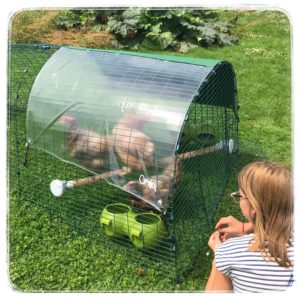
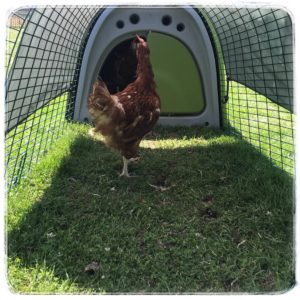
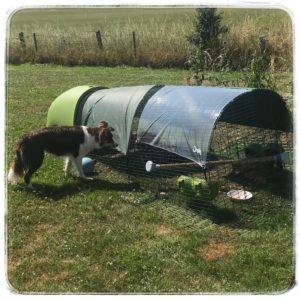
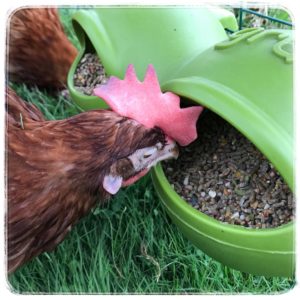
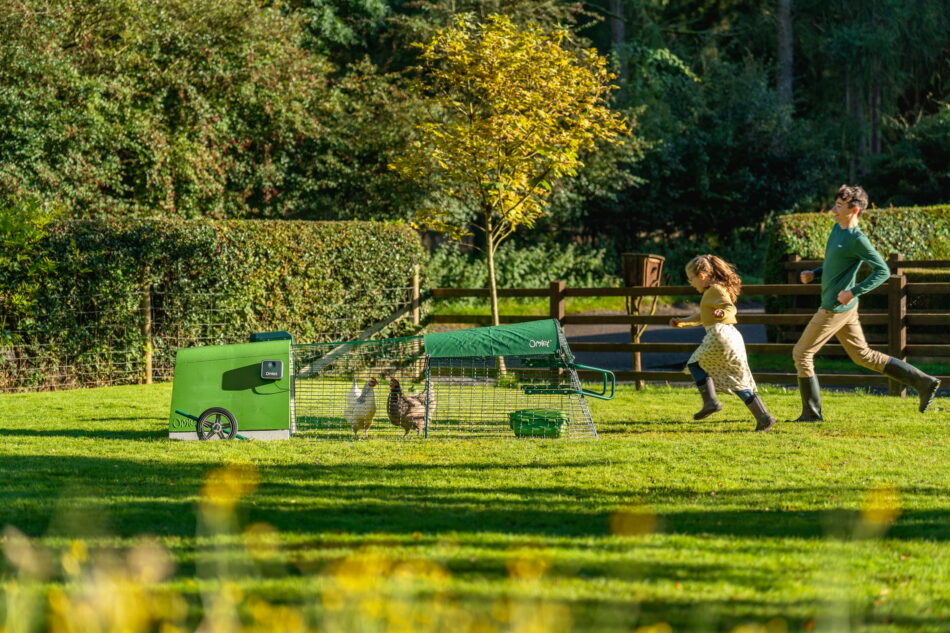
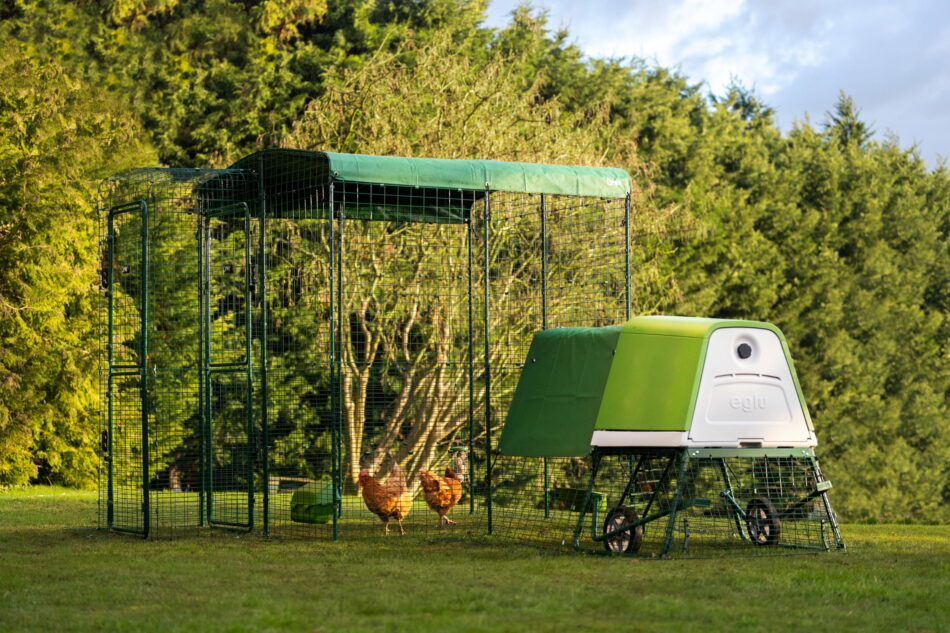
It’s time to treat them against parasites such as lice and worms. We use Diatom Earth, a natural product used against all kinds of parasites. They need to be quarantined first. For this, we give them a temporary home in our Eglu Classic from Omlet. It has a 2 meter run and we can easily move it around in the garden so they have access to fresh grass every day. It’s also very easy to clean. We lift the chickens out of their cage and watch carefully how their feet touch the grass for the very first time. They seem surprised and for a few minutes they just stand still, until one hen realizes she can, and is allowed to, move. Slowly but surely, they cautiously start to explore their run. While the children are watching the chickens, I add the first dose of medication to their drinking water. We use Avimite, a product against lice and mites. The first week they need this on a daily basis, then weekly for the next five weeks. They soon find their water and it looks like they haven’t had any for days. Usually we don’t feed our chickens layers pellets so I had to buy them, because this is the only thing our new chickens have ever had. In the evening we help the chickens into their Eglu where they can safely spend the night.
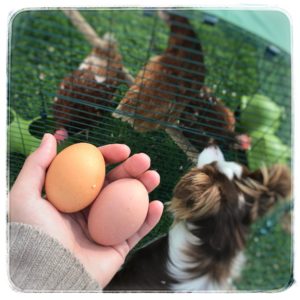
When I open the coop the next morning they don’t want to come out. After an hour we get them out of their coop and notice they have already laid three eggs, one in the nesting box and two on the roosting bars. Because of the medication, we cannot eat their eggs for the next few weeks. Sad, but we just don’t want to take any risk. We have to discard them.
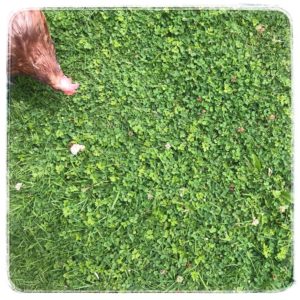
The rest of the day the chickens sit outside. They eat clover and grass for the first time and seem to realize this is not bad at all. The second and third night we have to help them into their Eglu, but from then on they finally realize that this is their new home. In the morning they come outside when I open the door and after a few days they only use the nest box to lay their eggs. Their eyes are getting brighter and they start to establish the pecking order. They are more lively than the first few days, but still nothing compared to our other chickens. Although they aren’t afraid anymore when we come near, they don’t allow us to touch them. This is hard for the children who want to cuddle them to make them forget their past. But the chickens first have to get used to their new environment, to us, and to their new life.
Week 2
We only have to repeat the red mite treatment once a week now and we can start with the deworming. This treatment, which they need five days in a row, can also be added to their drinking water. The hens give us two to three eggs every day. It’s now time to gradually change their diet. They are used to their new home, they’re not scared anymore when we come near or when our dog wants to sniff at them. They clearly defined their pecking order. We want the very best for our animals, and this also includes a rich and varied diet. Our chickens get Garvo but our 3 laying hens need something extra, a mineral and vitamin boost. We give them Alfamix, a very rich grain mixture with pellets and amphipods. But when I mix this with their layer pellets, I notice that they only eat their pellets and not the new food. They do eat a lot of grass and clover. Slowly but surely their combs are getting redder.
During the weekend, our youngest daughter decides it is time for them to free range in the garden. They love it, and really enjoy the dust baths. But trying to get them back into their Eglu is less enjoyable. Finally they decide to go back into their home. Our daughter has learnt that they are not ready to discover the great outdoors just yet…
Come back in a couple of weeks time to read part two of the diary!
Thinking about keeping backyard chickens for the first time? You’re not alone. With so much information out there, it can feel overwhelming to know where to start. That’s why we’ve created this easy-to-follow chicken checklist, designed to help you confidently set up your flock. We’ll cover everything you need to know about choosing the right chicken coop, run, enrichment, weatherproofing, feed, bedding, and cleaning. Let’s make your chicken-keeping journey simple and enjoyable.
Chicken Coops for Beginners
Your chicken coop is the heart of your flock’s home. The right coop depends on how many chickens you plan to keep, but there are a few essentials every beginner should look for:
Easy to clean
Durable and weatherproof
Predator-resistant
Plastic chicken coops are a fantastic choice for beginners. They’re simple to clean, don’t harbour red mites like wooden coops, and offer excellent weather protection. Wooden coops, while traditional, require frequent maintenance, are not waterproof, and often become breeding grounds for mites.
If you’re just starting out, the Omlet Eglu is ideal. The Eglu Go and Eglu Go UP are perfect for 2 to 4 chickens, making them great for small flocks. These coops can be cleaned in just five minutes, keep your hens safe, warm, and dry, and require zero maintenance. If you think you might want to expand your flock in the future (and trust us, “chicken math” is real), consider the Eglu Cube, which houses up to 6 large hens, or the Eglu Pro, which can accommodate up to 10.
All Omlet coops come with pull-out droppings trays, nesting areas, roosting bars, and a back door for easy access. The Eglu Cube and Eglu Pro also feature separate Egg-port doors for even easier daily egg collection.
Chicken Coop Runs
A secure chicken run is just as important as the coop itself. Your run should be made from strong materials to keep predators out and provide enough space for your chickens to roam.
Omlet’s attachable coop runs are designed with anti-tunnel skirts to stop predators from digging in, and strong steel mesh that prevents break-ins. These runs are extendable, so you can add more space as your flock grows.
For even more room, consider a walk-in chicken run. These runs are tall enough for you to enter, making it easy to spend time with your chickens and clean the space. You can place your Eglu or a wooden coop inside, or attach your Eglu to the outside.
If you want your chickens to free-range but still keep them in a specific area, chicken fencing is a great solution. While not predator-proof, it helps protect your garden and keeps chickens where you want them. Use fencing when you’re at home to supervise your flock.
Chicken Enrichment
Chickens are curious and intelligent creatures that need enrichment to stay happy and healthy. Without stimulation, they can become bored or develop unwanted behaviours.
Here are some enrichment ideas for your flock:
Perches: Chickens love to roost and feel safe when elevated. Add perches at different heights in the run.
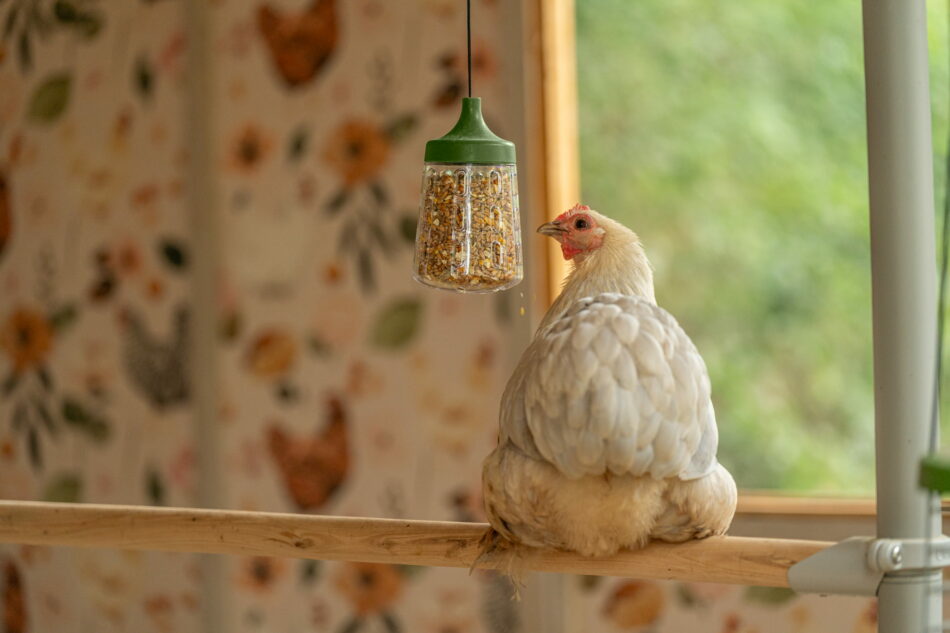
Peck toys: These toys slowly release treats as chickens peck, keeping them entertained and the run tidy.
PoleTree chicken perch: For larger runs, a PoleTree offers perches all the way up to the roof, creating a fun playground.
Hay bales: Toss a bale of hay into the run and watch your chickens forage for bugs and pick it apart.
Chicken swing: Give your flock a new perspective and a fun place to perch.
Enrichment not only keeps your chickens busy but also encourages natural behaviours and reduces stress.
How to Weatherproof a Chicken Coop
Protecting your chickens from the elements is essential for their health. Moisture inside the coop can lead to respiratory problems, so choosing a weatherproof coop like an Eglu is important. Wooden coops tend to absorb moisture and can start to leak over time.
To keep your chickens comfortable year-round:
Use run covers to shield your flock from snow, wind, and rain, allowing them to explore outside in any weather.
In spring and summer, provide shade by adding covers over the run to block the sun and keep your chickens cool.
What Chicken Feed Is Best?
Feeding your chickens the right diet is key to their health and egg production. Laying hens need layer pellets, which contain the protein and nutrients they require.
Offer about 120g of pellets per chicken per day.
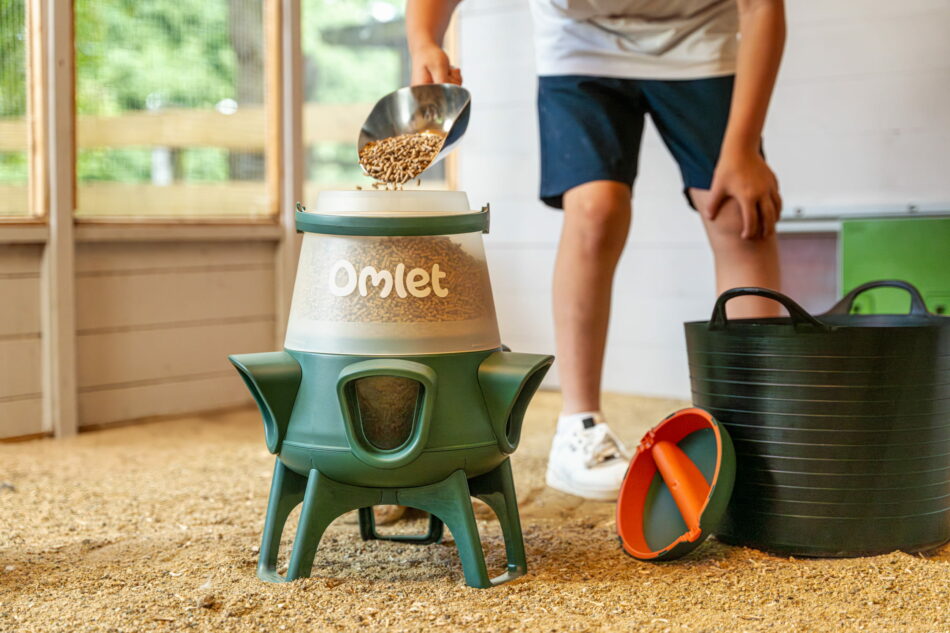
Use a feeder with a viewing window so you can easily monitor feed levels and ensure your chickens always have access to food.
Chickens are messy eaters so use a no spill chicken feeder to keep your run clean and prevent waste.
Provide poultry grit to aid digestion, as chickens don’t have teeth.
Treats like corn are fine in moderation but are high in fat.
Offer fruit and green veggies sparingly so your chickens don’t fill up on these instead of pellets.
Water is essential. Each chicken should drink about a pint of water daily. Check and refill their waterer regularly. In winter, check for ice several times a day. In summer, make sure the water stays cool, or use an insulated waterer to keep water at the right temperature all year round.
What Is the Best Chicken Bedding?
Choosing the right bedding helps keep your chickens comfortable and healthy.
Dust-extracted pine wood shavings are popular for their absorbency and insulation.
Chopped straw is another comfortable option.
Avoid hay, as it can become mouldy.
Avoid cedar shavings, which are toxic to chickens.
Steer clear of sawdust and fine wood dust, which can harm respiratory health.
Add extra bedding in winter to help your flock stay warm.
How Do You Clean a Chicken Coop?
Regular cleaning keeps your chickens healthy and your coop fresh.
Empty out droppings, spot clean the nesting area, and brush off roosting bars at least once a week.
Do a deep clean once a month: scrub and wipe down every surface, and let the coop dry completely before adding fresh bedding. Plastic coops wipe down and dry off much quicker than wooden coops, making them an attractive choice for ease and speed.
Use a natural cleaner like a white vinegar and water solution, or a chicken-safe disinfectant.
Scrub brushes are helpful for loosening stubborn dirt and droppings.
Clean feeders and waterers weekly or each time you refill them. Some waterers can fill with dirt quickly and need cleaning every day. Opt for a stay clean chicken waterer so you don’t have to worry.
Keeping up with cleaning not only benefits your chickens but also makes your chicken-keeping experience more enjoyable.
Use dust-extracted pine wood shavings or chopped straw for bedding.
Stock up on chicken-safe cleaning supplies to keep the coop fresh.
Omlet and Your Flock
At Omlet, we have everything you need to start your chicken-keeping journey, from coops and runs to enrichment toys and cleaning supplies. Our range of accessories will keep your chickens happy and healthy, and we’re here to support you at every stage of your chicken-keeping adventure.
Get 10% off EVERYTHING online until the 24th of March. Treat your pup to a new doggy den, start your chicken keeping journey with an Eglu or build your rabbit their dream warren with the Zippi Tunnels – now all with 10% off.
10% off promotion is only valid from 08/03/19 – midnight on 24/03/19 ACT. No promo code required. Subject to availability. Omlet ltd. reserves the right to withdraw the offer at any point. The discount cannot be transferred to delivery or courses. Excludes delivery. Offer is only valid on full priced items and cannot be used on existing discounts or in conjunction with any other offer.
Try something new for your pup and treat them to this dog-friendly pancake recipe with all the trimmings. This is also a delicious, healthy option for humans, too!
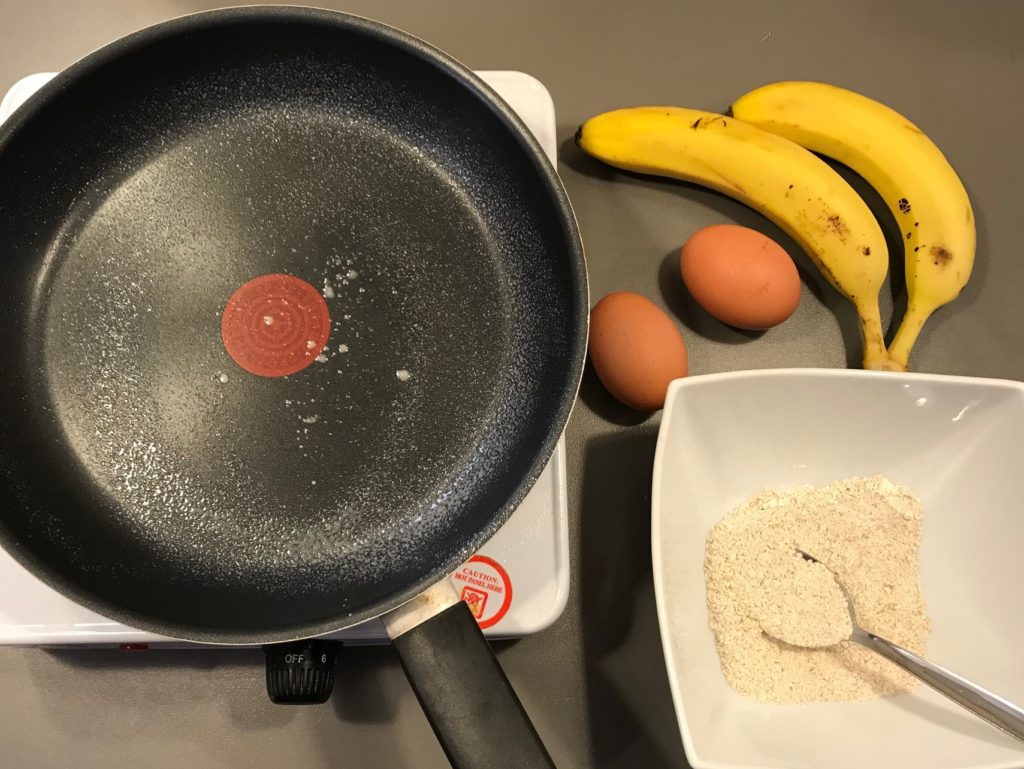
All you need for the pancakes are –
2 eggs
2 ripe bananas
1 tablespoon of flour
Coconut oil spray for frying pan
Eggs are a great source of protein for dogs, and are full of vitamins which can benefit their diet. Bananas are also rich in vitamins and minerals, and they also help boost your dog’s immune system and skin health.
Mash up the bananas in a bowl or food processor. Add the eggs and mix. Thicken with flour until the mixture forms a batter-like texture. Spray the frying pan with Coconut Oil Spray on a medium temperature. Add a tablespoon of the mix into the frying pan and cook for 2-3 minutes. Flip and cook the other side. Allow the pancakes to cool before giving to your dog.
Suggested toppings for your dog’s pancakes –
More bananas!
Greek yoghurt
Peanut butter (check there is no xylitol in ingredients)
Blueberries
Strawberries
Apple
Cottage cheese
Small cubes of cheddar cheese
Their own treats!
Flipping fantastic! Join the fun on Instagram and tag us in videos of your dog attempting to catch their pancake using the hashtag #FlippingFido.
Remember dogs should only have treats in moderation so consider the portion which is appropriate for the size of your dog to avoid overfeeding.
Cats and dogs (and humans) make noises to show others how they feel, want or don’t like. Rabbits do as well, but they mainly use body language to communicate with other rabbits, and with us. You will most likely be unable to understand everything your rabbit is trying to tell you, but by learning a few things about rabbit body language, you’ll be able to make life a little bit better for your pet.
Loss of postures and vocalizations can mean several things depending on the situation and can differ somewhat from rabbit to rabbit. It is therefore important to be able to take in accompanying signals that help you see what’s going on. Here’s how you can read the body language of a rabbit.
Your rabbit’s ear and nose
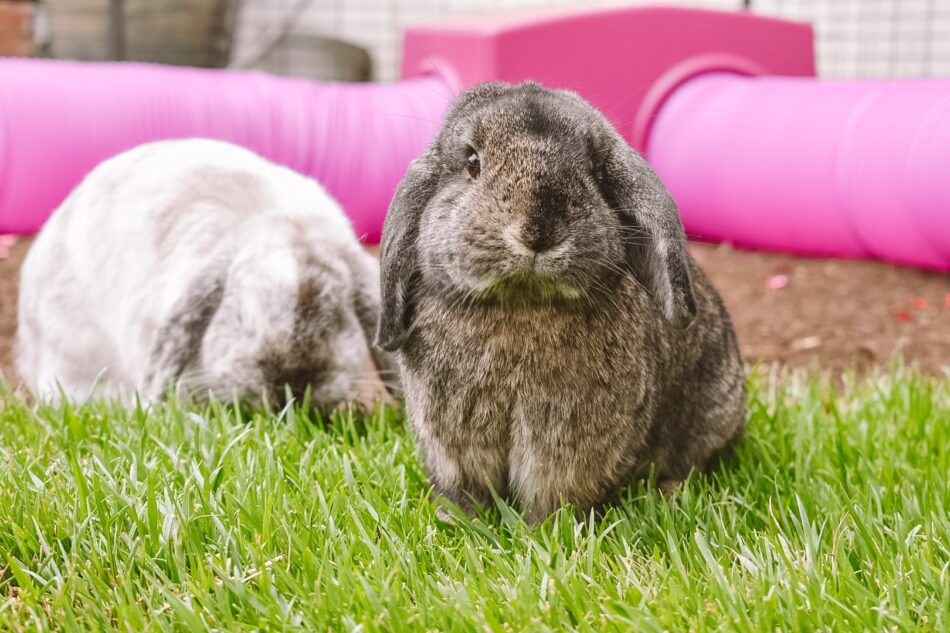
Rabbits use their ears to tune into what’s going on around them, and they can often be used as signals and are good indicators of how your rabbit is feeling. If the ears are stood up and are twitching, your rabbit is listening for something. If they are confident, it’s not dangerous, or not particularly interesting, they might only raise one ear. When they are relaxed, the ears will rest against the body, normally along the back.
The nose is also a good indicator of how the rabbit is feeling and how interested they are in what is going on around them. The faster the wiggling of the nose, the more attentive or agitated the rabbit is.
Happy rabbit body language
Fully closed eyes
Rabbits have very expressive eyes, and as they are prey animals, they will only fully close them when they are extremely comfortable and feel completely safe. So if you find your rabbits sleeping with their eyes closed, it is a clear sign that they feel at home.
The bunny flop
Your rabbit is rolling on its back with its legs in the air! This is a sign that the rabbit is really happy and relaxed, and the movement can sometimes be combined with a binky, which means that the bunny is running around and dancing madly, often jumping up in the air out of pure happiness.
Belly on the ground
The rabbit is lying on its belly with legs stretched out behind or maybe to the side of the body, with the head either up or resting on the ground. The rabbit is resting and is relaxed. The further the legs are stretched behind the body, the more comfortable the rabbit is.
Rabbit bonding body language
If the rabbit is grooming itself when you are around it can be seen as a sign that your floppy-eared friend trusts you. Rabbits are prey animals and will never take their eyes off what they think might be an intruder.
Circling
Sometimes the rabbit starts running around your feet when you’re in the run with him or her. This is a mating ritual, and a sign that your rabbit is in love with you.
Nose rubbing
Rabbits tend to rub their noses in a way to show affection, so if you find your rabbit rubbing their nose on you it’s a sign that they really like you. If they also throw in a little lick, you’re properly loved! Discover more about How Rabbits Show Love and Affection in our previous blog.
Territorial body language
Rubbing scent glands
If you have a new hutch or run, the rabbit will have to make sure that its territory is marked. Rabbits do this by rubbing scent glands on their necks against objects, spraying urine and scattering their droppings around the place. This behaviour normally stops once the rabbit feels at home.
Stressed rabbit body language
Eyes wide open combined with fluffed up fur and growling indicate fear. The rabbit’s inner eyelids might also protrude and become visible if he or she is uncomfortable.
Other common rabbit body language
The classic
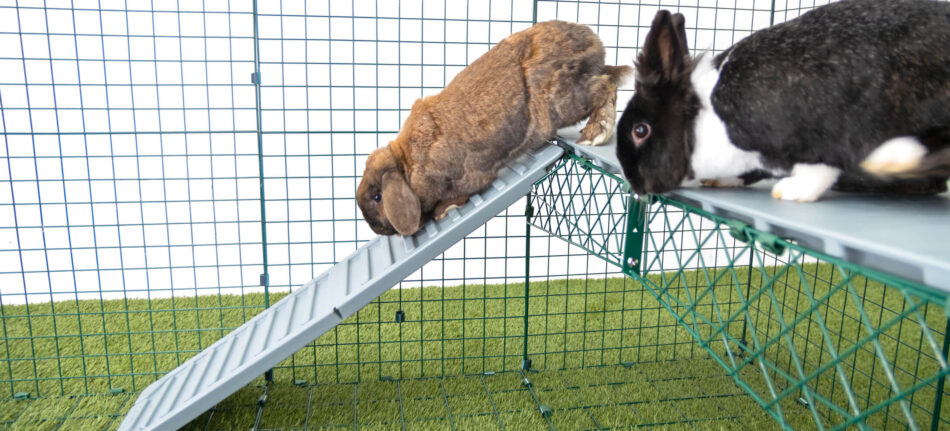
Rabbit is sat with weight on the bottom, forelegs straightened and ears standing up. Your rabbit is checking to see what’s going on (p.s. – the Zippi Rabbit Platforms for Zippi Runs provide bunnies with the perfect view of what’s happening in their backyard!).
Head on the ground
If the rabbit rests its head on the ground, he or she is showing submission, and might want to be petted or groomed. In different circumstances it can also mean that they want to be left alone, so make sure to take in other signals.
The ball
Rabbit is sat rolled up with legs tucked, normally with ears resting against the body. They are sleeping or napping. Rabbits can sleep with their eyes open but prefer to keep them closed if they feel comfortable and safe enough.
Nose nudge
This can either mean “leave me alone” or “you’re in my way”. It is however also a sign of trust, as you’re not seen as a threat to the rabbit.
Nest building
If you notice that your female rabbit starts pulling out hair from their fur and collects hay in a specific place in the hutch, it’s likely that she is building a nest. Rabbits sometimes have false pregnancies, but if you think that there is a possibility that your rabbit might be pregnant, it’s worth contacting your vet.
Sounds
Whilst rabbits mostly use body language to tell us how they’re feeling, our floppy-eared friends also communicate via sound. Rabbits are relatively quiet animals, but they do make a few noises that you’ll be able to differentiate from each other. Here are a few of them:
Growling
A short barking growl is a sign of aggression, and indicates that you, or something else close by, is threatening the rabbit.
Screaming
If the rabbit lets out loud, piercing screams they’re likely to be very scared or experiencing a lot of pain.
Low grunting and grinding of teeth
This is the rabbit equivalent of a cat’s purring and means that the rabbit is content and relaxed.
Loud teeth grinding and chattering
If the grinding however changes into louder teeth chattering, the rabbit is most likely in a lot of pain.
Thumping
Rabbits drum their feet against the ground when they are afraid or threatened or want to make others aware of what is going on. Thanks to the rabbit’s strong hind legs, this can be surprisingly loud.
Now you can read your rabbit, you can build an even better bond! Shop everything your pet needs in the Omlet Rabbit shop including Caddi Rabbit Treat Holders, Zippi Rabbit Platforms, and more! And if you do notice that your fluffy friend isn’t behaving in their normal manner, or you have any concerns about their body language or general health, do not hesitate to contact your vet.
 Free returns
  180-day guarantee
  10% off your first order