 Free returns
  180-day guarantee
  10% off your first order
 The Backyard Supermarket
There’s something deeply satisfying about collecting a warm egg from the nesting box, stepping into your garden and building a meal from ingredients you grew yourself.
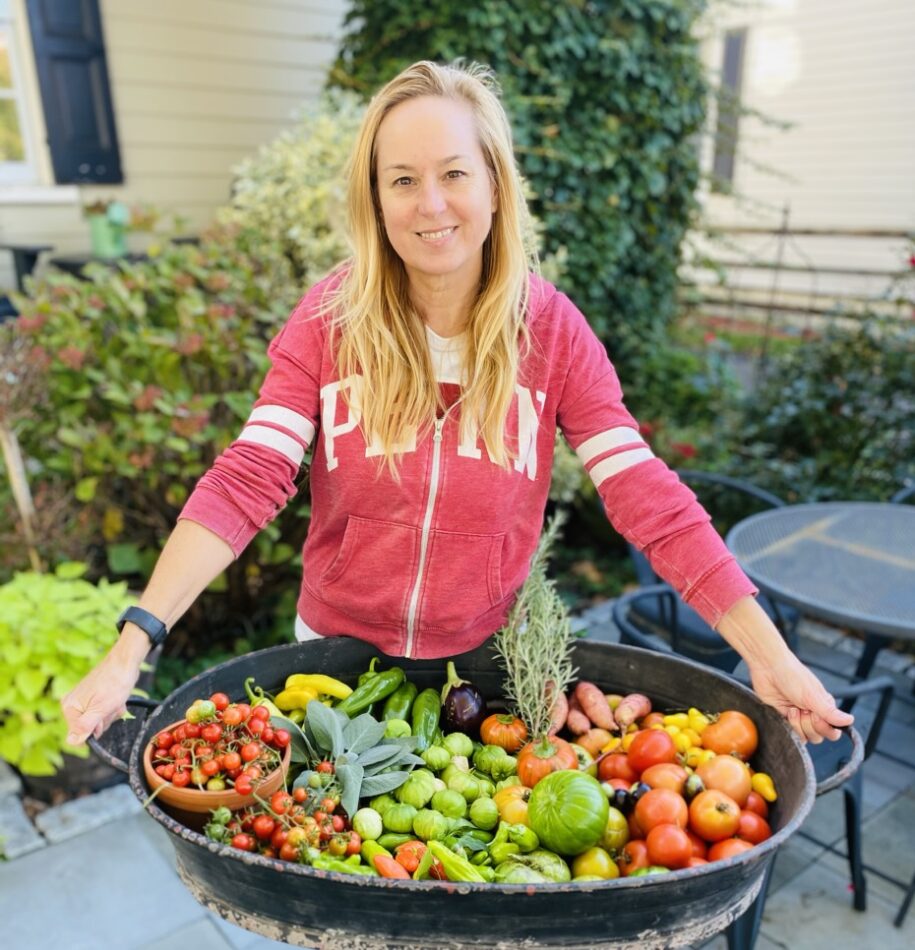
For Toni Farmer – sustainable agriculture professor, science-led gardening educator, and long-time chicken keeper – this isn’t a trend. It’s a return of how we used to do things.
“We need to stop thinking of chickens as the cheapest way to get eggs,” she says.“You’re not saving money. You’re investing in food security.”
Toni has a name for the way she lives: the backyard supermarket. It’s exactly what it sounds like. Out of spinach? Pick it. Need herbs? Snip them. Breakfast? The eggs are already there.
“Yesterday, I wanted spinach for dinner. We were out in the fridge, but I had it growing in the garden,” she explains. “I didn’t have to drive to the supermarket, waste petrol, or buy more than I needed.” Instead, she stepped outside, picked exactly what she needed and got on with her day. “It makes you wonder why we ever moved away from this.”
For Toni, this isn’t about perfection or self-sufficiency extremes. It’s about something simpler: eating well, wasting less and reconnecting with where food actually comes from.
It often starts with chickens
For many people, including Toni, chickens are the gateway. After reading about the horrors of the commercial egg industry, she made a snap decision. “I went to my husband and said, ‘We’re building a coop this weekend.” And that’s exactly what they did. Seventeen years later, she’s still keeping chickens – and still finds joy in the smallest moments. “There is nothing like walking into your garden and picking up warm eggs. It feels like a magic trick.” Her current flock? Named after queens from Game of Thrones.
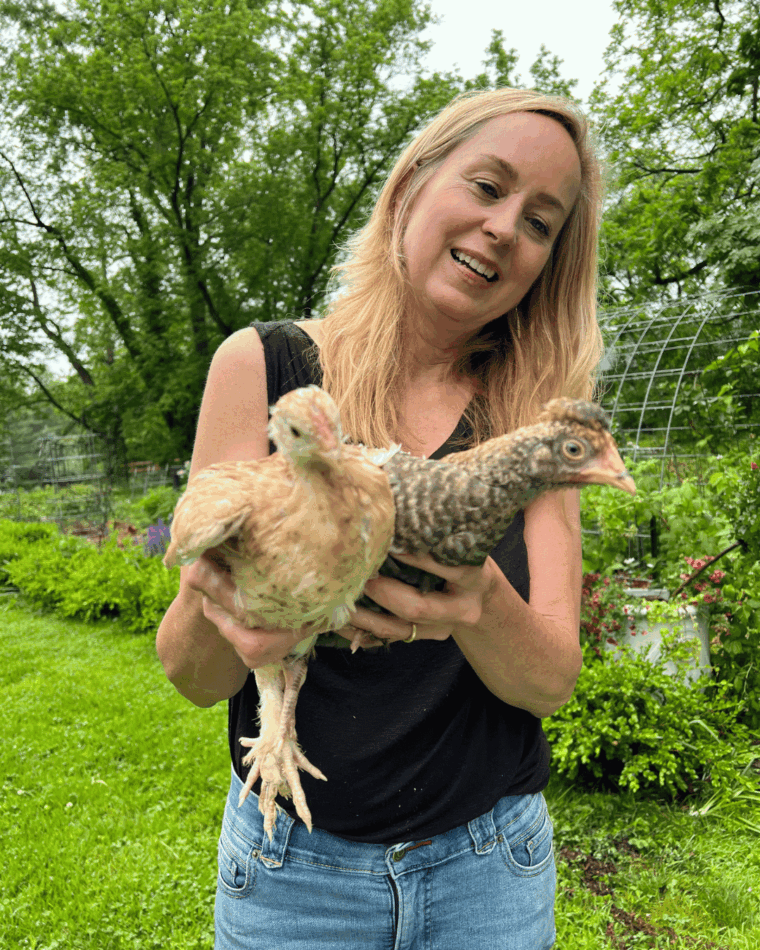
What makes Toni’s setup so powerful isn’t just the eggs or the veggies – it’s how everything connects.
Chicken bedding doesn’t go to waste – it becomes compost. That compost feeds the garden, and the garden feeds the household. “It’s a really good three step cycle,” she says. The result is less food waste, healthier soil and a system that largely sustains itself.
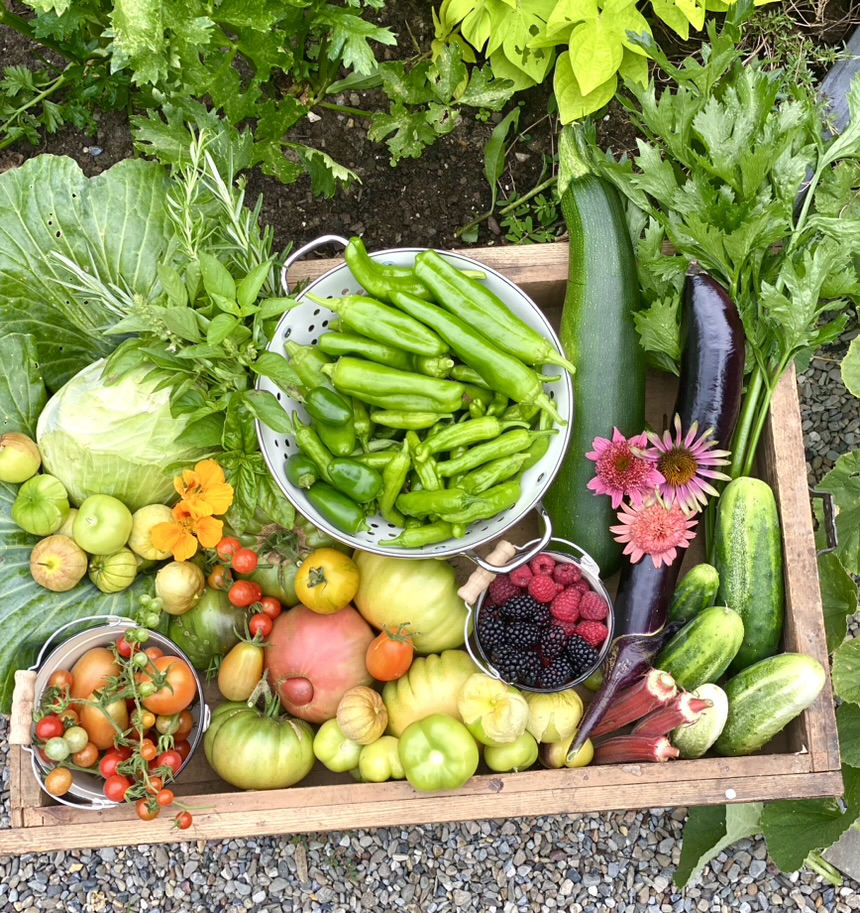
If the idea of growing your own food feels overwhelming, Toni’s advice is simple: “Just start.” Not with a full garden overhaul, not with perfection, but with one small bed. “Make it about 32 square feet. Grow what you usually buy – tomatoes, cucumbers, lettuce.” And accept that things will go wrong. “If your plants die or bugs eat everything, you have not failed. You’re just at the beginning of your learning curve.”
If you’re not sure where to begin, Toni recommends starting with:
- Peas – fast-growing, low maintenance and beginner friendly
- Raspberries – expensive to buy, surprisingly easy to grow and come back every year
“Within two years, you’ll have so many raspberries you can’t believe you ever paid for them.”
One of Toni’s most refreshing ideas is the community flock.
One of the biggest barriers to keeping chickens is people thinking they won’t suit their lifestyle. Holidays. Busy schedules. Costs. Her solution? Share the load. “One household keeps the coop. Others contribute to food or costs. Everyone shares the eggs. “If I told my neighbours I was going on holiday tomorrow, I’d get 20 offers to help,” she says. “Mostly because they want the eggs.”
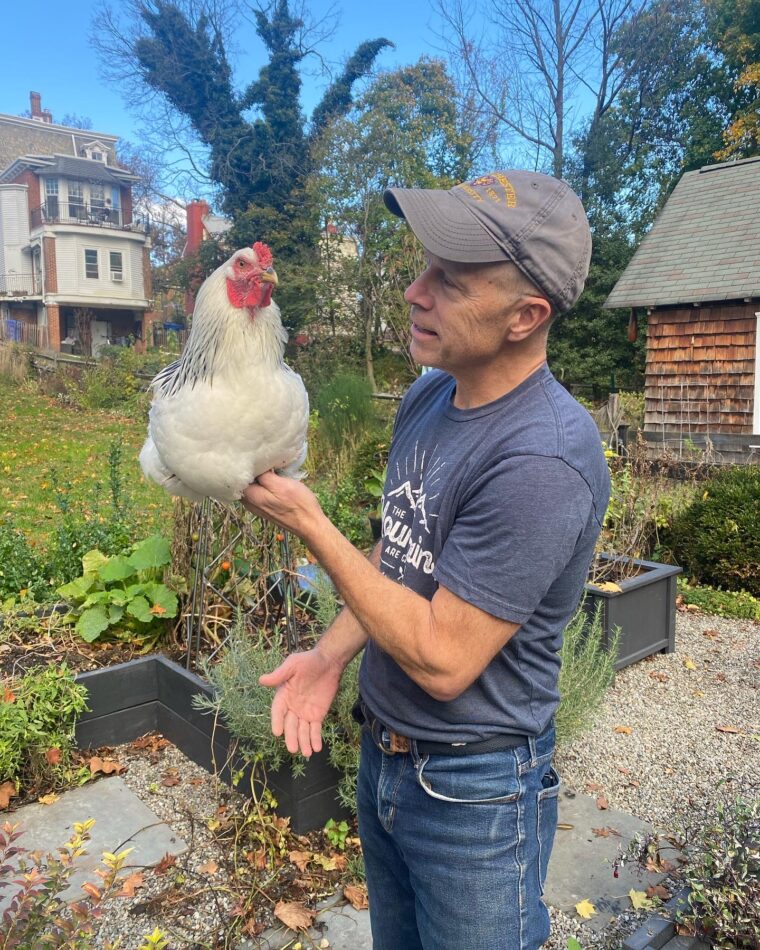
For Toni, this shift back to growing your own isn’t nostalgic – it’s necessary. “Climate change is coming for our food,” she says. “It’s probably time we learned these skills.”
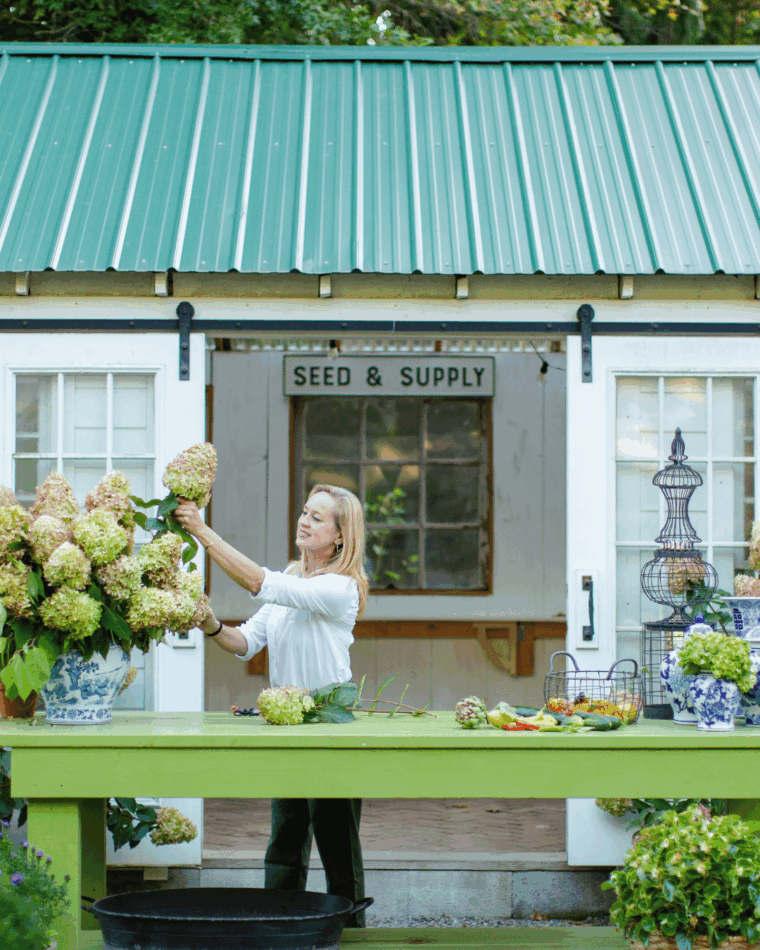
But beyond resilience, there’s something else. Joy. The joy of stepping outside instead of driving to the store. The joy of cooking with ingredients you grew yourself. The joy of knowing exactly where your food came from. And of course, the joy of a warm egg in your hand and spending quality time with your flock.
If there’s one message Toni wants people to take away, it’s this:
“Don’t give up after your first failures, give it time and within a few years, you’ll know so much you can start teaching other people.”
You can follow Toni on Instagram for gardening, chickens, and food growing content.
This entry was posted in Chickens