 Free returns
  180-day guarantee
  10% off your first order
 Is a Plastic Chicken Coop Better Than a Wooden One?
Plastic chicken coops and wooden chicken coops differ most in maintenance, cleaning, weather resistance, durability, and long-term cost, and for many backyard chicken keepers, plastic comes out ahead. With no rot to worry about, no repainting, no annual weatherproofing, and surfaces that wipe clean in minutes rather than hours of scrubbing, it’s easy to see why so many keepers make the switch.
That said, the best coop for your flock is the one that stays dry, secure, well-ventilated, and is easy to keep clean, regardless of what it’s made from. In this guide, we cover everything you need to know to make the right choice: how long each material lasts, which holds up better against rot and damp, how waterproofing compares, and what to look for when predator protection matters most.
Whether you’re setting up your first coop or thinking about switching from wood, here’s what to expect from both materials.
Plastic vs Wooden Chicken Coops: Which Is Better?
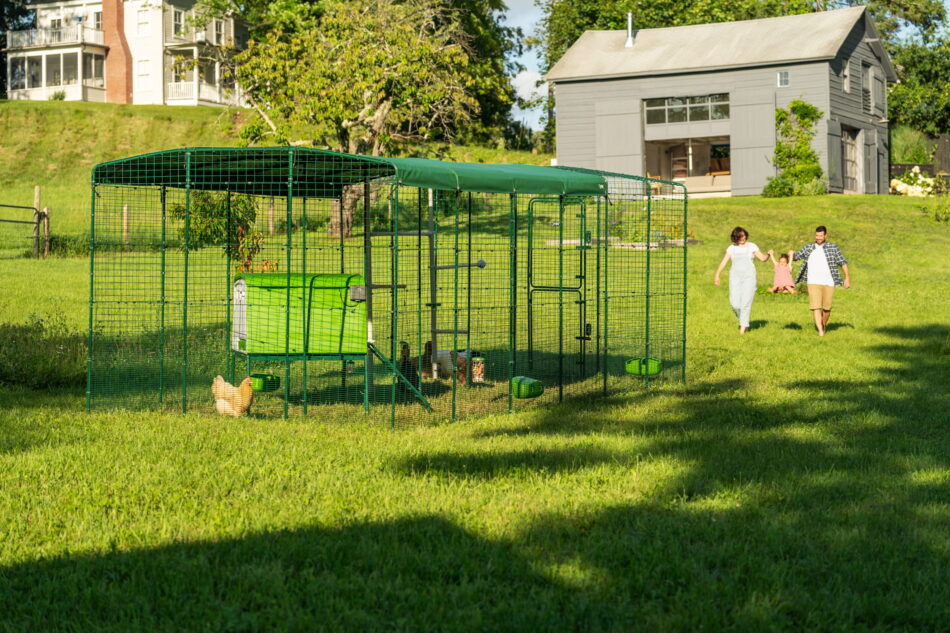
Plastic chicken coops and wooden chicken coops differ most in maintenance, cleaning, weather resistance, durability, insulation, and long-term cost. A plastic chicken coop is often better than a wooden one for keepers who want easier cleaning, less annual maintenance, and no risk of rot. Wooden coops offer a traditional appearance and can be customised, but they need regular maintenance to protect them from rain, damp, pests, and wear.
A dry, secure, well-ventilated coop matters more than material alone, but plastic reduces many of the most common wooden-coop problems.
Why Chicken Keepers Switch From Wooden to Plastic Chicken Coops
Chicken keepers most often switch from a wooden to a plastic chicken coop because of the same cluster of problems: rot, warped panels, leaking roofs, red mites, and cleaning that takes far longer than it should. Wooden coops demand repainting, sealing, roof repairs, and regular checks for damaged timber, and those tasks accumulate quickly over the life of the coop. Plastic chicken coops, by contrast, have smooth, non-porous surfaces with fewer cracks and joins for red mites to hide in, making them far easier to hose down, wipe clean, and disinfect. Because plastic doesn’t absorb damp, droppings, odours, or cleaning products the way ageing wood does, it also dries far quicker after rain or a wash-down.
Wooden Coops Can Be a Health Risk to Chickens
Damp or damaged wood can retain moisture, creating conditions that encourage mould, mildew, and bacteria, while cracks, joints, warped panels, and rough timber give red mites more places to hide, breed, and return after cleaning.
Red mite infestations can cause:
- Irritation, stress, and feather loss
- Anaemia and reduced egg production
- Illness in severe cases
Absorbent wood also holds droppings, dirt, and odours, making a thorough deep clean more difficult, and ageing timber can splinter or develop sharp edges that may injure chickens while they roost, nest, or move around. Leaks from worn roofing, damaged seals, or warped panels leave bedding damp, which increases the risk of respiratory problems, particularly during colder or wetter weather. A well-maintained wooden coop can still provide a safe home for chickens, but it demands regular inspections, cleaning, repairs, and weatherproofing to stay hygienic.
Is a Plastic Chicken Coop Worth the Extra Cost?
A plastic chicken coop can cost more upfront than an entry-level wooden coop, but long-term costs are often considerably lower. With no paint, wood sealant, replacement panels, or rot-related repairs to budget for, and wooden coops frequently needing replacement every 3 to 5 years in wetter climates, a well-made plastic coop that lasts many years with only routine cleaning represents strong value. Less time spent cleaning, repairing, and weatherproofing adds real value for busy chicken keepers too, and fewer replacements are better for both the wallet and the environment. For keepers prioritising hen health, hygiene, convenience, durability, and low maintenance, a plastic chicken coop is worth the extra upfront cost.
Can a Plastic Chicken Coop Be Moved?
Most plastic chicken coops are lighter than wooden coops of a similar size, making them easier to lift, carry, or reposition, and smaller models can typically be put on wheels and moved by one or two people without any tools or disassembly. Moving a coop to a fresh patch of ground gives chickens access to new grass, reduces the build-up of droppings in one area, and lowers the risk of bacteria accumulating in the soil beneath it. Unlike wooden coops that can warp or crack when frequently shifted, a plastic coop doesn’t need to be re-sealed, re-painted, or repaired after being moved, making it a far more practical choice for keepers who want to rotate their flock across different areas of the garden.

How Long Does a Chicken Coop Last?
Chicken coop lifespan depends on material quality, weather exposure, drainage, maintenance, pest damage, and predator pressure, with every component playing a role: roofs, floors, doors, locks, ventilation, mesh, joints, and lower wall panels all affect how long a coop stays a suitable home for your flock. A coop remains fit for purpose when it stays dry, secure, hygienic, structurally sound, and comfortable for chickens, and poor drainage or direct contact with damp ground can cut that lifespan significantly, particularly for wooden coops.
How Long Do Wooden Chicken Coops Last?
How long a wooden chicken coop lasts depends heavily on timber quality, weatherproofing, and maintenance. Basic wooden coops can deteriorate within a few years in wet or humid conditions, and even high-quality treated timber requires frequent painting, sealing, repairs, and inspections to last. Floors, roof edges, lower panels, joins, and screw holes tend to show damage first, worn down by the combination of damp ground, rain penetration, UV exposure, insect activity, and the wet-dry cycles that Australian backyards deliver across the seasons.
How Long Does a Plastic Chicken Coop Last Compared to Wood?
Plastic chicken coops don’t rot, absorb water, or suffer from wood-boring insects, which means a high-quality model can last for many years with nothing more than routine cleaning and secure placement. In wet climates and high-maintenance garden environments, plastic coops frequently outlast lower-quality wooden ones, and UV-resistant moulded plastic with durable fittings keeps them performing well outdoors over the long term. Removable parts also make repairs and component replacement far simpler than rebuilding damaged wooden panels.
Do Plastic Chicken Coops Warp or Crack?
High-quality plastic chicken coops are designed to handle regular outdoor temperature changes, rain, sun, and cleaning, and heavy-duty UV-resistant plastic is far less vulnerable to warping than thin or brittle alternatives. Severe impact, uneven ground, incorrect assembly, and extreme conditions can damage any coop material, but these risks are largely avoidable with proper setup.
Level ground and secure placement reduce pressure on panels, doors, and fittings, and are the most important steps you can take to protect a plastic coop’s structure long-term.
Do Chicken Coops Rot?
Chicken coops rot when wood absorbs moisture over long periods, and the effects go beyond surface damage. Rot weakens walls, floors, roofs, doors, perches, nest boxes, locks, and predator-proofing features, while damp wood becomes progressively harder to clean and more likely to hold odours, droppings, and pests. Rain, wet ground, leaking roofs, poor drainage, and damaged paintwork all contribute to the problem, and once rot takes hold in one area, it tends to spread.
Why Wooden Chicken Coops Can Rot, Warp, and Weaken
The deterioration of a wooden coop is rarely caused by a single event. It’s the accumulation of smaller problems over time:
- Rainwater entering through roof edges, joins, screw holes, splits, and damaged paintwork
- Damp ground beneath the coop floor
- Wood expansion and contraction during changing temperatures and humidity
- Repeated wet-dry cycles causing splitting, warping, loose joints, and cracked coatings
- Small damaged areas spreading into larger structural problems
The result is a coop that becomes progressively harder to clean, less secure, and more likely to harbour pests. Regular inspections can slow this process, but they can’t stop it entirely.
Are Chicken Coops Waterproof?
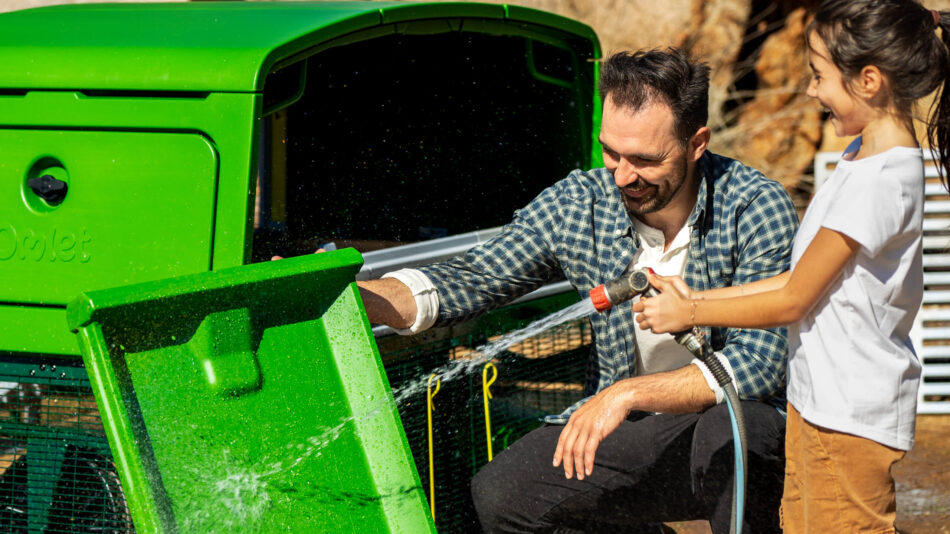
Most chicken coops are designed to be waterproof, but how well they perform depends on material, build quality, roof design, and how consistently they’re maintained. Plastic chicken coops are naturally water-resistant because the material doesn’t absorb moisture, whereas wooden coops can be waterproof but only with regular sealing, paint, and roof maintenance to prevent leaks and rot.
Roof gaps, damaged sealant, warped wood, poor drainage, and ground-level placement can make any chicken coop less waterproof over time.
What Makes a Waterproof Chicken Coop?
The key features to look for when evaluating waterproof performance of a wooden coop:
- A sloped roof that directs rain away from the coop
- Roof overhangs that protect wall panels, doors, and ventilation openings
- Raised flooring above damp or muddy ground
- Sealed panels, joins, access doors, and nest boxes
- Covered ventilation openings above chicken level
- Weather-resistant locks, hinges, and fittings
- Level, well-draining ground around the coop
Are Plastic Chicken Coops More Waterproof Than Wooden Coops?
Plastic chicken coops don’t absorb rainwater, and moulded plastic panels tend to have fewer vulnerable seams than wooden panels joined with nails or screws. Wooden coops can be waterproof, but their coatings and sealants need regular renewal to hold that protection in place. Roof design, drainage, ventilation, door fit, and access-hatch construction all affect waterproofing regardless of material, but the key difference with plastic is that its baseline protection doesn’t degrade the way painted or sealed wood does over time. A waterproof Eglu chicken coop has insulated, plastic panels with strong seals to keep rain out and the inside warm and dry.
What Is the Most Low-Maintenance Chicken Coop Material?
Plastic is the most low-maintenance chicken coop material for many backyard chicken keepers. Because it doesn’t need painting, staining, sealing, or replacement after rot damage, smooth surfaces simplify both routine cleaning and deep cleaning, with fewer hidden spots for dirt and pests to accumulate. Low-maintenance chicken coops still need bedding changes, dropping removal, safety checks, pest checks, and periodic disinfection, but all of these tasks are faster and easier with a plastic coop.
How Much Maintenance Does a Chicken Coop Need?
A chicken coop needs a few minutes of daily care, a more thorough weekly clean, and periodic deep cleaning and safety checks.
- Daily maintenance: fresh water, feed checks, egg collection, and removing any wet or heavily soiled bedding
- Weekly maintenance: removing droppings, replacing bedding where needed, and checking the coop for damp, pests, damage, or predator access points
- Deep cleaning: usually needed every few weeks, depending on flock size, bedding type, weather, and coop design
Plastic chicken coops need quick cleaning but little structural upkeep, whereas wooden chicken coops need all of the above plus additional painting, resealing, roof checks, rot repairs, and replacement of damaged timber.
Why Plastic Chicken Coops Are Easier to Clean and Maintain
The practical advantages of plastic become most obvious at cleaning time:
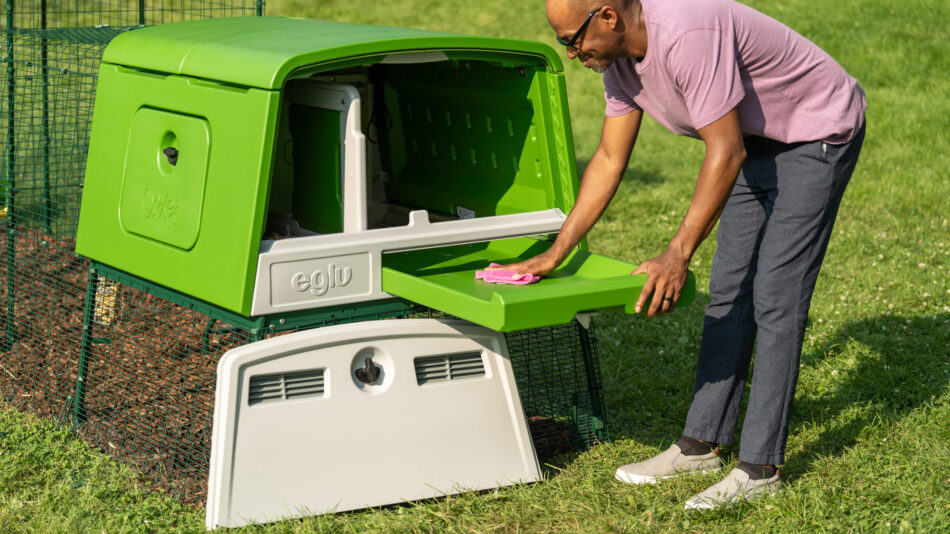
- Smooth plastic surfaces wipe clean and dry off quickly
- Hosing and disinfecting take less effort than cleaning porous or weathered wood
- Removable droppings trays and nest-box components support faster routine cleaning
- No annual painting, wood treatment, or rot repair
- Fewer cracks and crevices for dirt, moisture, and red mites
- Cleaner surfaces and easier access support more consistent coop hygiene
Are Plastic Chicken Coops Cooler Than Wooden Ones in Summer?
Chicken comfort in summer depends on ventilation, shade, insulation, and airflow, and chickens can struggle quickly when a coop traps heat. Wooden coops absorb warmth through their walls and roof across the day, then radiate it inward during the evening when chickens are trying to roost. Plastic chicken coops with twin-wall insulation handle Australian summer heat far more effectively, and with optimally positioned ventilation, like in the Eglu coops, there’s hot air is drawn out rather than trapped inside.
How Insulation Helps Keep Chickens Comfortable
Insulation slows rapid temperature changes inside the coop, which matters more than hitting a specific temperature target. In summer, the Eglu chicken coop’s twin-wall construction works like your own double-glazed windows to stop warm outside air from getting in while keeping the air inside cool. Good airflow carries heat and humidity away from roosting chickens, shaded positioning reduces heat absorption through the coop walls, and a well-insulated coop buffers against sharp temperature spikes during the hottest part of the day.
Why Gaps in Wooden Coops Cause Problems in Summer Too
Wood can shrink, split, warp, and develop gaps around doors, roofs, panels, and access hatches over time. In summer, these gaps allow hot air to pour in during the day and let in flies and insects that thrive in warm conditions. Warped panels and poor-fitting doors make it harder to control airflow strategically, giving you less control over the internal temperature when it matters most.
Regular checks and repairs are necessary to keep ageing wooden coops in good condition through summer, and that maintenance burden grows as the coop gets older.
A plastic coop with moulded, fitted panels maintains its shape consistently across seasons, giving you reliable ventilation control without gaps developing at joins and access points.
Best Predator-Proof Chicken Coop Features to Look For
No chicken coop is completely predator-proof, but a coop can be predator-resistant, with features that make it much harder for predators to break in, dig underneath, chew through weak areas, or reach chickens through gaps.
Key predator-resistant features to look for:
- Two step locks and secure access doors
- Small-gauge, heavy-duty steel mesh on the run and ventilation areas
- Secure roof panels with no gaps around joins, doors, or nest boxes
- Reinforced floors, corners, doors, and access hatches
- An anti-dig skirt, buried mesh, or secure flooring to stop foxes, quolls, and dogs
Daily checks for damaged mesh, loose fasteners, gaps, and signs of attempted entry are also essential, regardless of what material your coop is made from.
Why Plastic Coops Can Offer Better Predator Protection Than Wood
Moulded plastic panels avoid the weak points created by rotting, splitting, and softened wood, and integrated access points can reduce the gaps around doors and joins that tend to develop in ageing wooden coops. Plastic surfaces also retain their strength better than damp or decaying wood at ground level, where predator pressure is highest.
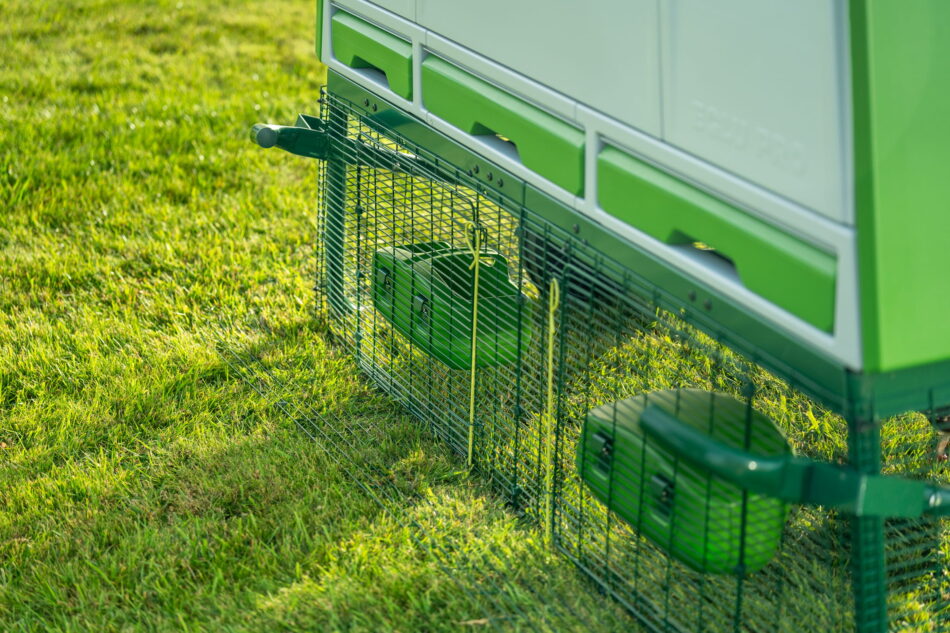
The Eglu Pro chicken coop also features two step locks which require a push and twist motion to open – easy for humans, hard for sneaky paws. Plus, the attached run comes with anti-tunnel skirting which can’t be dug through by predators like foxes.
Omlet Chicken Coop vs Wooden Coop
Omlet Eglu chicken coops and wooden coops differ in cleaning, insulation, maintenance, pest resistance, portability, weather protection, and long-term ownership costs. Where Eglu coops feature smooth plastic surfaces, removable components, twin-wall insulation, and secure access points, wooden coops offer a traditional appearance but require considerably more ongoing weatherproofing and repair work to maintain hygiene and security. For keepers who prioritise easy cleaning, low maintenance, durability, and practical day-to-day use, an Omlet chicken coop is a strong fit.
Is an Omlet Eglu Worth It Compared to a Wooden Coop?
An Omlet Eglu is worth it compared to a wooden coop for most backyard chicken keepers, particularly because of lower maintenance requirements and easier cleaning. Removable droppings trays, easy-clean surfaces, zero maintenance and insulated construction, and secure access points all support everyday chicken keeping without the usual upkeep burden of wooden coops.
There’s no repainting, wood sealing, rot repair, or replacement of damaged timber panels, and a higher upfront price is balanced by fewer repairs and replacements, less cleaning time, and a longer usable lifespan. The value is especially clear for keepers in wet climates, busy households, and backyards with persistent red mite or predator concerns.
Why Omlet Eglu Coops Are Built for Low-Maintenance Chicken Keeping
Every design decision in an Eglu coop is made with practical chicken keeping in mind:
- Smooth, wipe-clean and quick dry plastic surfaces
- Removable droppings trays and nest-box components
- Insulated double-wall construction with draught-free ventilation
- No wood treatment, painting, or rot-related repairs and maintenance
- Raised designs with accessible egg collection and cleaning areas
- Modular runs and accessories for changing flock sizes and garden layouts
What Are the Disadvantages of a Wooden Chicken Coop?
Wooden coops have some real drawbacks that are worth understanding before you buy:
- Regular painting, sealing, weatherproofing, and repairs
- Moisture absorption, odour retention, and a higher risk of rot
- Gaps, cracks, and joints that can harbour red mites and other pests
- Warped panels and weakened floors after repeated rain exposure
- Heavy structures that are difficult to move onto fresh ground
- Weakening around hinges, locks, mesh, roof fixings, and access doors
- Weak points make the coop and your chickens vulnerable to predators
- Ongoing maintenance costs beyond the initial purchase price
Final Verdict: Is Plastic Better Than Wood for Chicken Coops?
Plastic is better than wood for chicken keepers focused on low maintenance, easy cleaning, waterproof performance, long-term durability, and resistance to rot. Wood remains an option for keepers who prefer a traditional appearance and are genuinely prepared for regular upkeep, but the practical advantages of plastic are hard to argue with.
A plastic chicken coop is often the stronger long-term choice in wet climates and for first-time chicken keepers, and the best coop regardless of material stays dry, secure, well-ventilated, easy to clean, predator-resistant, and appropriately sized for the flock. Omlet Eglu coops remove many of the most common problems associated with wooden chicken coops, including rot, difficult cleaning, red mite hiding places, and ongoing weatherproofing.
Omlet and Your Flock
When it comes to choosing between plastic and wooden chicken coops, we’ve done the hard work so you don’t have to. Every Eglu chicken coop is built from durable, easy-clean plastic with twin-wall insulation, smooth surfaces that won’t harbour red mites, and secure access points designed to stand up to determined predators. No rot, no repainting, no replacements, just a low-maintenance home your flock will love for years to come.
Pair your Eglu with a Walk In Chicken Run and a Smart Automatic Chicken Coop Door and you’ve got a setup that works as hard as you do.
This entry was posted in Chickens