 Free returns
  180-day guarantee
  10% off your first order
 The one thing your chicken coop needs all year round
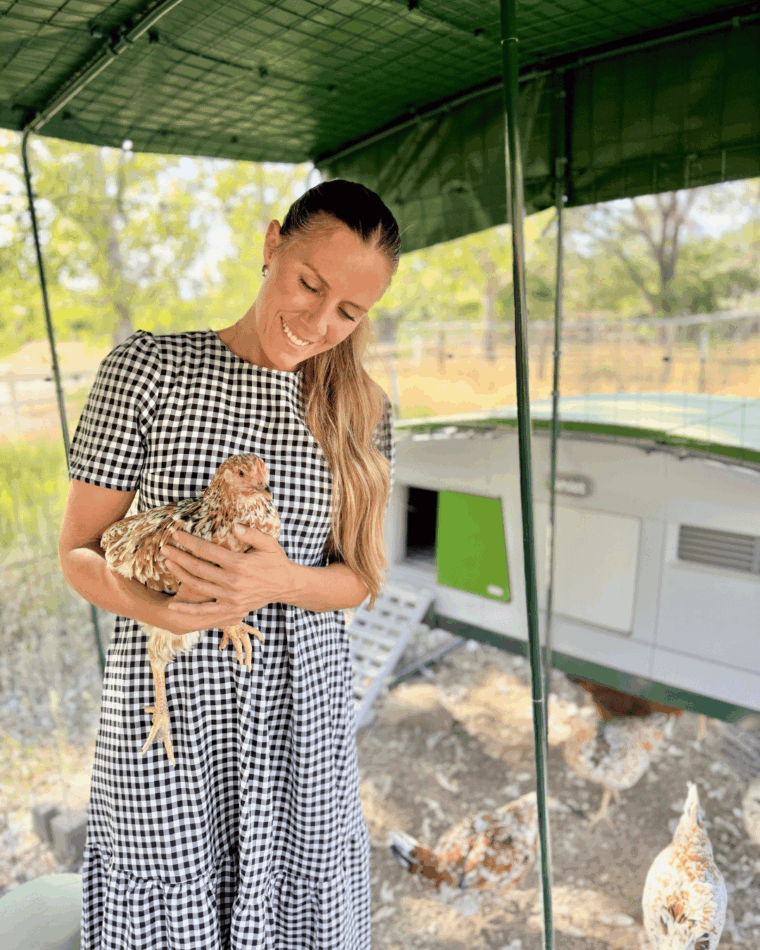
When the weather heats up, most chicken keepers instinctively think about shade, frozen treats and keeping water cool. Come winter, the focus shifts to insulation and keeping the cold at bay.
But according to Lyndsey Gaskins, founder of The Chicken School, one thing deserves your attention no matter the season: ventilation. “Interestingly, ventilation is one of the biggest priorities in both seasons,” says Lyndsey. “Just for different reasons.”
It’s a simple point, but one that’s often overlooked. Many new chicken keepers think ventilation is only important in summer, or worry that letting air into the coop during winter will make their flock cold. In reality, good airflow plays a vital role in keeping chickens healthy all year long.
Summer: Keeping cool when temperatures soar
Living in Utah, Lyndsey regularly experiences summer temperatures climbing into the upper 90s and even over 100°F (38°C). While the dry climate helps a little, she says heat is still one of the biggest challenges chicken keepers face.
“Healthy chickens handle cold remarkably well when they’re dry and protected from wind,” she explains. “Heat is much harder because chickens don’t sweat. They rely on panting and releasing heat through their combs and wattles to cool themselves down.”
Without adequate airflow, heat quickly builds inside a coop, making it much harder for chickens to regulate their body temperature. That’s why Lyndsey says ventilation works hand in hand with shade and fresh, cool water during the hottest months. “I’d much rather prepare for a heatwave than react to one.” She also encourages owners to watch their flock closely, rather than relying solely on the weather forecast.
“Panting is usually the first thing I notice. I’ll also watch for wings held away from their bodies, reduced activity, hanging out in the shade all day or less interest in eating. One thing I’ve learned is that chickens are pretty good at telling you when they’re uncomfortable – you just have to know what you’re looking for.”
The Omlet Insulated Chicken Waterer has also become part of Lyndsey’s year-round routine. “Keeping water cooler for longer has been one of the biggest benefits,” she says. “On really hot days, chickens drink a surprising amount, so having clean, fresh water available all day is essential.” She also appreciates that it helps keep water cleaner for longer, meaning less time worrying about debris or algae building up in the heat.
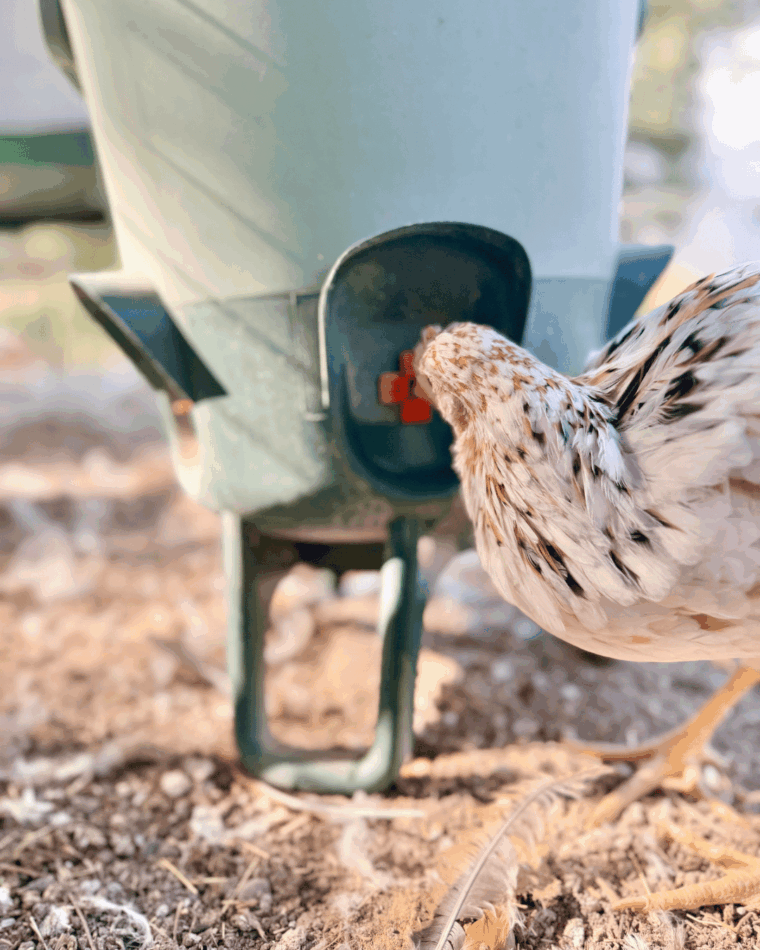

Winter: Fresh air still matters
As temperatures begin to fall, it’s tempting to close everything up to keep the coop warm. But Lyndsey says that’s one of the biggest misconceptions she sees. In winter, ventilation serves a different purpose. In winter, ventilation isn’t about cooling chickens down. It’s about removing moisture. As chickens breathe overnight, they release warm, damp air into the coop. Without fresh airflow, that moisture builds up, creating damp conditions that can lead to discomfort and health issues.
Instead of sealing the coop completely, Lyndsey recommends focusing on blocking harsh winds while still allowing fresh air to circulate above the birds. “Winter is all about keeping them dry and providing good ventilation while blocking harsh winds.”
A setup that works, whatever the weather
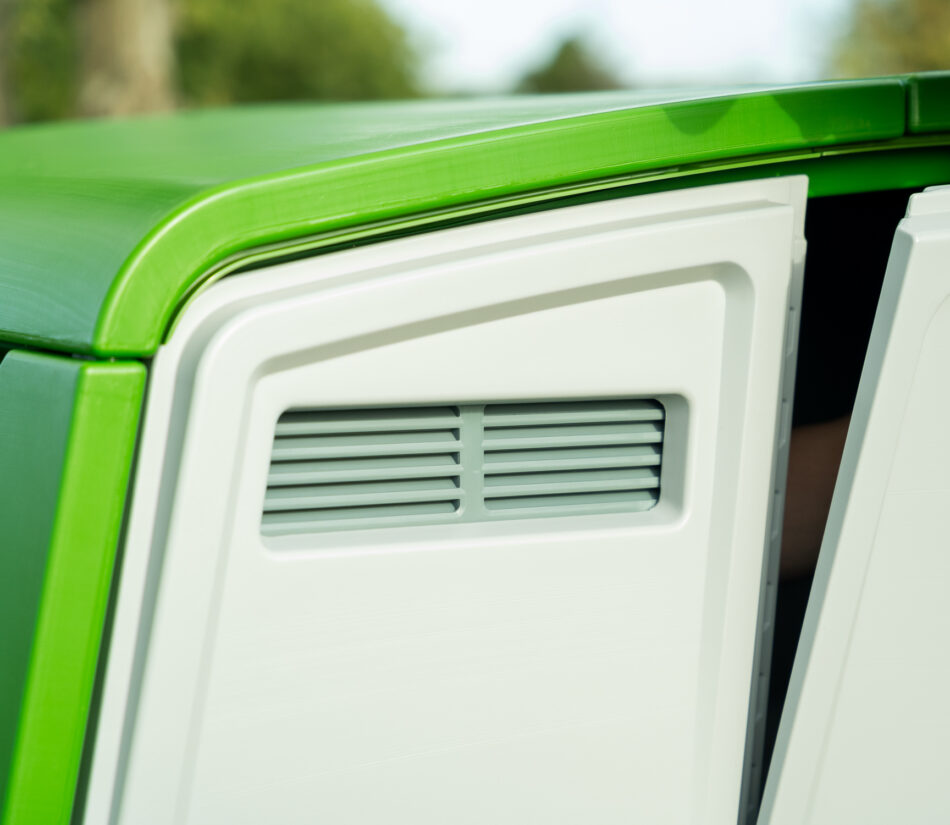
Having used the Omlet Eglu Pro chicken coop through both Utah’s hot summers and freezing winters, Lyndsey has been impressed by how it helps her flock stay comfortable year-round. “One thing I’ve appreciated is how well the Eglu coop promotes airflow while still giving the flock a secure place to rest.”
She has also noticed changes in how her chickens use the coop throughout the day. “They seem more comfortable throughout the day and don’t crowd together looking for cooler spots nearly as much. They still spend plenty of time outside scratching around, but they always have a comfortable place to retreat to when they need it.”
For Lyndsey, it’s that year-round consistency that gives her peace of mind. “As someone who worries about my chickens probably more than I should, it’s reassuring knowing they have that extra layer of protection from both heat and cold.”
Think ahead, not behind
One of the biggest lessons Lyndsey teaches through The Chicken School is to prepare before the seasons change, not after.
As summer draws to a close, she recommends giving your coop a thorough check, making sure ventilation is working properly, inspecting waterers and feeders, and testing any automatic equipment while the weather is still mild. It’s also the perfect time to think ahead to winter. While the Omlet Insulated Chicken Waterer has helped keep water cooler during Utah’s hot summers, its insulated design also helps slow water from freezing as temperatures begin to drop, making it a useful addition whatever the season.
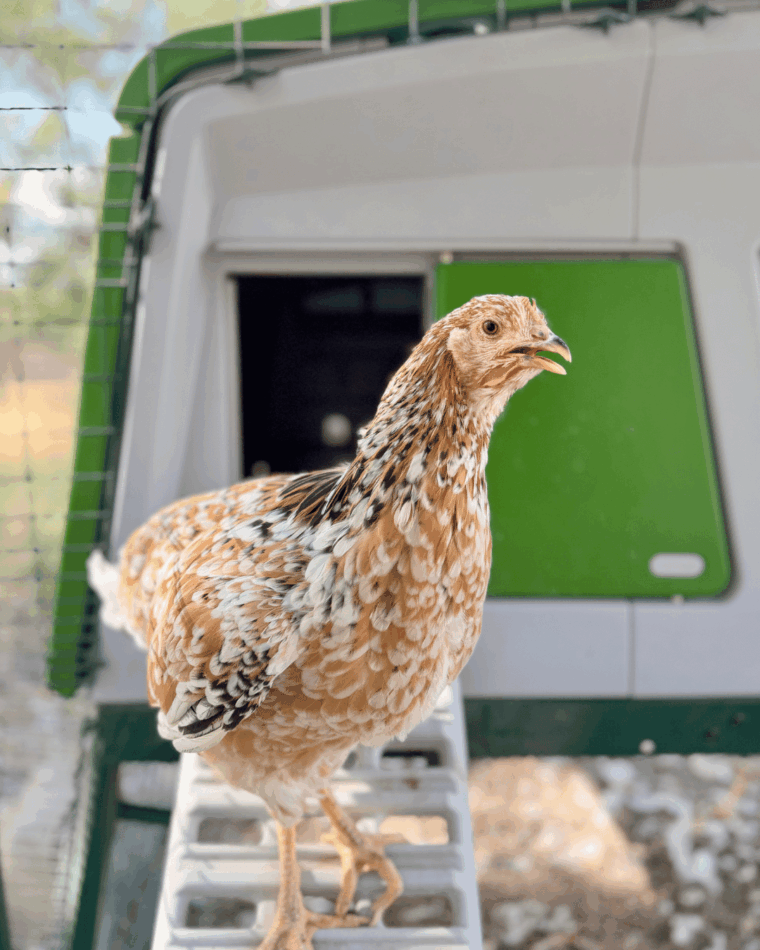
“My biggest advice is simple: don’t wait for the weather to change before you prepare. A little planning makes seasonal transitions much easier on both you and your chickens.”
Whether you’re heading into a late-summer heatwave or preparing for the cooler months ahead, one thing remains the same. Good ventilation isn’t just a seasonal feature – it’s one of the foundations of a healthy, happy flock all year round.
This entry was posted in Uncategorised