 Free returns
  180-day guarantee
  10% off your first order
 Chicken Checklist: What you need for backyard chickens
Thinking about keeping backyard chickens for the first time? You’re not alone. With so much information out there, it can feel overwhelming to know where to start. That’s why we’ve created this easy-to-follow chicken checklist, designed to help you confidently set up your flock. We’ll cover everything you need to know about choosing the right chicken coop, run, enrichment, weatherproofing, feed, bedding, and cleaning. Let’s make your chicken-keeping journey simple and enjoyable.

Chicken Coops for Beginners
Your chicken coop is the heart of your flock’s home. The right coop depends on how many chickens you plan to keep, but there are a few essentials every beginner should look for:
- Easy to clean
- Durable and weatherproof
- Predator-resistant
Plastic chicken coops are a fantastic choice for beginners. They’re simple to clean, don’t harbour red mites like wooden coops, and offer excellent weather protection. Wooden coops, while traditional, require frequent maintenance, are not waterproof, and often become breeding grounds for mites.
If you’re just starting out, the Omlet Eglu is ideal. The Eglu Go and Eglu Go UP are perfect for 2 to 4 chickens, making them great for small flocks. These coops can be cleaned in just five minutes, keep your hens safe, warm, and dry, and require zero maintenance. If you think you might want to expand your flock in the future (and trust us, “chicken math” is real), consider the Eglu Cube, which houses up to 6 large hens, or the Eglu Pro, which can accommodate up to 10.
All Omlet coops come with pull-out droppings trays, nesting areas, roosting bars, and a back door for easy access. The Eglu Cube and Eglu Pro also feature separate Egg-port doors for even easier daily egg collection.
Chicken Coop Runs
A secure chicken run is just as important as the coop itself. Your run should be made from strong materials to keep predators out and provide enough space for your chickens to roam.
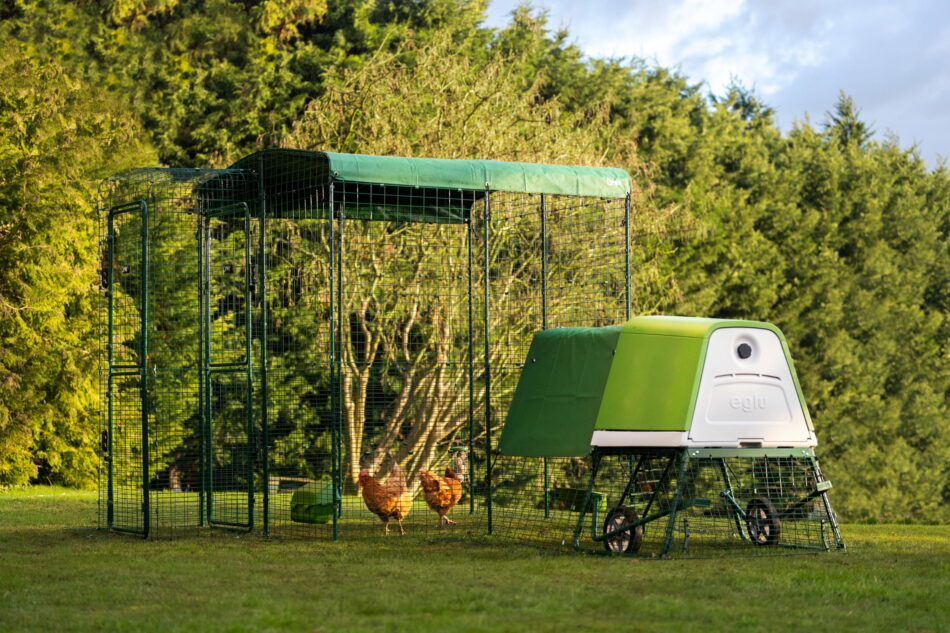
Omlet’s attachable coop runs are designed with anti-tunnel skirts to stop predators from digging in, and strong steel mesh that prevents break-ins. These runs are extendable, so you can add more space as your flock grows.
For even more room, consider a walk-in chicken run. These runs are tall enough for you to enter, making it easy to spend time with your chickens and clean the space. You can place your Eglu or a wooden coop inside, or attach your Eglu to the outside.
If you want your chickens to free-range but still keep them in a specific area, chicken fencing is a great solution. While not predator-proof, it helps protect your garden and keeps chickens where you want them. Use fencing when you’re at home to supervise your flock.
Chicken Enrichment
Chickens are curious and intelligent creatures that need enrichment to stay happy and healthy. Without stimulation, they can become bored or develop unwanted behaviours.
Here are some enrichment ideas for your flock:
- Perches: Chickens love to roost and feel safe when elevated. Add perches at different heights in the run.
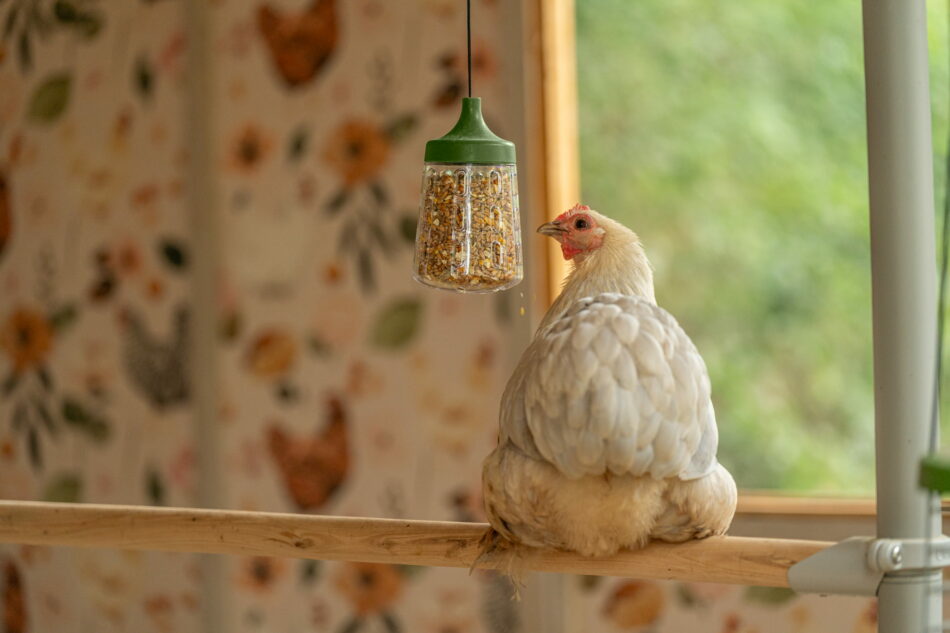
- Peck toys: These toys slowly release treats as chickens peck, keeping them entertained and the run tidy.
- PoleTree chicken perch: For larger runs, a PoleTree offers perches all the way up to the roof, creating a fun playground.
- Hay bales: Toss a bale of hay into the run and watch your chickens forage for bugs and pick it apart.
- Chicken swing: Give your flock a new perspective and a fun place to perch.
Enrichment not only keeps your chickens busy but also encourages natural behaviours and reduces stress.
How to Weatherproof a Chicken Coop
Protecting your chickens from the elements is essential for their health. Moisture inside the coop can lead to respiratory problems, so choosing a weatherproof coop like an Eglu is important. Wooden coops tend to absorb moisture and can start to leak over time.
To keep your chickens comfortable year-round:
- Use run covers to shield your flock from snow, wind, and rain, allowing them to explore outside in any weather.
- In winter, chickens huddle together for warmth. The insulation in Eglu coops helps retain body heat, but you can add an extreme temperature blanket for extra protection during freezing temperatures or if you have a small flock.
- In spring and summer, provide shade by adding covers over the run to block the sun and keep your chickens cool.
What Chicken Feed Is Best?
Feeding your chickens the right diet is key to their health and egg production. Laying hens need layer pellets, which contain the protein and nutrients they require.
- Offer about 120g of pellets per chicken per day.
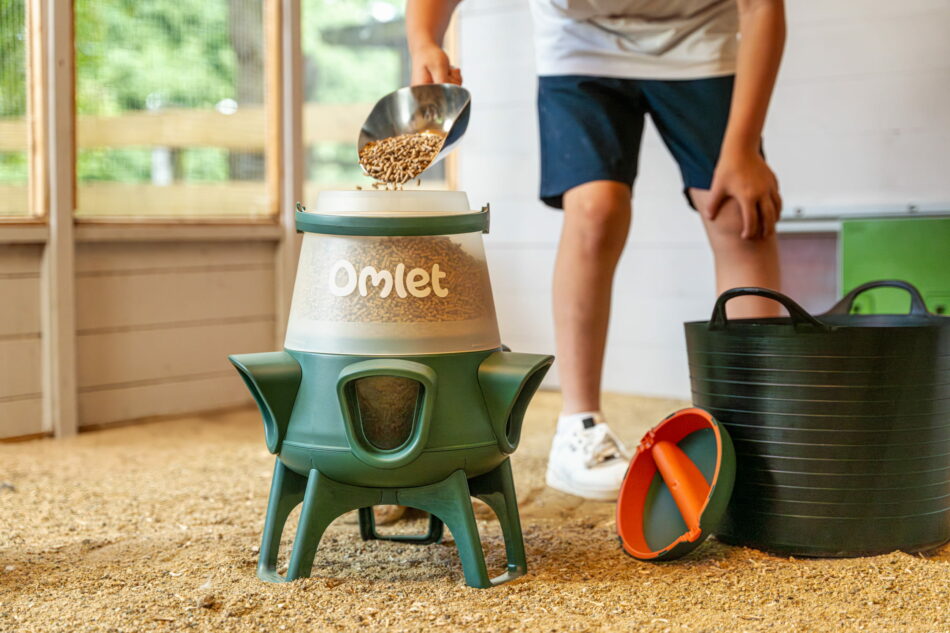
- Use a feeder with a viewing window so you can easily monitor feed levels and ensure your chickens always have access to food.
- Chickens are messy eaters so use a no spill chicken feeder to keep your run clean and prevent waste.
- Provide poultry grit to aid digestion, as chickens don’t have teeth.
- Treats like corn are fine in moderation but are high in fat.
- Offer fruit and green veggies sparingly so your chickens don’t fill up on these instead of pellets.
- Water is essential. Each chicken should drink about a pint of water daily. Check and refill their waterer regularly. In winter, check for ice several times a day. In summer, make sure the water stays cool, or use an insulated waterer to keep water at the right temperature all year round.
What Is the Best Chicken Bedding?
Choosing the right bedding helps keep your chickens comfortable and healthy.
- Dust-extracted pine wood shavings are popular for their absorbency and insulation.
- Chopped straw is another comfortable option.
- Avoid hay, as it can become mouldy.
- Avoid cedar shavings, which are toxic to chickens.
- Steer clear of sawdust and fine wood dust, which can harm respiratory health.
- Add extra bedding in winter to help your flock stay warm.
How Do You Clean a Chicken Coop?
Regular cleaning keeps your chickens healthy and your coop fresh.
- Empty out droppings, spot clean the nesting area, and brush off roosting bars at least once a week.
- Do a deep clean once a month: scrub and wipe down every surface, and let the coop dry completely before adding fresh bedding. Plastic coops wipe down and dry off much quicker than wooden coops, making them an attractive choice for ease and speed.
- Use a natural cleaner like a white vinegar and water solution, or a chicken-safe disinfectant.
- Scrub brushes are helpful for loosening stubborn dirt and droppings.
- Clean feeders and waterers weekly or each time you refill them. Some waterers can fill with dirt quickly and need cleaning every day. Opt for a stay clean chicken waterer so you don’t have to worry.
Keeping up with cleaning not only benefits your chickens but also makes your chicken-keeping experience more enjoyable.
Summary: Key Takeaways
- Choose an easy-to-clean, weatherproof chicken coop, such as a plastic Eglu Chicken Coop.
- Invest in a strong, predator-resistant chicken run, like the Omlet steel Walk in Run.
- Provide plenty of enrichment toys, including peck toys and perches.
- Use run covers to protect your flock from sun, snow, wind, and rain.
- Select a no waste chicken feeder with a viewing window to monitor feed levels.
- Opt for an insulated chicken waterer to keep water at the right temperature year-round.
- Use dust-extracted pine wood shavings or chopped straw for bedding.
- Stock up on chicken-safe cleaning supplies to keep the coop fresh.
Omlet and Your Flock
At Omlet, we have everything you need to start your chicken-keeping journey, from coops and runs to enrichment toys and cleaning supplies. Our range of accessories will keep your chickens happy and healthy, and we’re here to support you at every stage of your chicken-keeping adventure.
No comments yet - Leave a comment
This entry was posted in Chickens on March 10th, 2019 by bethanbotterill